
Last updated November 22, 2026
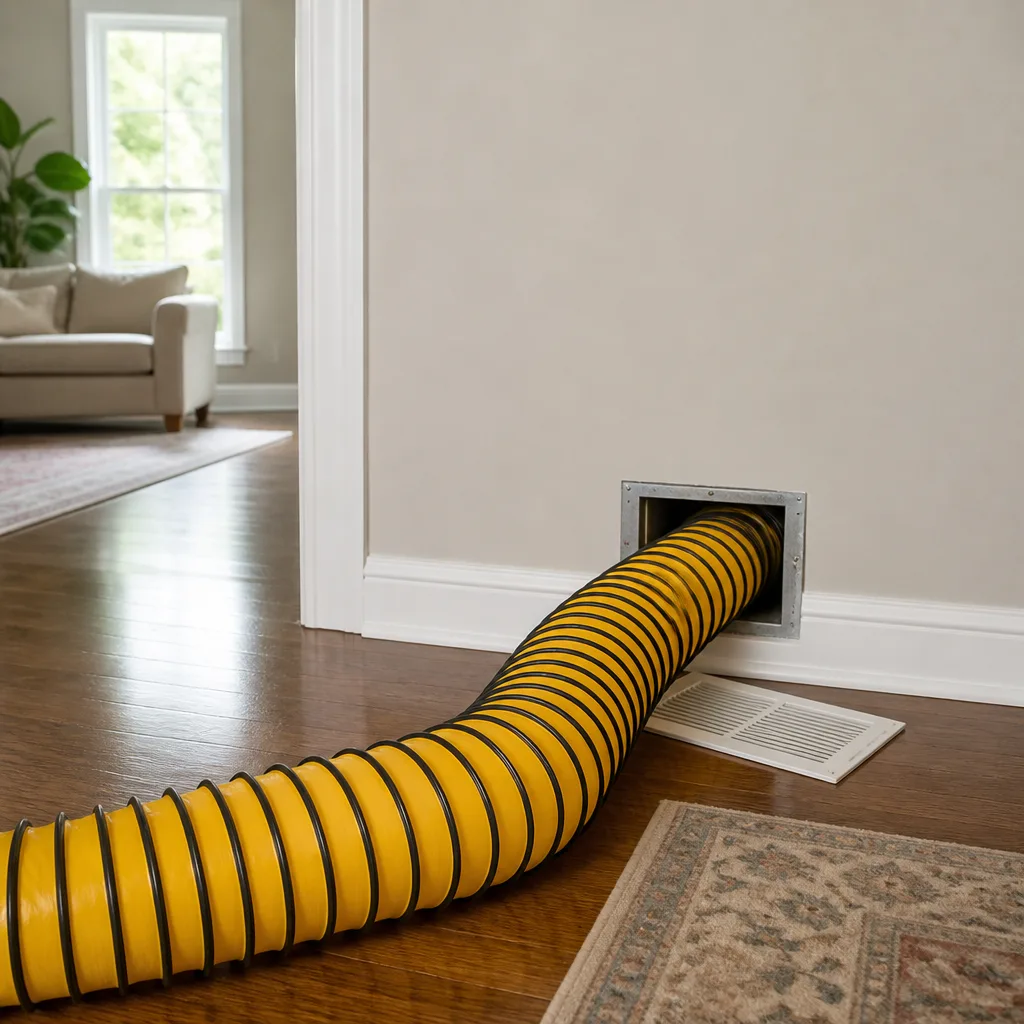 Whole-home duct cleaning
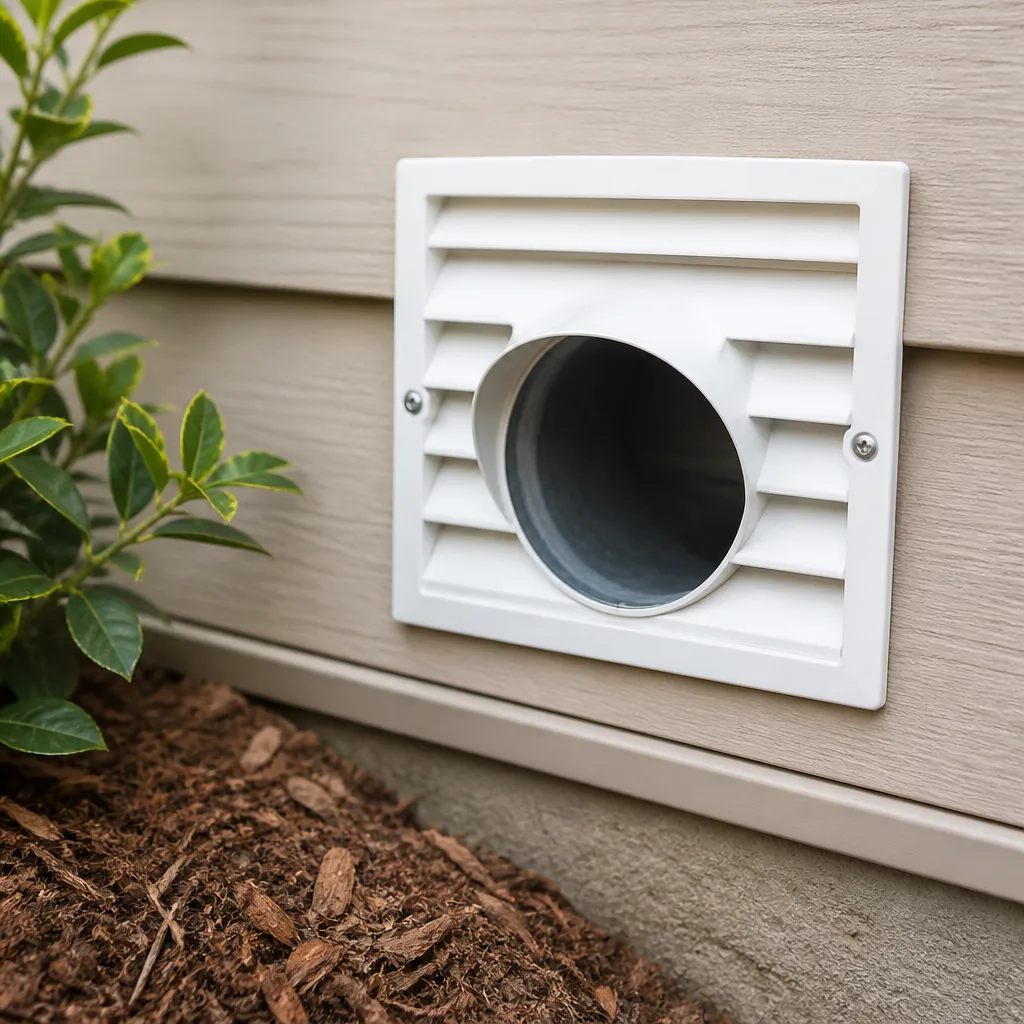 Dryer vent cleaning
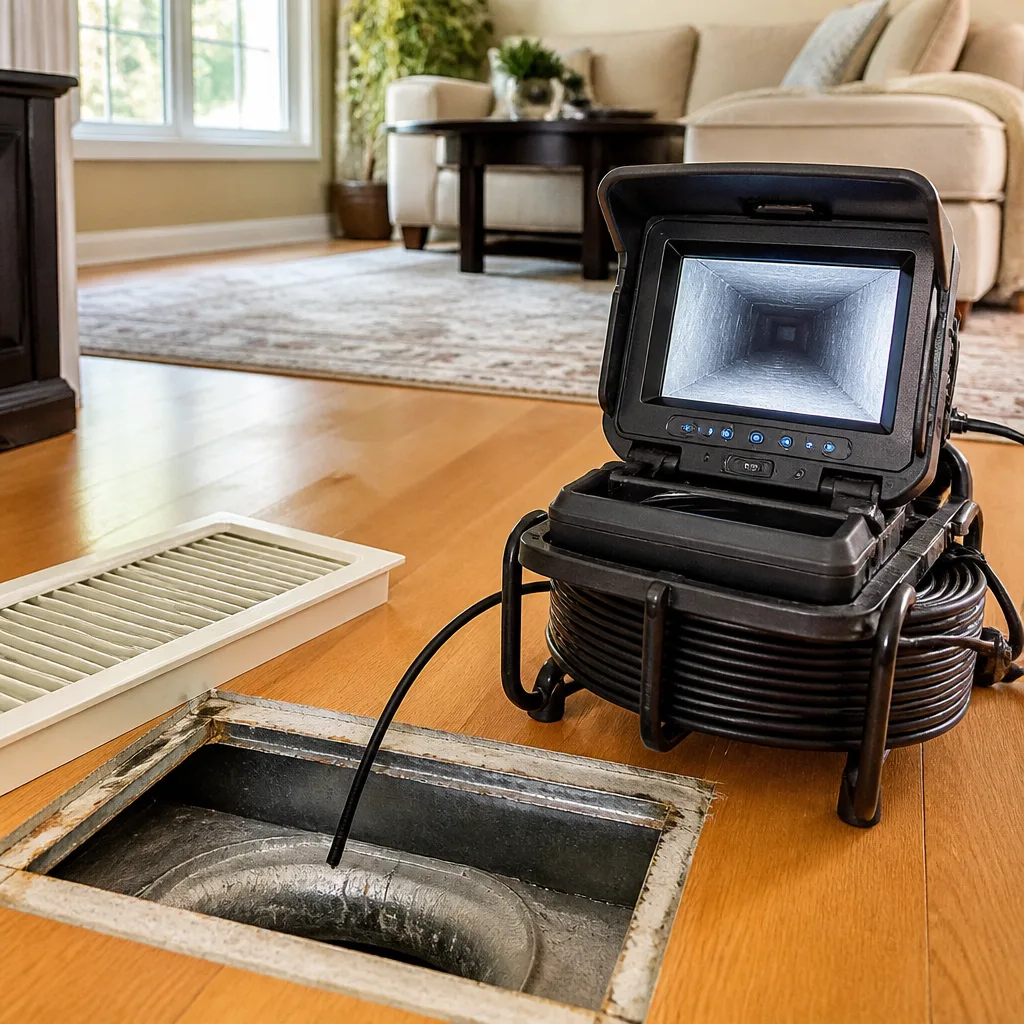 Camera inspection
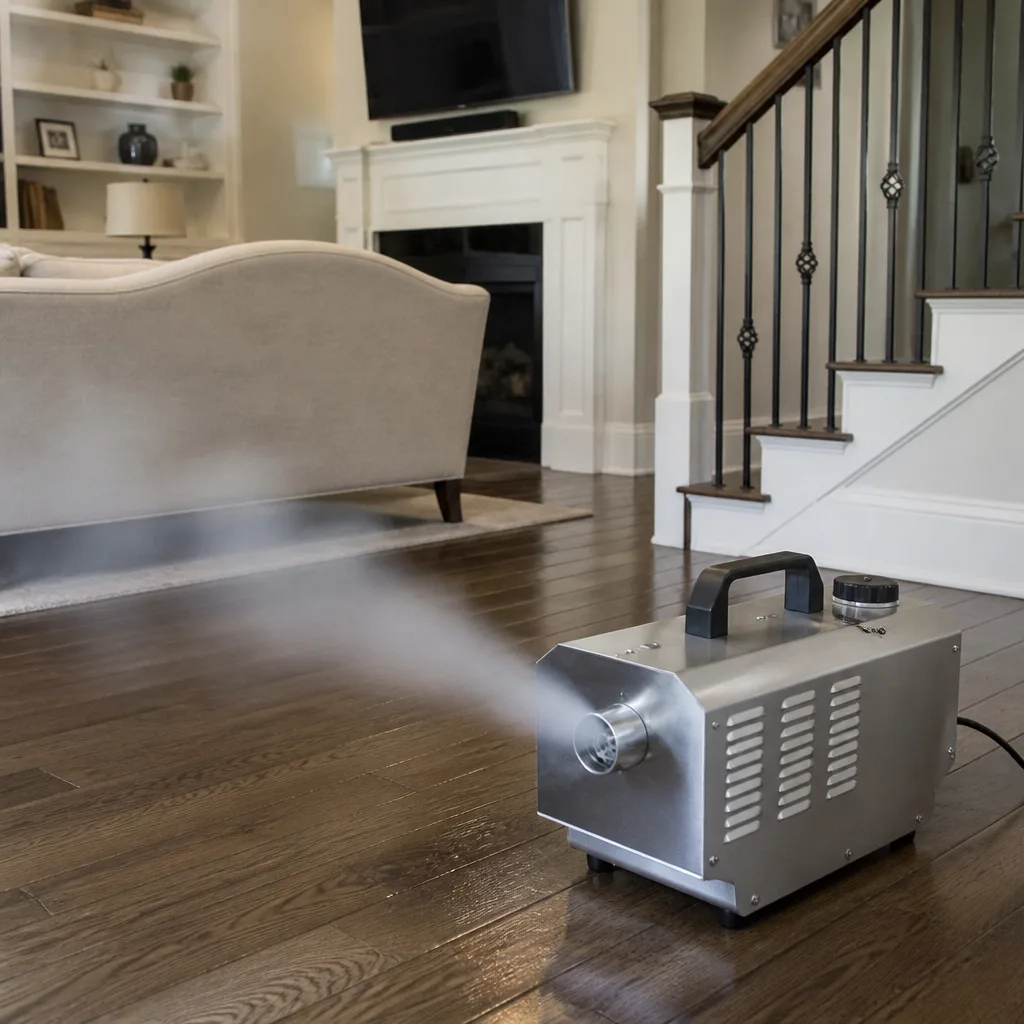 Sanitizing & deodorizing
Whole-system duct and dryer vent check with before-and-after photos - you see exactly what came out of your vents
That "$99 whole-house special" is a bait ad - the real number appears once they are in your hallway, or the "clean" is a shop-vac at the register. We photograph the inside of your ducts before and after instead.
Seasonal Air Duct Cleaning Care for South Ozone Park: Year-Round Homeowner’s Guide
The worst time to find out your ducts are moving mold spores around is August. By then your AC has spent two months pushing humid, contaminated air through a system nobody prepped for cooling season, and every register in the house is part of the problem. Most South Ozone Park homeowners think about duct cleaning once, usually after a bad allergy week, then forget it. That single-shot approach misses the point: this is a four-season climate and your ducts hit a different stress point in January than they do in July. In this guide we’ll walk through what actually accumulates and when, why October matters more than spring, how to handle summer humidity in flex duct, and how to keep a rolling log that tells you when service is genuinely due.
Quick Answer
Air ducts in South Ozone Park should be assessed twice a year, at the two season transitions: in October before the heat comes on, and in April before the first AC run. October is the highest-priority cleaning window because summer’s dormant heat ducts have collected dust and debris that the first furnace cycle blows back into living space. Between those checkpoints, moisture control in summer and air sealing in winter do most of the long-term work.
Styles & brands we work with
- Whole-home duct cleaning
- Dryer vent cleaning
- Camera inspection
- Sanitizing & deodorizing
Table of Contents
- Why Seasonal Duct Care Matters in South Ozone Park
- Pre-Heating Season (October): The Highest-Priority Cleaning Window
- Pre-Cooling Season (April): Before the First AC Run
- Summer Humidity Management in Flex Duct Runs
- Winter: Air Sealing and Duct Sealing Together
- Building a Rolling 12-Month Log
- How Often Should You Actually Clean?
- Common Mistakes to Avoid
- When to Call a Professional
Why Seasonal Duct Care Matters in South Ozone Park
South Ozone Park sits in a genuine four-season climate. Summer runs humid, winter runs cold, and the transitions between them are short enough that homeowners often miss the window where service makes the most difference. Your HVAC system doesn’t care about the calendar, but the contaminants inside it do. Dust settles differently in a dormant duct than in an active one. Condensation forms on cold surfaces in July and disappears by October, leaving behind the residue that feeds microbial growth.
The row houses and semi-attached homes that define much of South Ozone Park add a wrinkle. Duct runs are often short, flex-heavy, and packed into joist bays or basement ceilings where temperature swings are sharper than in a detached single-family house. That means the ducts themselves experience more condensation cycles, not fewer. Sharing a wall with a neighbor changes heat loss and airflow but doesn’t shield your ductwork from anything.
Here’s the sequence we recommend thinking about:
- October: clean and inspect before heating season, address combustion byproducts in dormant heat paths.
- January through March: seal leaks and confirm pressure balance while the system is running hard.
- April: assess winter dust load and check for condensation before the first AC cycle.
- June through August: manage humidity inside flex duct and keep the coil and drain pan clear.
Service that follows the transitions does more than service on an arbitrary schedule. It also gives you a reason to look at the system four times a year instead of once.
Pre-Heating Season (October): The Highest-Priority Cleaning Window
October is the single most important month for duct work in South Ozone Park, and it’s the one most homeowners skip. Through summer, the supply side of your heating system is dormant. The ducts that carry warm air in January sit idle from roughly May to September, gathering dust, debris, and whatever the return side pushes past pinhole leaks. When the furnace fires up on the first cold night, all of that gets distributed into every room within a few minutes.
There’s a second reason October matters. Combustion byproducts from the boiler or furnace itself settle in the heat exchanger and the first few feet of supply duct during the off-season. If your system hasn’t been serviced and the ductwork shows buildup, you want that cleared before the heat comes on, not after. That’s not a cleaning-only job; it’s a safety check on the whole combustion path.
What October Service Should Include
- Inspect the return and supply trunk for visible debris, especially at the bottom of vertical drops where debris collects.
- Run a camera or borescope into flex runs where access is tight.
- Clean with a rotary brush system (we use Rotobrush on residential runs where the brush can reach without damage).
- Run HEPA-filtration capture equipment during cleaning so dislodged material doesn’t recirculate into the house.
- Sanitize where the inspection shows microbial growth, using a product appropriate for HVAC surfaces.
- Check the heat exchanger and combustion path as part of an HVAC cleaning, and flag anything that needs a licensed heating contractor.
October is also when you want to note any registers that feel weaker than last year. Weak airflow in a specific room often points to a collapsed or disconnected flex run, which is worth fixing now rather than after the first cold snap. If you’re scheduling service, this is the month. A free estimate in October gives you time to book the work before the heating season starts, rather than mid-January when the system is already running.
Pre-Cooling Season (April): Before the First AC Run
April is the second checkpoint. During winter, your heating system has been cycling air through the ducts steadily. Dust load that accumulated in the fall gets redistributed, and any small leak you didn’t address in January has been pulling cold air and dust from unconditioned space into the supply. When the AC starts in May or June, that winter dust ends up in your living space within the first day of operation.
April’s job is to decide whether cleaning is warranted before that happens. In our experience, most South Ozone Park homes don’t need a full cleaning in April if October was handled, but they do need an assessment. The assessment should check for:
- Visible dust film inside supply registers and the return grille.
- Condensation residue in flex runs and on the evaporator coil housing.
- Musty odor when the system runs. A musty smell is a sign of microbial growth, and it’s usually in the coil area or in wet flex duct, not the visible runs.
- Filter condition and whether the filter was changed on schedule through winter.
If the assessment is clean, you skip the cleaning and wait for October. If it flags dust load or condensation, a lighter pass now prevents the AC from spraying it all back through the house in May. That’s the difference between a system that’s maintained and one that’s rotated through a two-step cycle of dirty-in-winter and humid-in-summer. Also worth doing in April: a quick look at the AC drain pan and condensate line if you haven’t already, since a clogged drain line in a South Ozone Park basement is its own separate headache.
Summer Humidity Management in Flex Duct Runs
Flex duct is common in South Ozone Park, especially in attic and joist-bay runs where rigid duct would be difficult to install. It’s fine material when it’s properly supported and sealed. But it’s more forgiving of winter cold than of summer humidity. Condensation can form on the outside of the duct whenever cold supply air runs through an unconditioned attic or crawl space during a humid stretch, and that moisture is where mold wants to grow.
What Actually Prevents Moisture Buildup
- Confirm the vapor barrier is intact. Flex duct has an outer jacket; when it’s torn or detached, insulation gets wet and stays wet.
- Check for sag. A flex run that sags between supports collects condensation and forces the blower to push harder. Both are bad.
- Seal the boot at the register. The gap between the duct boot and the drywall is a classic leak point. Cool air escaping there condenses on the surrounding wood.
- Maintain the filter. A clogged filter raises static pressure, which slows the coil and can increase condensation in the duct run downstream.
- Check the coil and drain pan in June. A pan that’s not draining properly puts moisture into the supply stream all summer.
Insulation values matter, but so does the outer jacket. A run that looks insulated usually is, but if the jacket’s compromised, it isn’t doing the job it was designed for. We use air filtration equipment from Abatement Technologies during cleaning to capture loosened material without pushing it through the house; separately, a moisture inspection on flex runs is the work that prevents the summer problem in the first place.
Air sealing and humidity control work together. A duct system pulling air from a humid attic into the return is the biggest humidity problem we see in summer in South Ozone Park, and it doesn’t show up in a register test. It shows up in overall indoor humidity and in how hard the AC has to work.
Winter: Air Sealing and Duct Sealing Together
On cold days in South Ozone Park, the supply ducts in an unheated basement lose a serious amount of heat before air reaches upstairs. Some of that heat loss is insulation, but a lot of it is unsealed seams and joints. Air sealing is what stops it: not just adding insulation, but stopping the leak first.
Here’s the sequence that works:
- Find the leaks. Any seam, joint, or takeoff with visible gaps, dust staining, or drafts is a leak. So is any visible condensation on a cold pipe or duct in the winter.
- Seal with mastic or approved tape, not duct tape. Duct tape fails on HVAC surfaces over time, especially with temperature swings.
- Seal the boots and return plenum. These are the two biggest single leak points in most homes.
- Then insulate. Insulation on top of an unsealed joint still lets air through.
- Recheck pressure. A system that’s been leaking into a basement for years may run differently once sealed. Filter load and return airflow should be checked to make sure nothing gets restricted.
Sealing also reduces the amount of cold air pulled in from unconditioned space, which lowers heating costs indirectly and reduces dust coming in from a basement or attic. In our experience, sealing the visible leaks and confirming the return plenum is intact does more for winter performance than any single product. It’s also a job that pairs naturally with duct cleaning, because you can find the leaks while the system is already accessible. If leaks turn out to be at the duct run level rather than a joint, that’s where Air Duct Cleaning South Ozone Park work overlaps with repair and sealing, and both can usually be scoped at the same visit.
Building a Rolling 12-Month Log
The reason most people either over-clean or under-clean is that they don’t have a record. A 12-month log is a simple spreadsheet page, a note in your phone, or a paper file in the utility closet. It doesn’t need to be elaborate, but it does need to be kept.
What to Record Each Month
- Date and season transition: at least the October and April entries.
- Filter change date: every time. Filter type as well; a high-MERV filter needs replacing on a different schedule than a basic one.
- Visual register check: photo of one register you choose as your baseline. Same register every time.
- Airflow notes: any room that feels weaker or noisier than last month.
- Odor notes: musty smell when the system starts, how long it lasts, which rooms are involved.
- Humidity readings: a $10 indoor humidity meter in the living area gives you a baseline for summer comparisons.
- Service records: cleaning dates and scope, sealing completed, filters replaced, brand of product used if any sanitizer was applied.
- Utility bill range: not the exact number, but whether the trend changed after service.
After a full year, the log tells you what the system actually needs. If you cleaned in October, the register photo in April is still clean, humidity stayed in range, and the bill trend hasn’t moved, you’re on the right cadence. If October cleaning is followed by April dust, humidity creeps up in July, and airflow drops in a specific room, that points to a leak or a filter problem rather than a cleaning problem. Either way, you have a reason rather than a guess when someone recommends service. That’s the difference between scheduled maintenance and being on a subscription you didn’t ask for.
For a full scope of what each month’s work should cover, the air duct cleaning page is a useful reference, and the HVAC cleaning page covers the coil, blower, and cabinet side of the system so you know where the log needs entries beyond the ducts themselves.
How Often Should You Actually Clean?
There’s no single correct answer for every South Ozone Park home. The honest way to decide is to look at four factors:
- Household environment. Pets, smokers, recent renovation, or a home with more than one allergy sufferer in the family usually needs more frequent service.
- Duct condition. Leaky or partially disconnected ducts pull dust in faster. Fix the leak first, then decide the cleaning schedule.
- System type. Forced-air heating pairs with the same ducts your AC uses, so the ducts see roughly double the seasonal load. A home with hydronic heat and a separate AC has a lighter duct load.
- Past cleaning results. What came out on the last cleaning tells you as much as the calendar date does.
For most South Ozone Park homes following the seasonal sequence, that translates to a professional cleaning every 2 to 4 years, with an inspection at both seasonal transitions. Homes with significant dust load, recent renovation, or a history of moisture problems land on the shorter end. Homes with light occupancy and a clean log can stretch to the longer end without harm.
The key word is “following the seasonal sequence,” not “every two years, regardless.” A home that gets October service and April assessment needs less deep cleaning than a home that skips both. And a home that cleans twice a year on a schedule with no assessment is paying for work it may not need. The log is what separates the two.
Common Mistakes to Avoid
- Waiting until the AC smells musty to act. By then the microbial growth has had at least one full season to establish, and cleaning is a bigger job. The April assessment exists specifically to catch this earlier.
- Cleaning only in spring and skipping October. Spring cleaning matters, but October is the higher-priority window because dormant heating ducts hold the most dust right before they start moving air.
- Sealing ducts without finding the underlying leak. Sealing over a gap that’s pulling in basement air or attic humidity masks the problem and can create pressure issues elsewhere. Find the leak first, then seal.
- Adding insulation to an unsealed basement duct run in December. Insulation without sealing is like a winter coat over an open door. Seal, then insulate.
- Overlooking flex duct moisture in summer. Flex runs in a South Ozone Park attic get more condensation load than rigid duct, and a torn jacket isn’t obvious from the register. Summer is when to check.
- Judging service by “how much came out.” A duct system that was cleaned two years ago and looks clean afterward is a system that was serviced correctly. Volume of debris is not a reliable indicator of scope or quality.
- Using “clean duct” quotes that don’t cover the whole system. Supplier vents, the return plenum, the coil, and the blower cabinet matter as much as the visible runs. A scope that covers only the supply runs is not the same service.
When to Call a Professional
Some steps in this guide are homeowner-level: filter changes, visual checks, the log. Others are not. Call a professional when you find visible debris in the return or supply, when a musty smell comes back after cleaning, when a room’s airflow drops without explanation, or when a flex run is torn, sagging, or disconnected. Call if your log shows the same problem recurring after service, because that points to a leak or a filter problem rather than a duct cleaning need. Call after any renovation or water intrusion that might have introduced debris or moisture into the duct path. And call if you’re not sure whether the work you were quoted for is the work your system actually needs. For any of these, Air Duct Cleaning South Ozone Park offers free estimates in South Ozone Park. Call (833) 637-5806. We answer 24/7. Fast dispatch from 7am to 7pm, Sunday through Friday.
See the difference
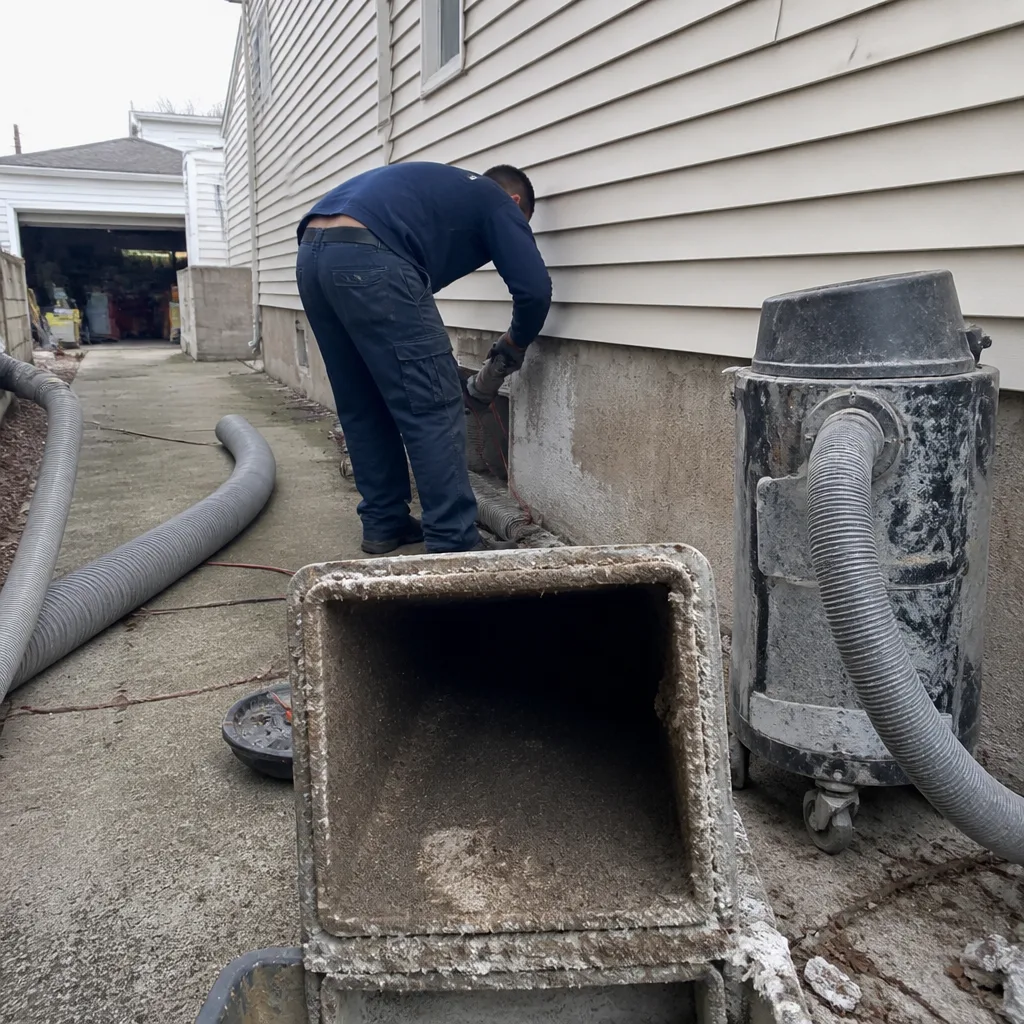 Before
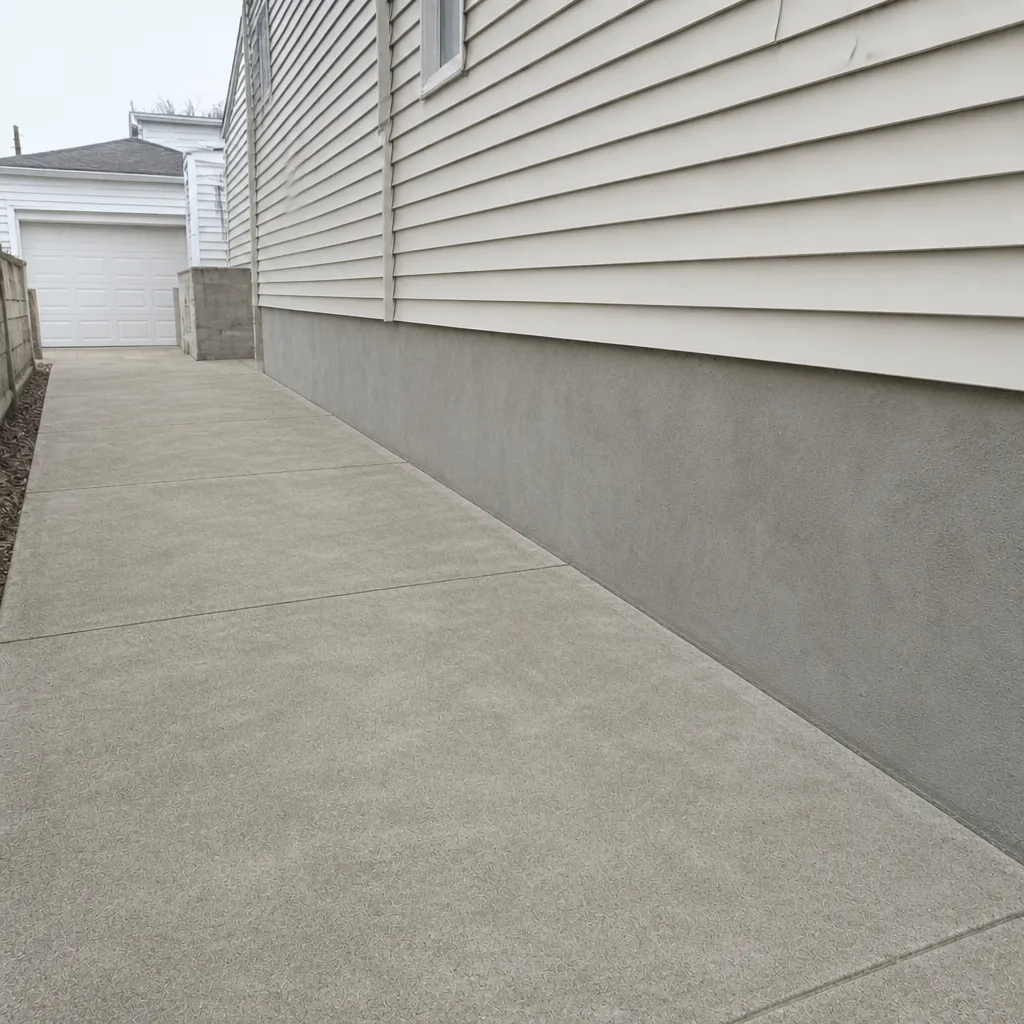 After
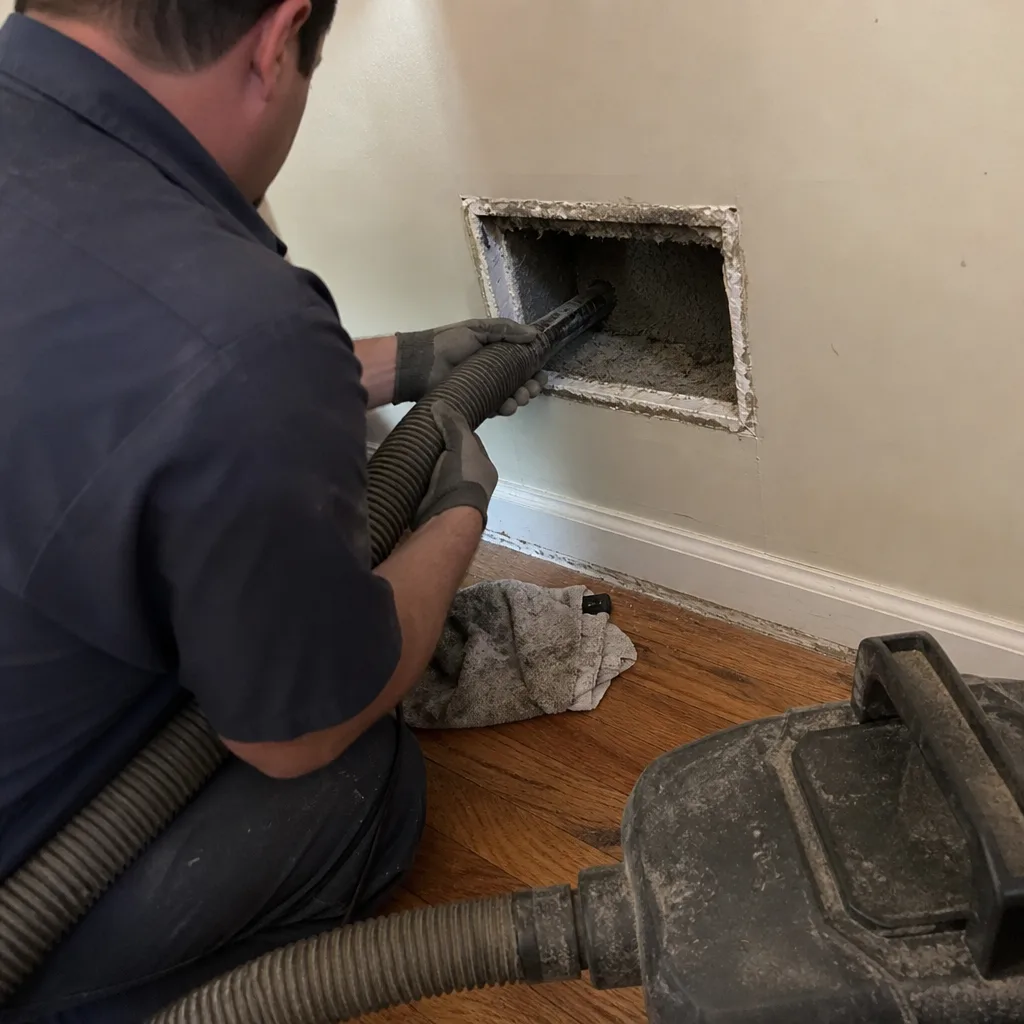 Before
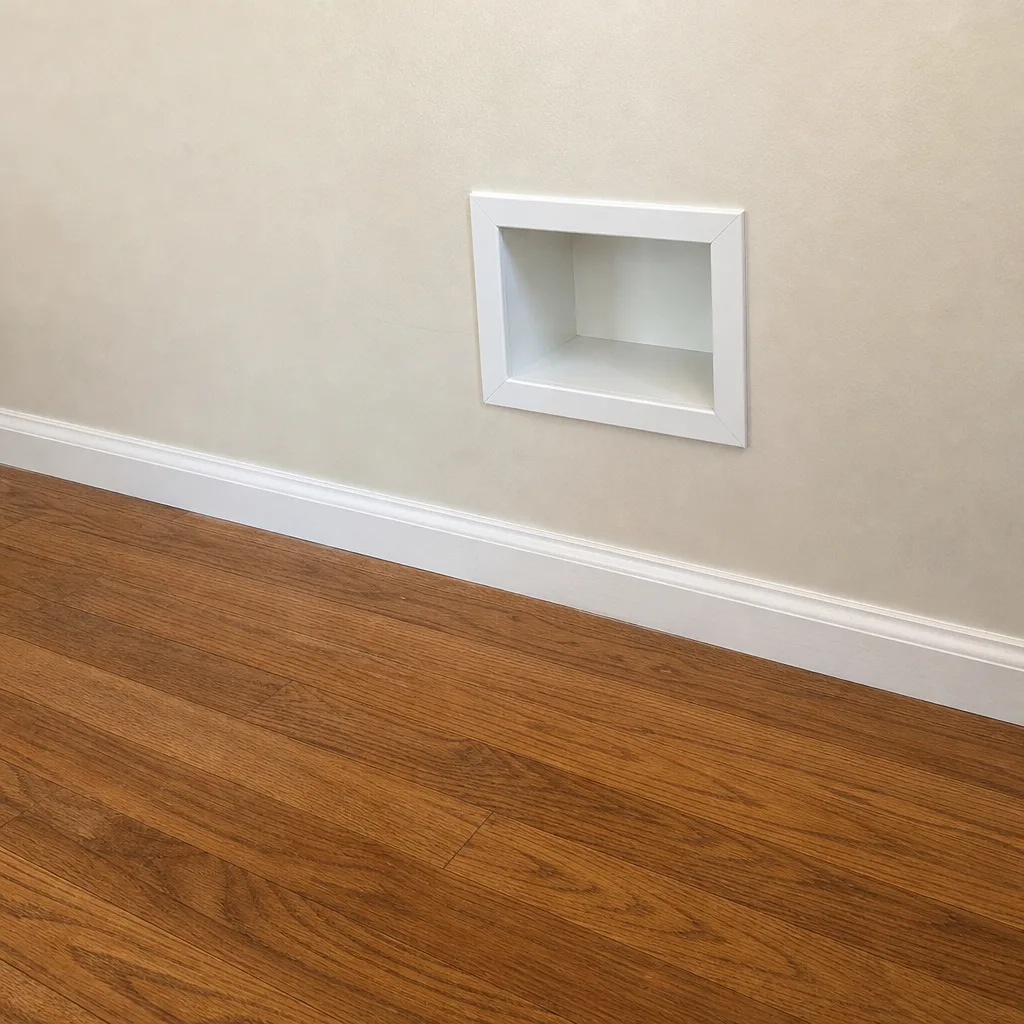 After
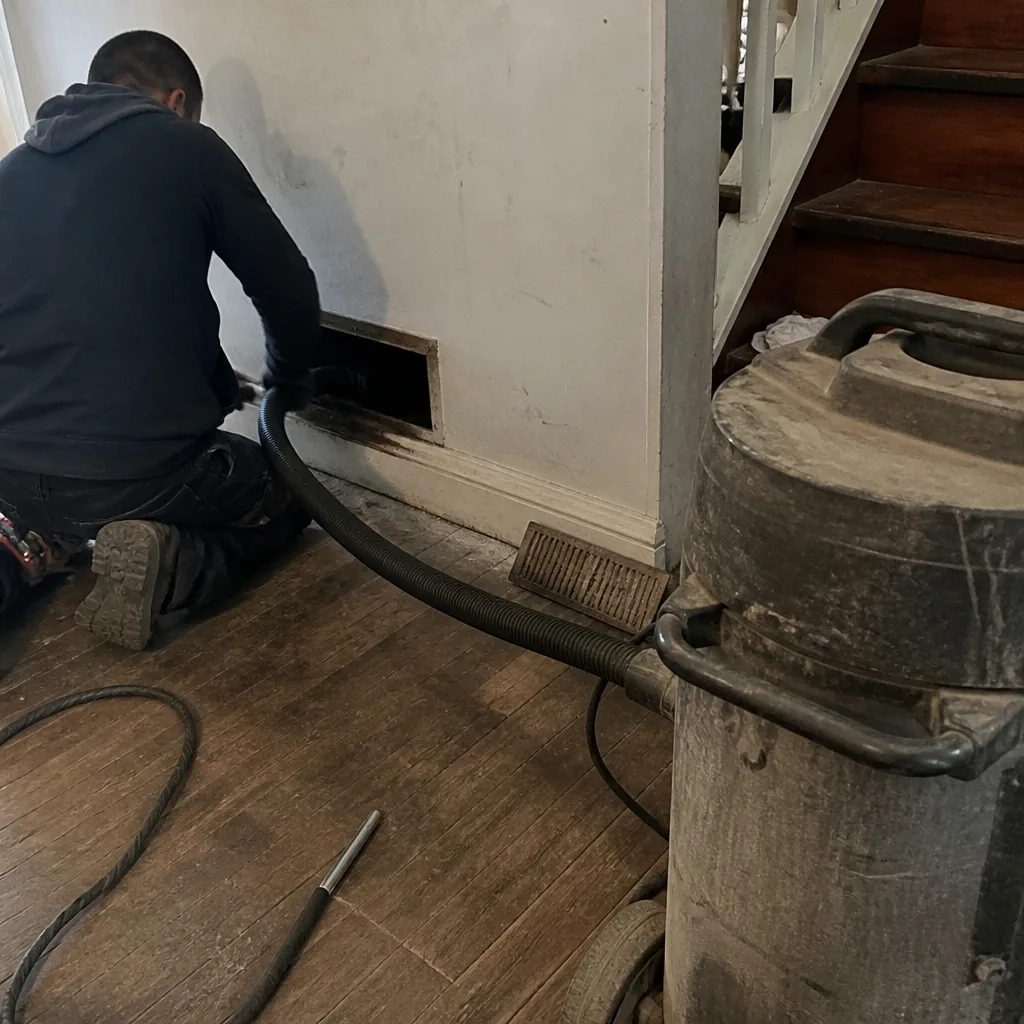 Before
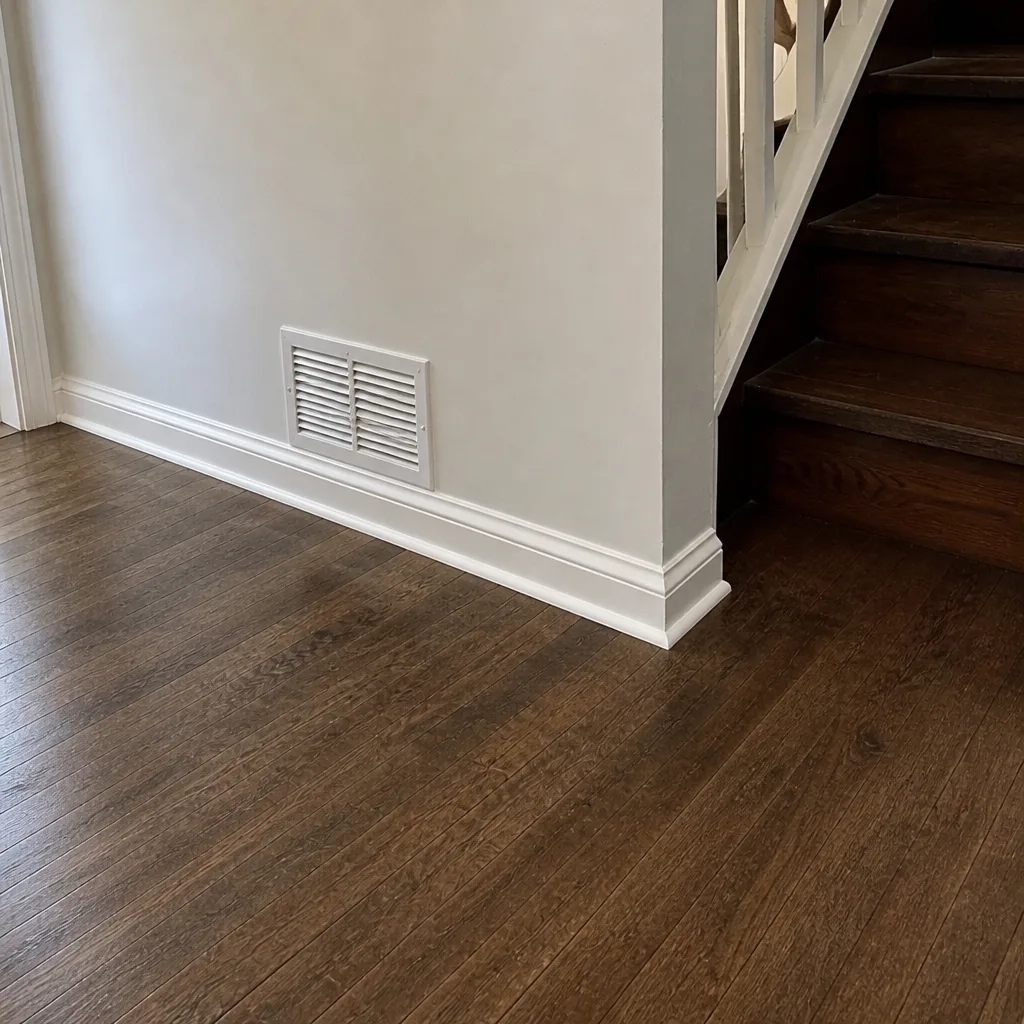 After
Frequently Asked Questions
October is the best month, because it’s the window when summer’s dust load in dormant heating ducts can be cleared before the first furnace cycle. April is the second-best window, but it’s more of an assessment point than a guaranteed cleaning slot. Homes that clean in October usually skip April cleaning and just do the check.
You can tell by asking what the cleaning scope covers and whether it includes an inspection of the return plenum, the coil, and the boots, not just the supply runs. A visible register photo, a check of the return grille, and a documented inspection report are verifiable evidence. If you’re still unsure, a free estimate gives you a second opinion without a pitch. Call (833) 637-5806 for an exact scope and to schedule an inspection. We answer 24/7. Fast dispatch from 7am to 7pm, Sunday through Friday.
Yes, and flex duct in attic or joist-bay runs is the part most affected. Cold supply air plus humid summer air equals condensation on the outside of the duct, and a torn outer jacket lets that moisture into the insulation where it stays. The result is a wet run that feeds microbial growth quietly for months. Checking the jacket, supports, and register boots in June is the practical fix.
That smell is the dust and settled debris in the heating ductwork getting pushed through the system on first use, and sometimes it’s also a sign of microbial growth in the heat exchanger area or the coil. A quick inspection before the first cold snap tells you which it is. If the smell persists past a few cycles, that’s a sign to schedule service rather than wait. Call (833) 637-5806 for a free estimate.
Yes, if the inspection turns up leaks. Cleaning without sealing means the ducts pull the same basement or attic air back in within months. Cleaning and then sealing in the same visit is the more efficient order. If you find leaks in fall, sealing before heating season starts pays for itself in comfort and cuts dust load over the winter.
Most homes in South Ozone Park land at every 2 to 4 years with an inspection at each seasonal transition. Homes with pets, recent renovations, or moisture history usually need it on the shorter end. Homes that follow the October and April checkpoints can often go the longer end, because small problems get handled before they turn into a full cleaning. Call (833) 637-5806 for an exact quote. Estimates are free.
The Bottom Line
Duct care in South Ozone Park isn’t a single annual service; it’s a sequence tied to the seasons. October is the priority cleaning window because dormant heating ducts hold the most dust before the first cycle. April is the assessment point before cooling season, when dust load and condensation actually decide whether cleaning is needed. Through the year, moisture control in summer and sealing in winter do the long-term work, and a rolling 12-month log tells you whether your frequency is right or whether it’s time to change it. Follow the sequence and the log, and you’ll know exactly when service is due, not guess.
To schedule an assessment or get a free estimate, call Air Duct Cleaning South Ozone Park at (833) 637-5806. We answer 24/7. Fast dispatch from 7am to 7pm, Sunday through Friday. Our technicians have up to 9 years of experience, and the local pro is licensed and insured as their state requires. The written estimate sets the final price.
Written by the team at Air Duct Cleaning South Ozone Park.