
Last updated November 22, 2026
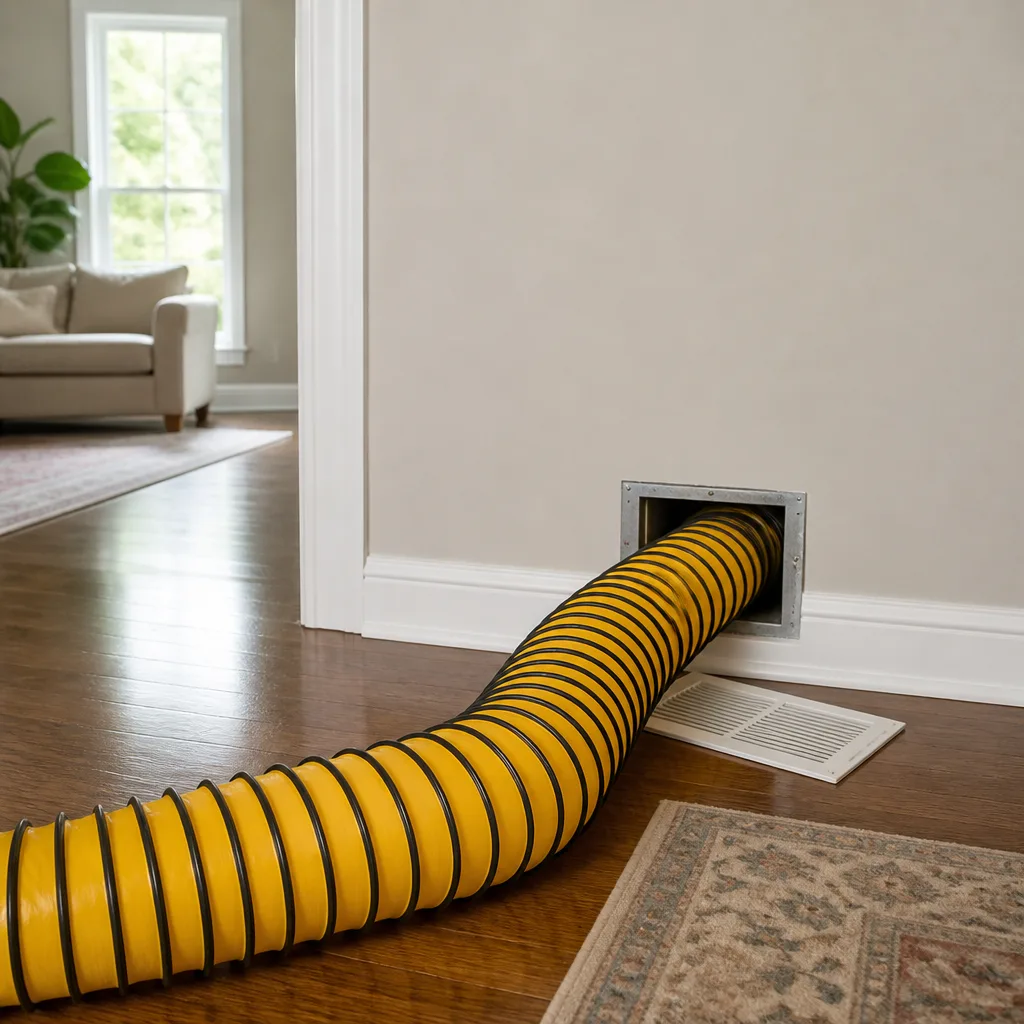 Whole-home duct cleaning
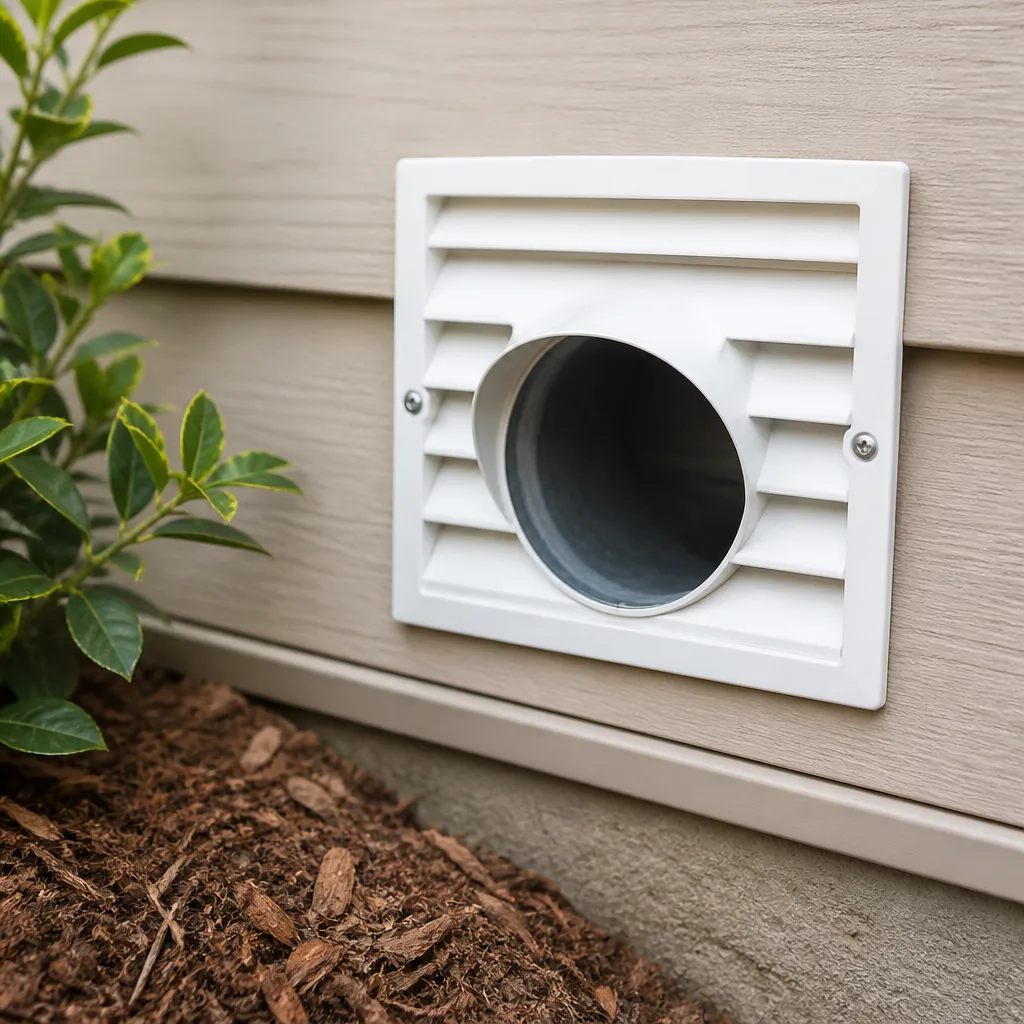 Dryer vent cleaning
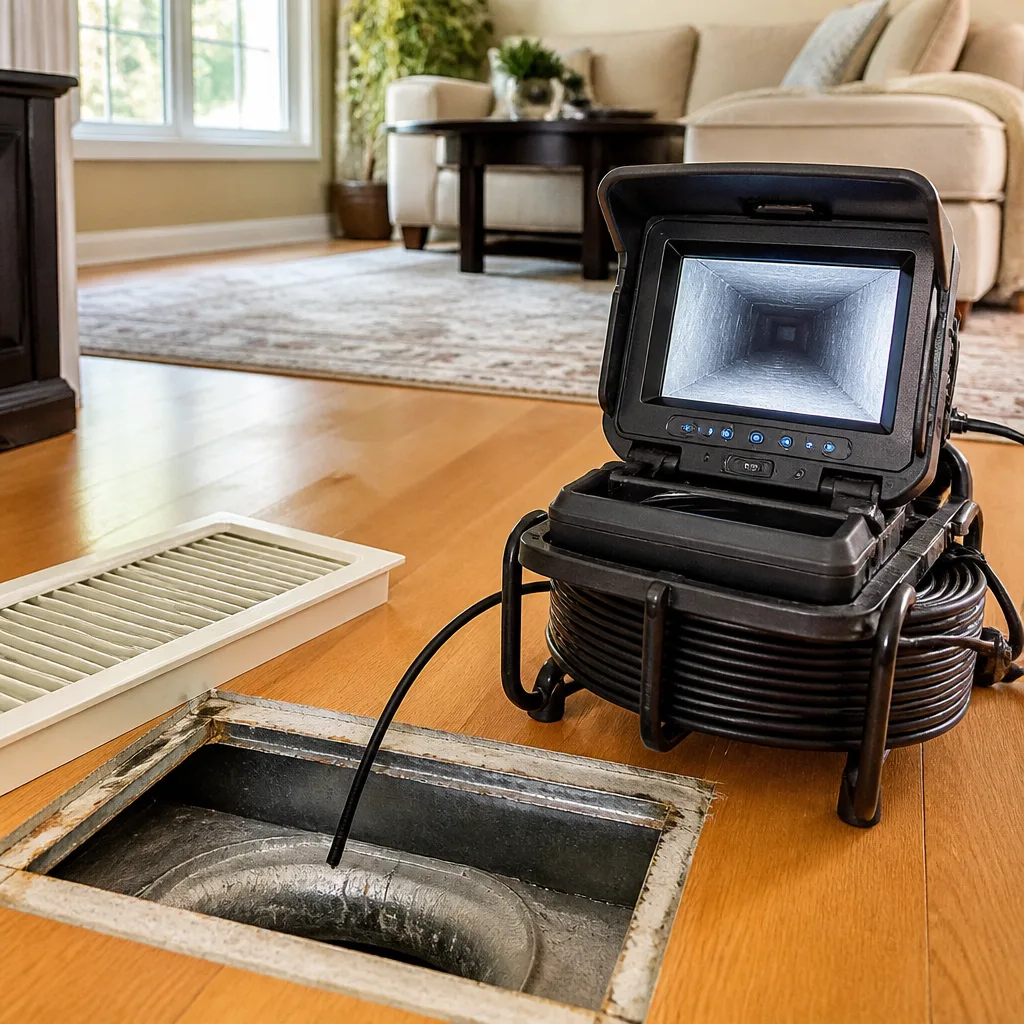 Camera inspection
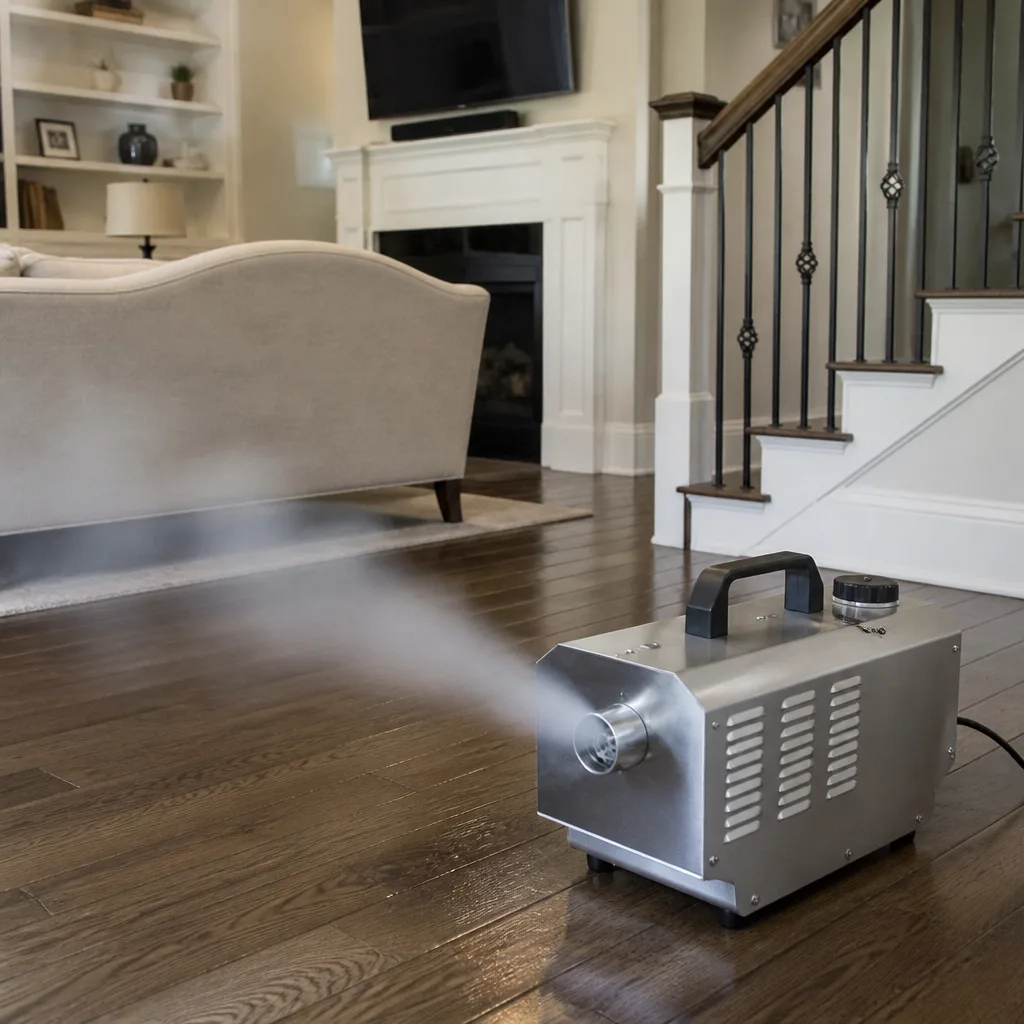 Sanitizing & deodorizing
Whole-system duct and dryer vent check with before-and-after photos - you see exactly what came out of your vents
That "$99 whole-house special" is a bait ad - the real number appears once they are in your hallway, or the "clean" is a shop-vac at the register. We photograph the inside of your ducts before and after instead.
Air Duct Cleaning Emergency Preparedness Guide for South Ozone Park Homes
After a basement flood in a South Ozone Park row house, the HVAC duct system sitting at or below grade is often the last thing on a homeowner’s mind, and the first place mold establishes in the following 72 hours. That gap between water receding and a call being made is where most of the real damage happens. Not because people don’t care, but because nobody hands you a protocol in the middle of a crisis. Ducts get forgotten, the system gets switched back on to “dry things out,” and contaminated air starts moving through the whole house before anyone has thought it through.
This guide is that protocol. It covers three specific emergencies that touch duct systems in South Ozone Park, what to do in the first 24 to 72 hours, and how to prepare before anything happens.
Quick Answer
If your ducts have been exposed to floodwater, smoke, or heavy construction dust, shut the HVAC system down and keep it off until the ductwork is inspected, and call for a professional assessment rather than running the system to “clear it out.” Your priorities are moisture control, documentation for insurance, and a cleaning that addresses the source of the contamination, not just the visible surfaces. Call (833) 637-5806. We answer 24/7. Fast dispatch from 7am to 7pm, Sunday through Friday.
Styles & brands we work with
- Whole-home duct cleaning
- Dryer vent cleaning
- Camera inspection
- Sanitizing & deodorizing
Table of Contents
- Three Emergencies That Hit Ducts in South Ozone Park
- The First 24 to 72 Hours After Water Reaches Your Ducts
- Post-Flood Duct Protocol
- Post-Fire and Smoke Infiltration Protocol
- Post-Construction and Renovation Dust Protocol
- Why Standard Equipment Isn’t Enough After a Remediation Event
- What NY Insurance Adjusters Need for Duct Claims
- Pre-Emergency Preparation: Know Your Duct System First
- Common Mistakes to Avoid
- When to Call a Professional
- Frequently Asked Questions
Three Emergencies That Hit Ducts in South Ozone Park
Not every duct problem is the same kind of problem. A maintenance cleaning handles ordinary accumulation from everyday life. An emergency response handles contamination introduced by a specific event, and the response is different depending on what the event was. In South Ozone Park we see three scenarios come up again and again, and each one has its own logic.
- Post-flood: Basement and ground-floor water intrusion after heavy rain pushes storm water into spaces where the duct system sits at or below grade. This is the highest-risk scenario because of what water does to duct interiors, insulation, and the mechanical equipment connected to them.
- Post-fire and smoke infiltration: Even a fire next door or in an attached unit can push smoke residue into a home’s ductwork through return air pathways and shared wall cavities. Smoke odor that “keeps coming back” weeks later usually isn’t a rug problem.
- Post-construction dust: South Ozone Park has seen steady development and renovation activity, and drywall dust, silica, and fiberglass particles from a neighbor’s project or your own can be drawn into your return system and redistributed throughout the home.
The reason this matters for preparedness is simple: each scenario calls for different timing. A flood response is measured in hours. A smoke response in days. A construction dust response depends on whether the project is finished. Getting the category right before you call saves time and, often, avoids the wrong kind of cleaning. A standard maintenance service won’t address the microbial concerns of a wet system, and a sanitizing service won’t address the physical debris left by a renovation. Our full range of Air Duct Cleaning South Ozone Park services covers each of these scenarios separately, because they don’t have one answer.
The First 24 to 72 Hours After Water Reaches Your Ducts
Water and ductwork are a bad combination on a schedule. Mold can begin establishing itself on wet porous materials within that 24 to 72 hour window, which is why every hour of delay after the water recedes reduces your options. The single most common mistake is restarting the HVAC system to dry things out. That moves contaminated air through the entire house and pushes moisture into components that didn’t get wet. Here’s the sequence that actually works:
- Shut the system down at the thermostat and at the breaker. Don’t run the fan. Don’t run “fan only” mode.
- Photograph everything before you move it. Duct registers, waterlines on the wall, the air handler or furnace, and any visible debris near the vents.
- Get standing water out of the basement or crawl space. Ducts sitting in standing water keep absorbing moisture until the water is gone.
- Start drying the space around the ducts, not the ducts themselves. Dehumidifiers and air movers aimed at the room reduce ambient humidity and slow the clock.
- Call for a professional assessment before you restart anything. You need someone to look at the duct interiors and the air handler to determine what’s actually wet and what’s salvageable.
One important note: don’t try to access duct interiors yourself to “check.” Ducts and the equipment connected to them involve sharp edges, electrical components, and sometimes gas-fired heating equipment. That’s a trained professional’s job. If your water heater or furnace was affected, treat that as a separate gas safety issue and call your utility.
Post-Flood Duct Protocol
Water damage to a duct system is measured in three ways: what got wet, how long it stayed wet, and what kind of duct material it is. Sheet metal ductwork can often be cleaned and dried if it’s caught early. Flex duct and fiberglass duct board are more difficult because the porous layers absorb water and hold it. Rigid ductboard that’s been submerged usually needs replacing rather than cleaning, and that’s a conversation to have with a professional before you assume otherwise.
The response sequence after a flood in a South Ozone Park row house usually looks like this:
- Water extraction and structural drying first, so the ducts aren’t sitting in a humid envelope
- Inspection of the air handler, coils, and any duct runs at or below grade
- Mechanical cleaning of duct interiors with rotary brush systems, followed by negative-pressure filtration to capture dislodged material
- Antimicrobial treatment of duct surfaces using products designed for HVAC applications
- Repair or replacement of duct sections that can’t be fully dried or cleaned
- Sealing of any joints opened during the process
The last two steps are where a lot of companies stop. A vacuum alone removes debris from the ducts that are accessible; it doesn’t repair the ducts that got damaged, and it doesn’t reseal joints that were compromised by water. That’s why our HVAC cleaning work is paired with repair and sealing as a separate service. Clean ducts start at the problem, not the surface.
Post-Fire and Smoke Infiltration Protocol
Smoke residue is a different problem than flood damage, and it needs a different response. Fires produce airborne particles that coat duct surfaces with soot and oils, and the smell lingers because those oils keep off-gassing for weeks or months. If the fire was in your unit, the ducts are almost certainly affected. If it was in an adjacent unit or down the block, the return air pathway can still pull smoke into the system through gaps and negative pressure.
What to do in the first days after a nearby fire:
- Change your HVAC filter immediately, then change it again after the ducts are cleaned. This is a filter issue, but changing filters alone won’t fix smoke odor.
- Keep the system running on normal settings, unlike a flood. Moving air through a fresh filter helps pull smoke particles out of the living space.
- Don’t use scented candles, air fresheners, or ozone generators to “hide” the smell. Masking agents coat duct surfaces and make professional cleaning harder.
- Call for duct cleaning with a focus on soot removal and surface decontamination, not just vacuuming.
- Ask about sanitizing after the cleaning is done, because smoke odor returns if the oils aren’t addressed.
For homes with allergy or asthma concerns, this stage matters. Air you can’t see is still air you breathe every day. Cleaning soot off duct surfaces and then treating them with products from Guardsman is the combination that actually resolves the smell rather than just reducing it for a few weeks.
Post-Construction and Renovation Dust Protocol
Renovation dust is often the most underestimated of the three scenarios because it isn’t a disaster. It’s just a project. But a renovation that generates dust in a South Ozone Park home, whether it’s your own kitchen remodel or a neighboring project in an attached row house, pushes fine particulate into the return air system. Drywall dust is particularly stubborn: it’s extremely fine, it coats duct interiors, and it accumulates on the blower wheel and evaporator coil where it can reduce system efficiency and eventually cause problems with airflow.
The right response depends on when you clean. During the project, the priority is containment: plastic sheeting over return registers in the work area, a fresh filter every few days, and keeping the system on low to maintain slight positive pressure in the living space. After the project is finished and the dust has settled, the priority is cleaning:
- Full duct cleaning including the returns, not just the supply side
- Inspection of the blower and evaporator coil, since dust builds up there and won’t be touched by duct cleaning alone
- Replacement of the HVAC filter after cleaning, not before
- Sealing of any duct joints that were opened or disturbed during the project
Construction cleaning is a scheduled job, not an emergency, and that’s fine. The point of preparedness is to know it needs to happen so you schedule it after the project instead of six months later when you’re wondering why the house feels dusty all the time.
Why Standard Equipment Isn’t Enough After a Remediation Event
A shop vac and a hose is not duct cleaning. It’s duct disturbance. The equipment matters most after an emergency, when the contamination is heavy and the stakes of recirculation are high. Professional systems are built around two things a consumer-grade tool can’t provide: mechanical agitation across the full duct surface, and negative-pressure filtration that captures dislodged material before it enters your home.
We use Rotobrush rotary brush systems for agitation, which physically scour duct interiors rather than just pulling surface dust. We use Nikro HVAC cleaning units for the extraction side, and Abatement Technologies air filtration machines to maintain negative pressure and HEPA-filter the air during the cleaning. That last piece is what separates a remediation cleaning from a maintenance one: after a flood or fire, there’s more contamination in the air during the process, and it needs to be captured rather than exhausted into the living room.
Sanitizing and air quality treatment are handled with products from Guardsman and Abatement Technologies, designed specifically for HVAC surfaces. For long-term indoor air quality, we also install Honeywell and Aprilaire solutions that address filtration and humidity control at the equipment level. Cleaning handles the immediate problem. Equipment upgrades help keep it from coming back. Both are part of the full picture, along with dryer vent cleaning, which gets overlooked in emergency conversations even though lint-choked vents are a leading cause of residential fires when neglected.
What NY Insurance Adjusters Need for Duct Claims
Duct damage gets denied more often than it should because the documentation was incomplete, not because the claim wasn’t valid. Adjusters work from photos, inspection reports, and contractor records, and if any of those three is missing, the duct portion of a claim tends to get folded into the general water damage settlement at a lower figure than the actual work requires. Knowing what to capture before cleanup begins is the difference between a straightforward claim and a fight.
Here’s what to collect:
- Photos with context: Show the waterline, the duct register, and a recognizable feature of the room in the same frame. A close-up of a wet duct with no surroundings is hard to place on a claim.
- Photos of the air handler and furnace: Any equipment that may have been affected, including nameplates if accessible.
- A written inspection report from the duct contractor: This should state what was affected, what the recommended scope of work is, and why. Adjusters want a professional opinion in writing, not a verbal estimate.
- Records of what was done: Cleaning, sanitizing, repair, and any parts or materials used, with dates.
- Pre-loss documentation: If you have photos of your ductwork from before the emergency (see the next section), include them. They help establish baseline condition.
One caution: don’t throw out damaged duct sections or filters before your adjuster has seen them. And don’t let a contractor talk you into starting demolition before photos are taken. The order of operations matters more than the speed. If you’re uncertain whether your insurer will require a specific form or inspection type, ask them before the work starts. Our team can provide inspection documentation and before-and-after photos of the work, which is often what closes the gap.
Pre-Emergency Preparation: Know Your Duct System First
The time to learn how your duct system is laid out is not during a flood. Decisions made under stress tend to be worse decisions, and this is a category where a little preparation goes a long way. You don’t need to become an HVAC expert. You need to know four things about your home before anything goes wrong.
- Where the air handler is, and where its breaker is. If you ever need to shut the system off in a hurry, you don’t want to be searching the panel by flashlight.
- Where the return air registers are. These are the grilles that pull air back into the system, usually larger than the supply vents. In row houses, some returns are close to the floor or in a hallway, and knowing which ones are near the water table matters.
- What kind of ducts you have. Sheet metal, flex, and ductboard behave very differently when wet. A quick look at a register with a flashlight usually tells you which you have, or a technician can tell you during a routine cleaning.
- Roughly how old the system is. If the air handler is at the end of its typical service life, water exposure may push a repair decision toward replacement, and knowing that ahead of time helps you plan.
Two additions make this more useful. First, take photos of your ductwork and equipment now, and keep them somewhere you can access without power. Second, write down the phone number of the duct service you’d call in an emergency. Our number is (833) 637-5806. We answer 24/7. Fast dispatch from 7am to 7pm, Sunday through Friday. Having it written down rather than searched for during a crisis is a small thing that pays off.
A routine air duct cleaning visit is also a reasonable time to ask a technician to walk you through your layout. Ask questions then. It’s a lot easier than learning during a flood.
Common Mistakes to Avoid
- Running the HVAC to “dry out” after a flood. This is the single most expensive mistake we see in South Ozone Park. It pushes moisture into components that weren’t wet and distributes contamination through the whole house. Shut it down at the breaker instead.
- Assuming a cheap cleaning will handle a remediation. A maintenance cleaning and a post-flood cleaning are not the same job. If a quote is unusually low after a water event, ask what equipment will be used and whether sanitizing is included.
- Waiting to see if the smell goes away. Smoke odor after a nearby fire usually doesn’t resolve on its own, because the oils that cause it keep off-gassing. Waiting a month doesn’t make the smell better, it just makes the cleaning job bigger.
- Skipping photos before cleanup. Insurance claims for duct damage get reduced or denied for lack of documentation more often than for lack of coverage. Take the photos first, then call.
- Throwing out damaged duct materials before the adjuster sees them. It feels efficient and it damages the claim. Keep the damaged sections accessible until the adjuster has documented them.
- Cleaning the supply side and forgetting the returns. Construction dust and smoke both enter through the return pathway. Cleaning the supply registers alone leaves the problem in place.
- Ignoring the dryer vent during emergency preparation. Dryer vents aren’t touched by flood or smoke emergencies, but lint-clogged vents are a fire risk that’s entirely preventable with a routine dryer vent cleaning. It’s worth doing while you’re thinking about it.
See the difference
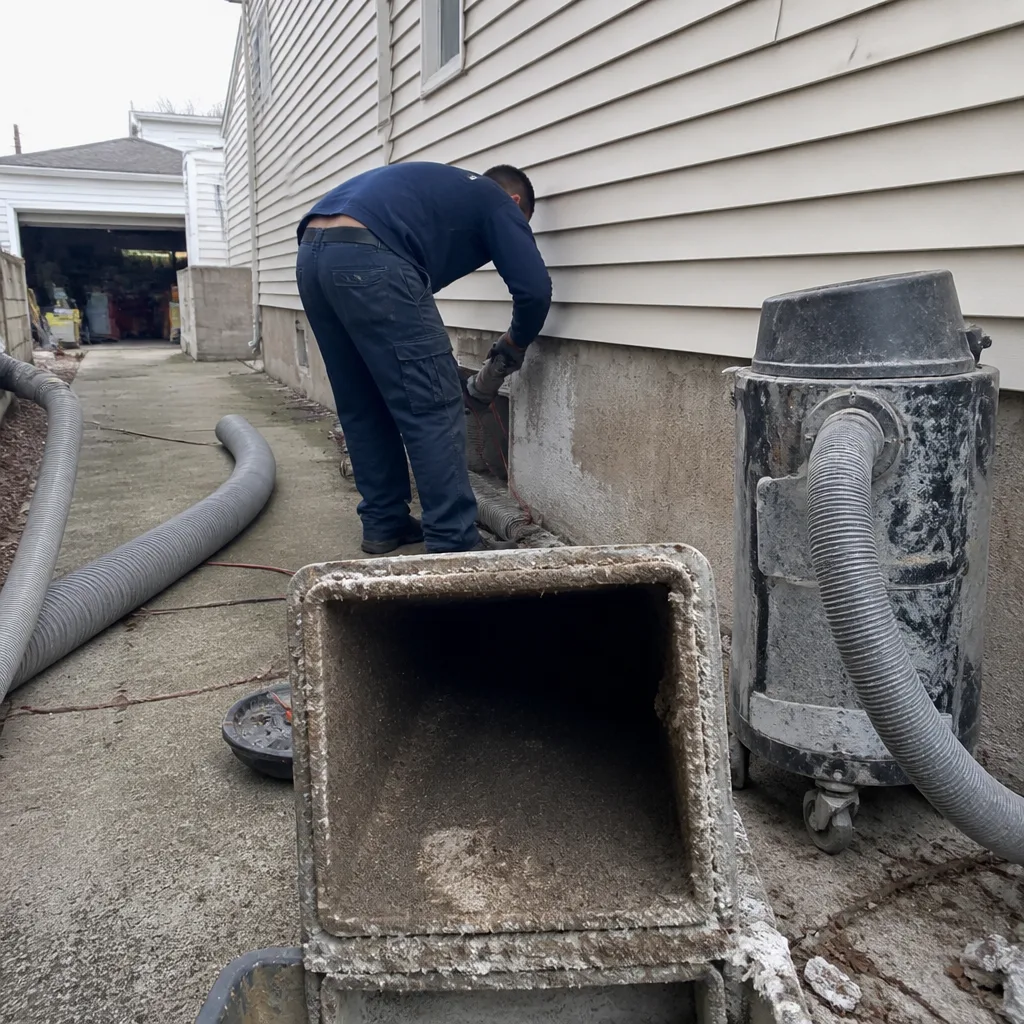 Before
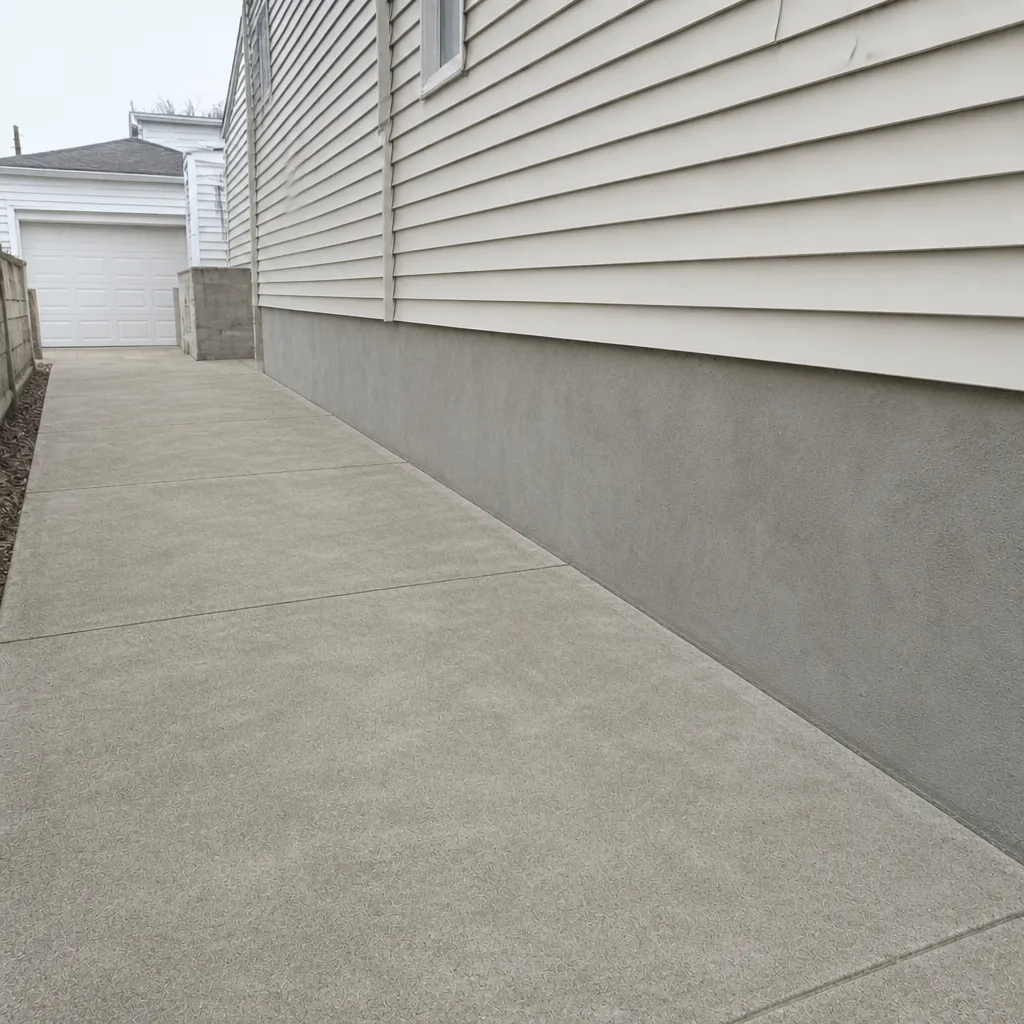 After
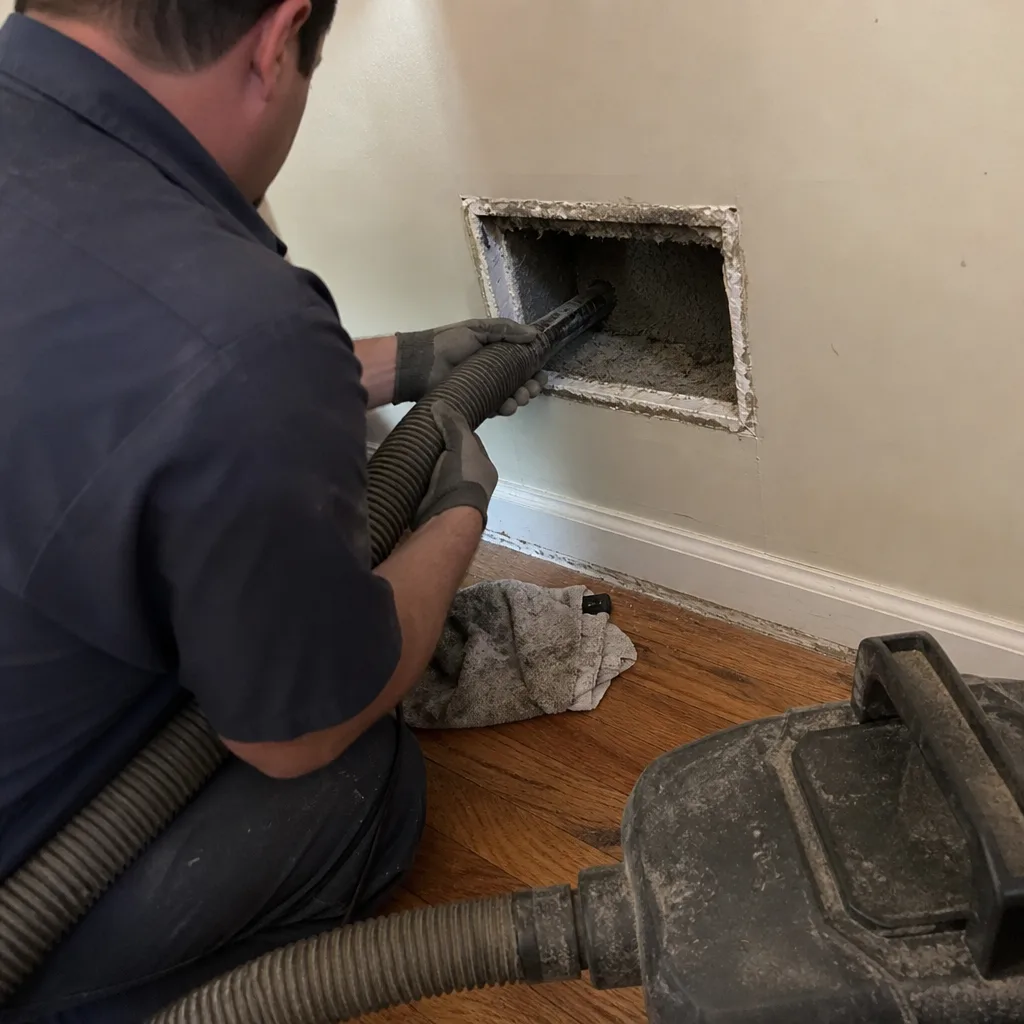 Before
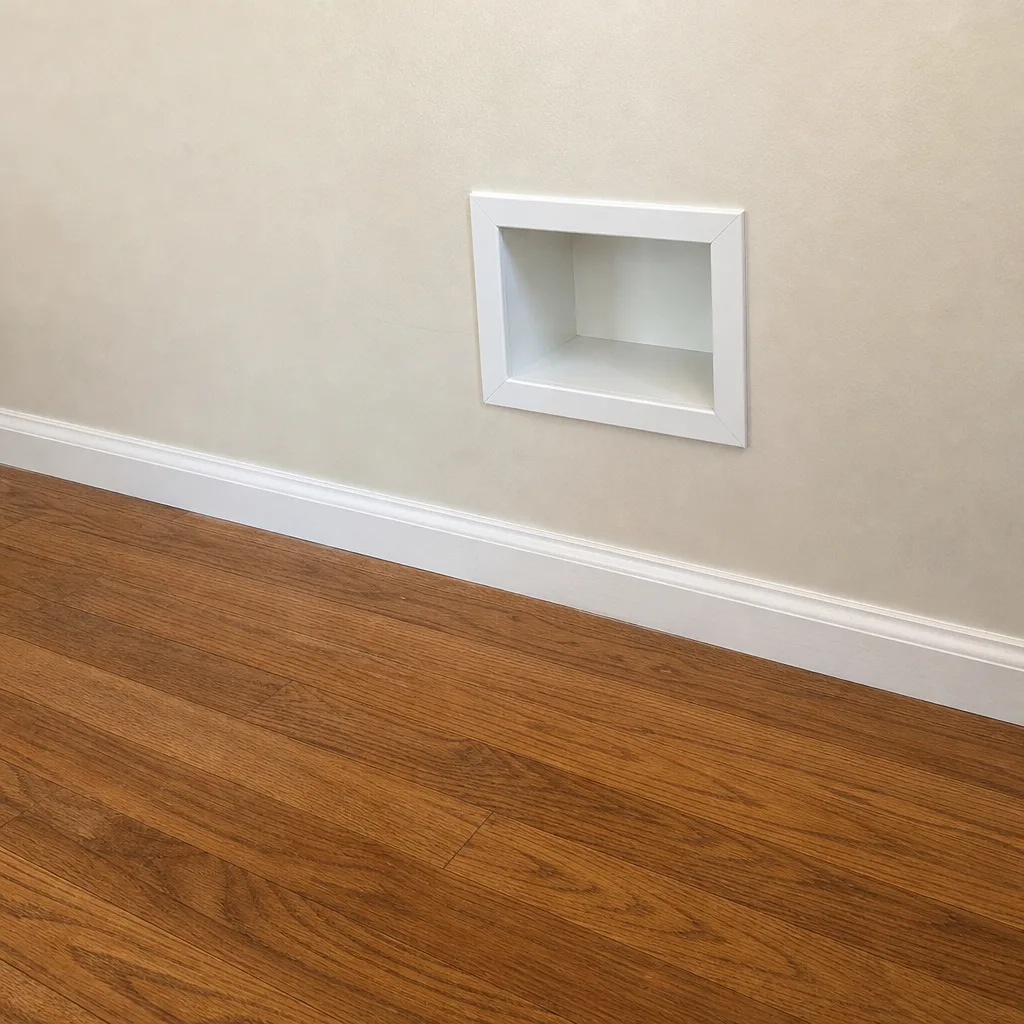 After
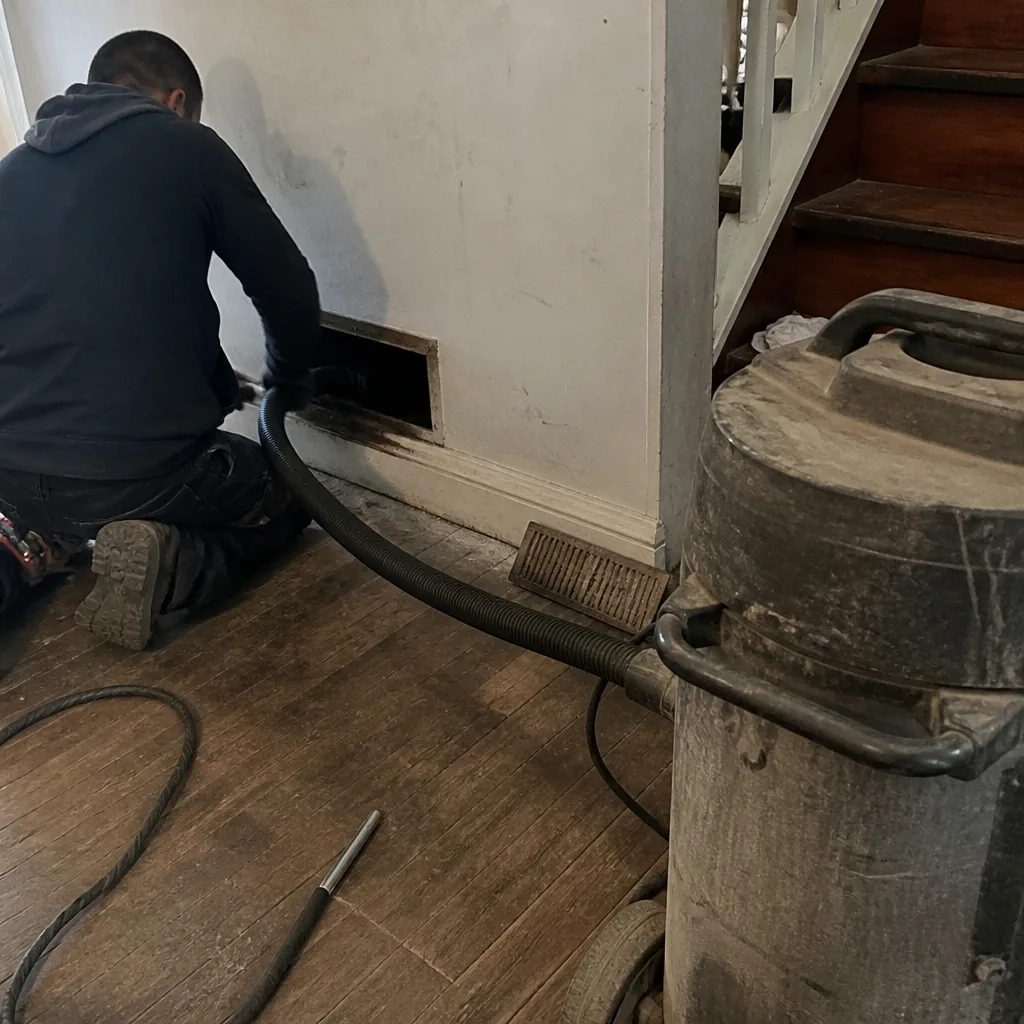 Before
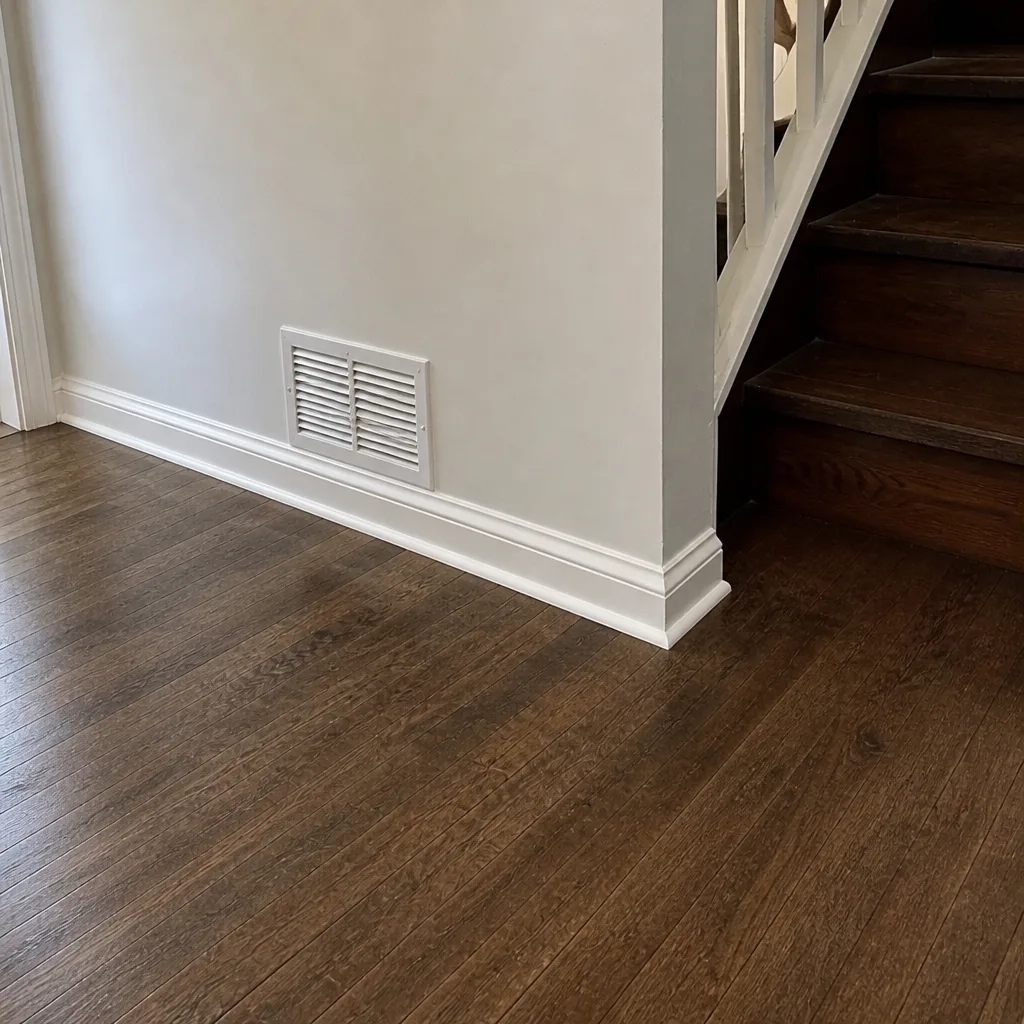 After
When to Call a Professional
Call a professional when the ducts have been in contact with floodwater, when smoke from a nearby or adjacent fire is lingering in the house, when a renovation has just finished and dust is widespread, or when you smell something musty coming from a register that doesn’t go away. Also call if you’ve recently moved into a South Ozone Park home and you don’t know the condition or age of the ductwork; a routine assessment answers a lot of questions before they turn into emergencies. What you should not do is open duct panels yourself to investigate, especially if the system was connected to gas-fired equipment in the affected area. That’s a professional’s work.
Air Duct Cleaning South Ozone Park offers free estimates in South Ozone Park. Call (833) 637-5806. We answer 24/7. Fast dispatch from 7am to 7pm, Sunday through Friday. Our technicians have up to 9 years of experience, and we use professional-grade equipment rather than improvised tools.
Frequently Asked Questions
Often yes, especially if the flooding raised the humidity in the space for more than a day. Ducts sitting in very humid, poorly ventilated spaces can absorb moisture through joints and mechanical connections even without direct water contact, and mold can establish on those surfaces. Have the system inspected before restarting the HVAC, and clean if the inspection shows moisture or microbial growth. Call (833) 637-5806 for a free estimate.
Post-flood or post-smoke duct cleaning usually runs more than a routine maintenance cleaning because it involves sanitizing, filtration during the work, and often repairs. The exact price depends on the size of the system, how extensive the damage is, and whether sections need replacement. We don’t quote a teaser price; the written estimate sets the final price after we’ve inspected. Call (833) 637-5806 for an exact quote – estimates are free.
No. Running the fan after water exposure pushes moisture into the air handler, coil, and duct sections that weren’t wet, and it distributes any contamination through the living space. Shut the system down at the thermostat and the breaker, dry the surrounding space with dehumidifiers, and wait for an inspection before restarting. Call (833) 637-5806 if you’re unsure what to do next.
Ask for photos of the work in progress and before-and-after photos of your own ducts. That’s the standard we hold ourselves to, and it’s the reason we document the work. A cleaning invoice without photos is an invoice; a cleaning with photos is evidence. Call (833) 637-5806 to schedule.
It often does, but the claim usually depends on documentation rather than coverage. Photos, a written inspection report from the duct contractor, and records of what was done are what adjusters work from. Ask your insurer about their specific requirements before work starts, and keep damaged materials accessible until the adjuster has documented them. Call (833) 637-5806 if you need help with inspection documentation.
Routine cleaning is typically every two to four years for most homes, sooner if you have pets, allergies, or a recent renovation. The bigger issue in South Ozone Park is event-driven cleaning: after a flood, after a nearby fire, or after a construction project, the timing of the cleaning matters more than the frequency. When in doubt, schedule an assessment. Call (833) 637-5806 for a free estimate.
The Bottom Line
Emergency preparedness for duct systems comes down to a few decisions you can make now. Know your duct layout, know where your air handler and its breaker are, take photos of the system while everything is fine, and write down the number you’ll call if something happens. If water reaches your ducts, shut the system down and don’t run the fan. If smoke is lingering, don’t mask it with fresheners. If a renovation just finished, schedule cleaning rather than waiting for the dust to settle permanently. Each of those decisions costs less than the mistakes they prevent, and they’re a lot easier to make before a crisis than during one.
When you need help, Air Duct Cleaning South Ozone Park is a call away. Call (833) 637-5806 for a free estimate. We answer 24/7. Fast dispatch from 7am to 7pm, Sunday through Friday.
Written by the team at Air Duct Cleaning South Ozone Park.