
Last updated November 22, 2026
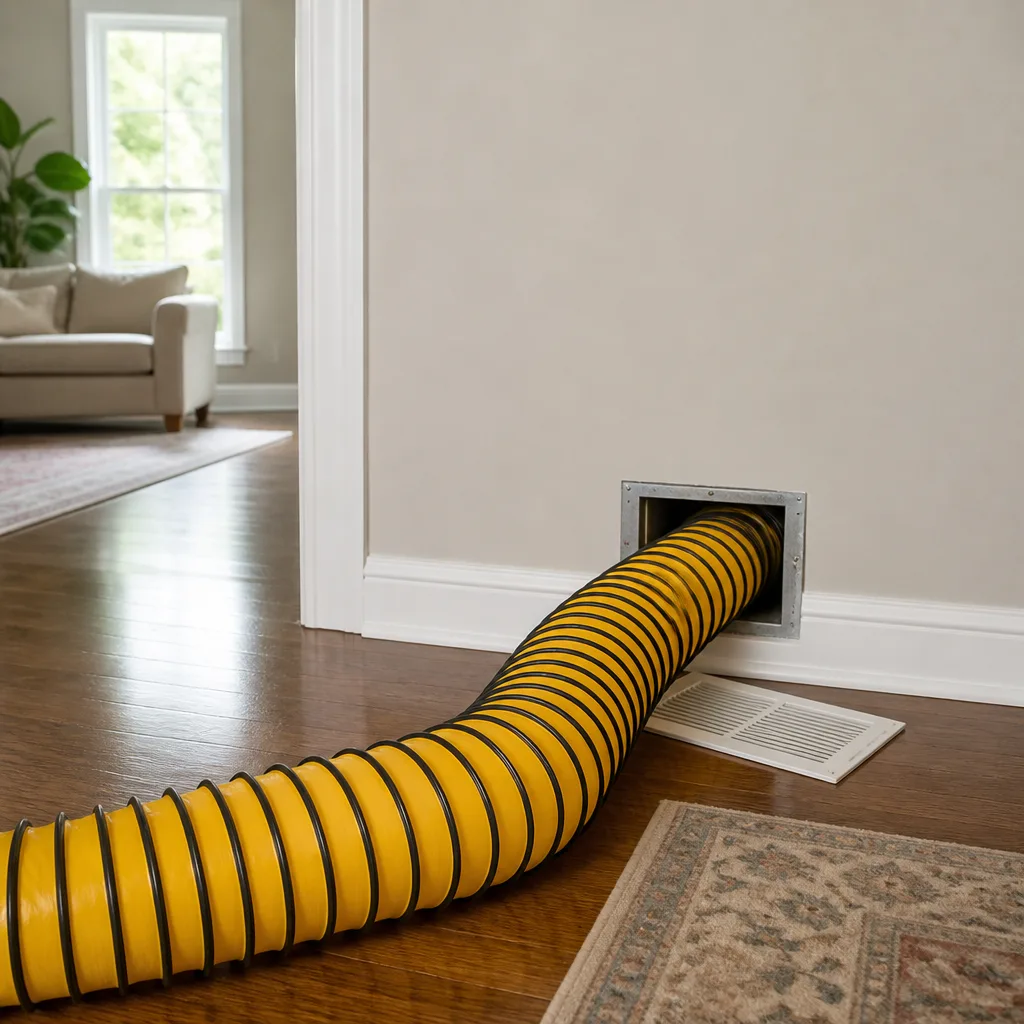 Whole-home duct cleaning
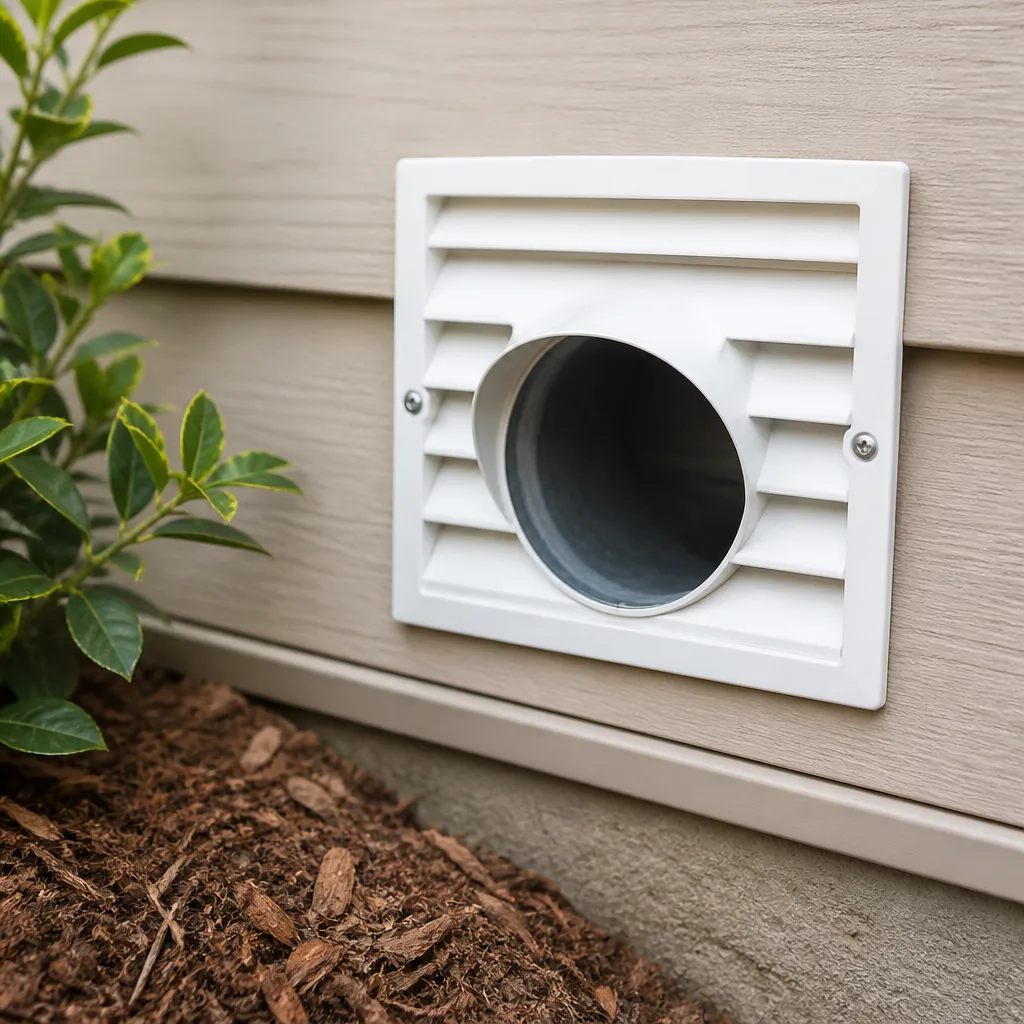 Dryer vent cleaning
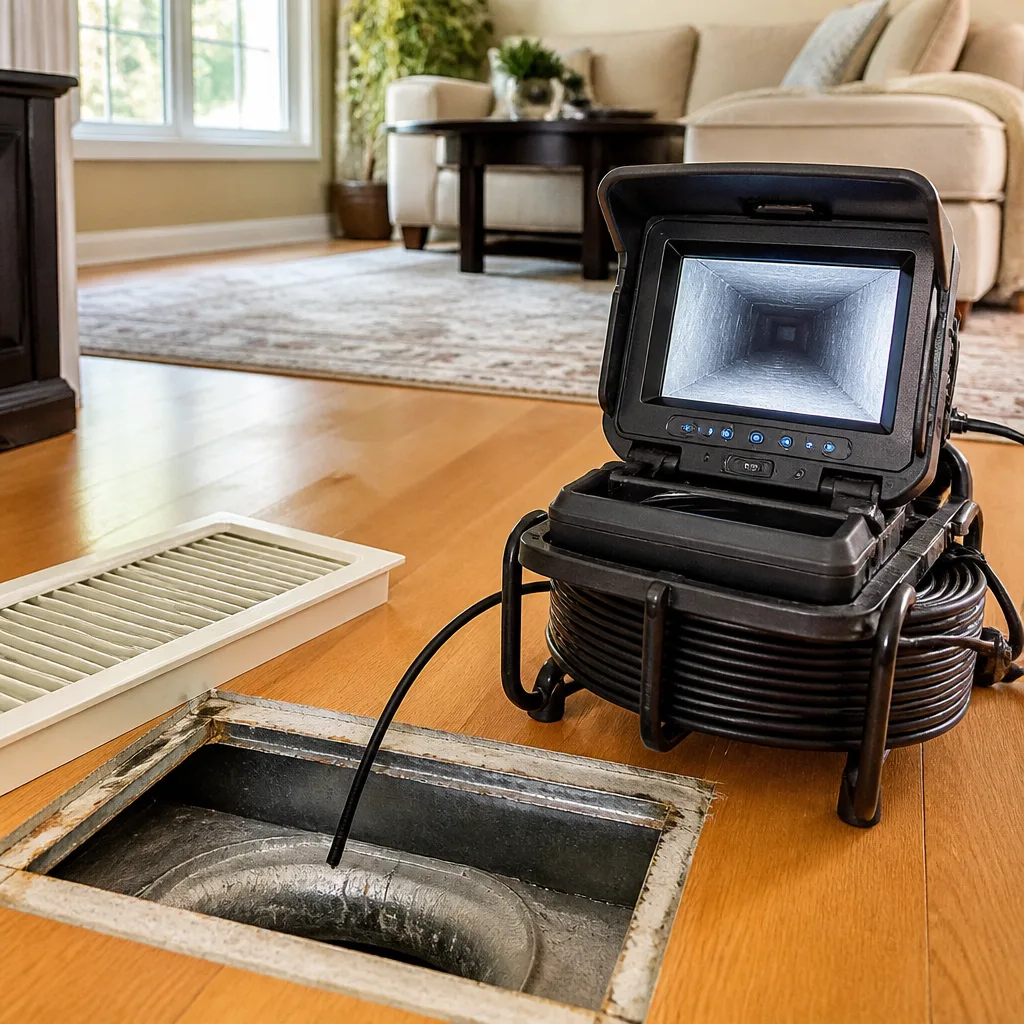 Camera inspection
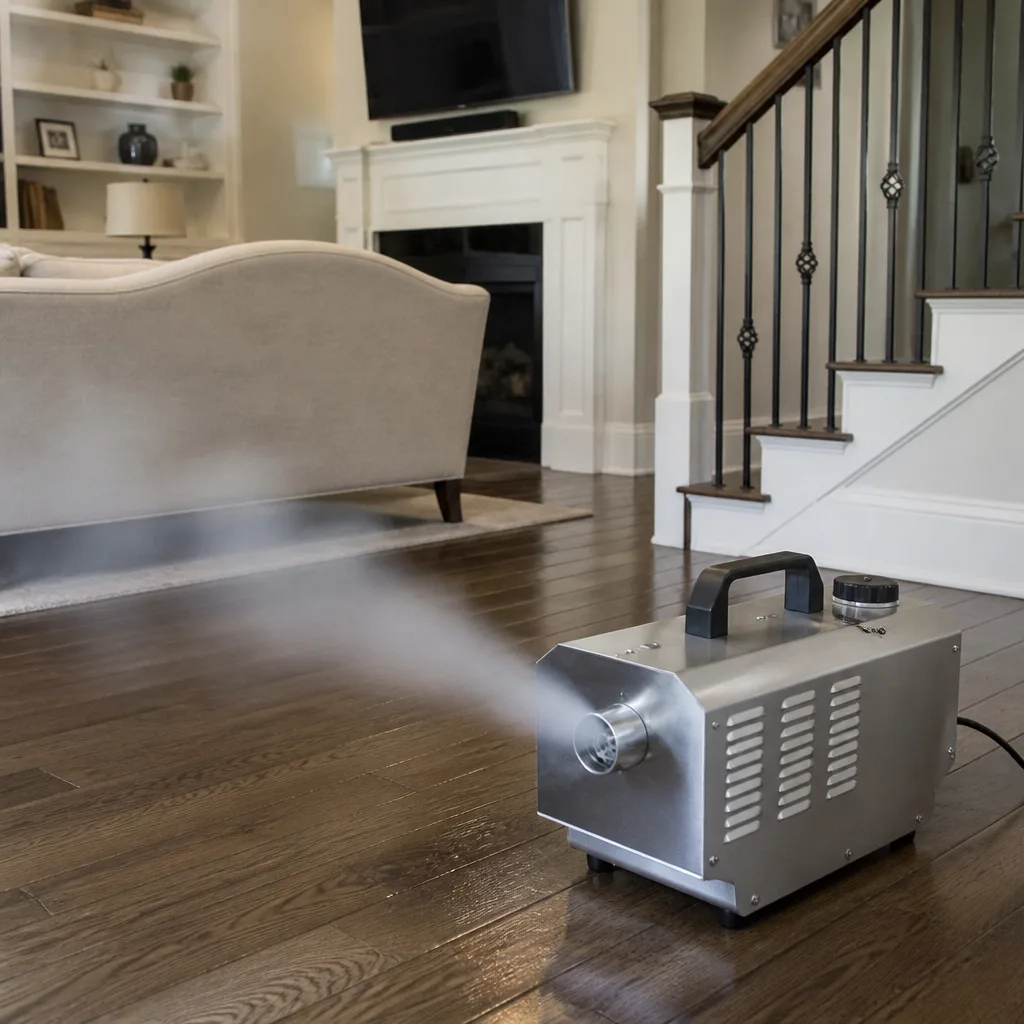 Sanitizing & deodorizing
Whole-system duct and dryer vent check with before-and-after photos - you see exactly what came out of your vents
That "$99 whole-house special" is a bait ad - the real number appears once they are in your hallway, or the "clean" is a shop-vac at the register. We photograph the inside of your ducts before and after instead.
Air Duct Cleaning Cost Breakdown: The South Ozone Park Homeowner’s Reference for 2026
Two quotes for the same house can land $500 apart. One is $149. One is $650. Both are described as “whole-house duct cleaning,” and only one of them actually cleans the whole system. That gap is the source of most of the confusion and most of the bad experiences in this trade, because a low bid isn’t a discount on the same job. It’s a different job wearing the same label. In South Ozone Park, where attached row houses and converted two-families make duct runs longer and access harder than a suburban rancher, that gap shows up fast. This guide breaks down what you’re actually paying for in 2026, so you can read a quote and know which job you’re being sold.
Quick Answer
Air duct cleaning in South Ozone Park typically runs $425 to $750 for a standard single-family home in 2026, with larger or converted two-family homes arriving at $650 to $950. The price is driven by system size (number of supply and return runs), how accessible the ductwork is, and how much repair or sealing is needed. Anything under about $300 for a whole-house job usually means a single portable vacuum and a short visit, not a professional negative-air cleaning.
Styles & brands we work with
- Whole-home duct cleaning
- Dryer vent cleaning
- Camera inspection
- Sanitizing & deodorizing
Table of Contents
- Why Quotes Vary So Widely: Three Pricing Models
- The Itemized Breakdown: Where the Money Actually Goes
- 2026 South Ozone Park Price Benchmarks by System Size
- How South Ozone Park Housing Types Change the Price
- Add-Ons Worth Paying For vs. Upsells That Rarely Justify It
- How to Spot a Quote That’s Suspiciously Below Market
- How to Verify the Work Was Actually Done
- When It’s Time to Schedule Cleaning
Why Quotes Vary So Widely: Three Pricing Models
Three pricing models dominate residential duct cleaning in Queens, and each one tells you something about how the company operates before the technician ever arrives. Reading the model is faster than reading the quote.
Per-Vent (Per-Register) Pricing
The company counts supply and return registers, multiplies by a rate, and quotes a total. On the surface this is transparent because you can count your own vents. The problem is the rate. Advertised per-vent prices of $25 to $40 per vent only pencil out when the cleaning is fast, which means a portable vacuum, a surface pass at each register, and no real work inside the trunk line or the returns. When the technician is on site and finds “extra” work that’s needed, the price climbs. That’s the classic bait-and-switch pattern, and it’s the one South Ozone Park homeowners should watch for most closely.
Flat-Rate Whole-System Pricing
A single agreed price for the entire system, determined from a description of the home and confirmed on arrival. This is the cleanest model for the homeowner. The number doesn’t move because someone counted eleven registers instead of nine. We work this way because per-vent arithmetic rewards the wrong incentives: the faster the pass, the more profitable the job. A flat price per system agreed before work starts means the technician’s job is to actually clean the ducts, not to hit a vent count.
Square-Footage Pricing
Some companies scale the price by conditioned square footage. It correlates loosely with duct volume, but it’s a rough proxy. A compact two-family with a long converted-attic run can carry more ductwork than a larger open-plan single-family. If you see square-footage pricing, ask whether the quote includes return-side ductwork and the trunk line, because those are where the cost usually hides.
What Each Model Signals
- Per-vent at a low rate: a short surface pass with portable equipment, with the real price arriving as add-ons.
- Flat-rate per system: scope is fixed up front; time on site (3 to 4 hours for a professional job) is the company’s problem, not yours.
- Square-footage: workable, but confirm what’s included in the trunk and returns before agreeing.
The Itemized Breakdown: Where the Money Actually Goes
A legitimate professional duct cleaning is not a single act. It’s a sequence of distinct operations, and each one costs something. Here’s what you’re actually buying when the price is honest.
Equipment Time
This is the biggest line item and the one the low bid quietly deletes. Professional cleaning uses a rotary brush system (Rotobrush) to agitate debris off the duct walls, paired with a high-volume negative air machine (Nikro) that pulls the loosened material out of the system and into a HEPA filtration unit (Abatement Technologies) so it doesn’t recirculate into your living room. Running that equipment for 3 to 4 hours on a South Ozone Park house is the core of the job. A shop vac and 45 minutes is not the same service.
Labor
Two technicians, typically. One works the registers and branches; one manages the vacuum, the access points, and the containment. A two-person crew for the duration of the job is normal and reflects the physical work involved in a two-story row house with basement and attic runs.
Sanitizer Application
After cleaning, a sanitizer (Guardsman is a common choice, applied with Abatement Technologies equipment) is fogged through the system to address microbial contaminants the vacuum can’t remove mechanically. This is a modest line item, and it’s genuinely useful when there’s visible growth or persistent odor, less so on a clean system with no biological concern.
Access Panel Installation
Most residential ductwork in South Ozone Park was not designed with cleaning access in mind. The technician cuts and installs access panels at strategic points so the rotary brush and vacuum can reach the trunk line instead of just the register openings. This is a legitimate cost, and it’s also what allows future inspections to happen without cutting again.
Post-Clean Verification
A professional job ends with verification: a visual check through the access panels, and often before-and-after photos so you can see what the duct interior looked like before and after. If you’re not shown the ducts, you have no way to know whether the work happened.
Typical Itemized Ranges for South Ozone Park
- Equipment and vacuum time: $175 to $300 (the variable that separates a real cleaning from a surface pass)
- Two-technician labor, 3 to 4 hours: $150 to $250
- Sanitizer application: $60 to $125
- Access panel installation (if needed): $40 to $90 per panel
- Post-clean verification and photo documentation: typically included
Add those up honestly and the “why is one quote $650 and the other $149” question answers itself. The $149 quote is missing three of the five line items.
2026 South Ozone Park Price Benchmarks by System Size
Prices in the South Ozone Park and broader Queens market in 2026 cluster into predictable bands by system size, assuming a standard professional job with rotary brush equipment, negative air, sanitizer, and verification. Treat these as estimates. The written estimate sets the final price.
What You Should Expect to Pay
- Small single-family or apartment (under ~1,200 sq ft, 6 to 8 registers): $425 to $575
- Standard single-family (1,200 to 2,000 sq ft, 9 to 14 registers): $525 to $750
- Converted two-family or larger single-family (15+ registers, multiple zones): $650 to $950
- Add duct sealing: $300 to $600, depending on the number of leaks found
- Dryer vent cleaning alone: $125 to $200
- Full HVAC cleaning (ducts plus air handler and components): $750 to $1,150
What “Below Market” Actually Looks Like
Below $300 for a whole-house job is the warning sign. At that price, the company cannot run a rotary brush and a negative air machine for three hours with two technicians and still make money. Something was cut. Usually it’s the trunk line and the returns, and often it’s the vacuum capacity. If the quote is under $300 and described as whole-house cleaning, ask three things: what equipment is used, how long the job takes, and whether returns and the trunk are included. The answers will tell you quickly which job you’re buying.
How South Ozone Park Housing Types Change the Price
South Ozone Park is not a generic suburban market, and the housing stock here changes what a legitimate job costs in ways that a national pricing chart won’t capture. Two housing types dominate, and each shifts the numbers.
Attached Row Houses
The dominant housing type in much of South Ozone Park is the attached or semi-attached row house, typically two stories over a basement, with a forced-air system that runs through a narrow utility chase. Duct runs are long relative to footprint, access points are tight, and the basement ceiling is often finished, which means cutting an access panel requires more care. That combination adds real time to a professional cleaning. A crew that knows the housing stock plans for it. A crew that doesn’t will either skip the trunk line or charge you an add-on once they’re on site. Neither is what you want.
Converted Two-Families
A large share of the housing in South Ozone Park has been converted from single-family to two-family at some point, and the HVAC often shows the seams of that conversion. Original ductwork feeding the upper unit, a separate or split system added later, registers in rooms that were once part of a single dwelling. Converted systems typically have more branches, more junctions, and more potential for leaks at the transitions between old and new ductwork. That means the cleaning takes longer and the sealing line item becomes more relevant. It’s a legitimate price difference, and it’s one a South Ozone Park crew should recognize before quoting.
Age of Housing Stock
Much of the South Ozone Park housing stock is mid-century or earlier. Older galvanized and sheet-metal ductwork develops seam separation and small leaks over time, and older systems often have less cleaning access than newer construction. None of this is a reason to overpay, but it’s a reason to expect that a real cleaning on an older South Ozone Park house will take the full time and may include access panel work. If a quote is unusually low, the age of the housing is one of the things the bidder has quietly skipped.
Add-Ons Worth Paying For vs. Upsells That Rarely Justify It
The add-on menu is where the low bid gets its money back. Some add-ons are genuine value; some are sold at the door before anyone has assessed whether you need them. The line is straightforward: add-ons that fix a diagnosed problem are worth it, add-ons sold without a diagnosis are not.
Worth the Price
- Duct repair and sealing: if a leak is found at a seam, junction, or disconnected run, sealing it is money well spent. Leaks pull conditioned air into walls and attics instead of into rooms. Sealing is also what makes a cleaning last, because it stops new debris from entering the system.
- Mold treatment (when growth is present): if the technician documents visible growth on the duct interior, a targeted antimicrobial treatment is legitimate. If nobody checked and nobody showed you growth, skip it.
- Dryer vent cleaning: a separate service with a genuine safety rationale. Lint buildup in the dryer exhaust is one of the leading causes of residential fires when neglected, and the line is often completely overlooked during a duct cleaning. It’s a legitimate item on the list, not an upsell.
- Air quality products from Honeywell or Aprilaire: worth considering when you have a persistent issue the cleaning alone won’t solve (filtration, humidity). Best discussed after the assessment, not sold as a package deal.
Rarely Justify the Price Sold at the Door
- UV lights pitched before any assessment: UV systems have legitimate uses, but they should follow a diagnosis of the specific problem they solve. A UV light sold during the same visit as the cleaning, before anyone has tested for the issue, is a sale, not a solution.
- “Enzyme treatments” without a documented problem: if no one has shown you what the treatment is targeting, you’re paying for a bottle.
- Whole-house air purifiers sold as a bundle: worth considering, but on a separate conversation after the ducts are clean, so you’re treating a clean system rather than selling equipment into a dirty one.
How to Spot a Quote That’s Suspiciously Below Market
Low quotes aren’t automatically dishonest, but at some price point the math stops working. Here’s how to test a low bid before you commit.
- Ask what equipment the crew uses. A professional company will name the brands (Rotobrush for the rotary brush, Nikro for the airflow, Abatement Technologies for filtration) without hesitation. A vague answer about “specialized equipment” usually means a shop vac.
- Ask how long the job takes. Three to four hours is normal for a South Ozone Park single-family. Under an hour for a “whole-house” job means the work is not what it’s being called.
- Ask if returns and the trunk line are included. Many low quotes cover supply registers only. The returns and trunk hold the largest debris load and are the most likely to be skipped.
- Ask if the price will change once they’re on site. If yes, the advertised price is bait. A flat price per system agreed before work starts is the test.
- Ask whether you’ll see before-and-after photos of your own ducts. A legitimate crew documents the work because it’s their best advertisement. A crew that can’t show you the ducts is telling you something.
- Check whether the final invoice can climb. The bait-and-switch pattern is a low advertised price that becomes a much larger invoice once the technician is inside. If the quote is a “starting at,” ask what the ceiling is.
How to Verify the Work Was Actually Done
You can’t see inside your ductwork, which is exactly why verification matters and exactly where the industry’s reputation problem lives. A professional job leaves evidence you can check.
What to Look For
- Before-and-after photos of your own ducts: not stock images of other houses. Ask to see the trunk line and returns during the job, on your phone or on the technician’s device.
- Access panels you can inspect: when the panels are installed for cleaning, they stay installed. Look inside yourself after the job, with a flashlight, and compare it to what you saw before.
- A written scope that matches what happened: the number of registers cleaned, the returns, the trunk, the sanitizer, and any sealing performed. If the scope you agreed to doesn’t match the work, that’s your answer.
- Containment during the job: professional crews set up negative air and drop cloths so dislodged debris doesn’t recirculate into your living space. Visible mess during a “professional” job is a warning sign.
- Post-clean verification walk-through: the technician should walk you through what was done and show you the panels before leaving. If they leave without a word, ask.
When It’s Time to Schedule Cleaning
Duct cleaning isn’t an annual obligation and there’s no single right interval for every house in South Ozone Park. The honest answer is that it depends on what’s going on in your home, and some conditions call for it sooner than others.
If you’re seeing visibly dirty supply registers, dust settling on surfaces within a day of cleaning, or a persistent musty smell when the system runs, the ductwork is the first place to check. If anyone in the house has respiratory symptoms that worsen when the heat or AC comes on, that pattern is worth investigating. If you’ve just moved in and don’t know the history of the house, a cleaning and an inspection together will tell you where the system stands. If you’re doing a renovation that involves cutting into ceilings or walls, running the system during that work can pull construction dust into the ducts, so a post-renovation cleaning is often warranted. And if the dryer is taking longer to dry clothes than it used to, the exhaust line probably needs attention regardless of the ducts.
Air Duct Cleaning South Ozone Park offers free estimates in South Ozone Park. If any of the above sounds familiar, call (833) 637-5806 for a straight assessment before you commit to anything.
Common Mistakes to Avoid
- Choosing on price alone. The cheapest quote and the most expensive quote often describe different scopes of work, not the same job at different rates. Compare scopes, not just totals.
- Assuming “whole-house” means what it says. Ask whether the returns and the trunk line are included in writing. South Ozone Park row houses and converted two-families have plenty of both, and low bids routinely skip them.
- Agreeing to add-ons before any assessment. A UV light or air purifier sold the same day the cleaning was booked, before anyone has looked at the system, is a sale rather than a solution. Do the assessment first, then decide.
- Not asking for before-and-after photos. Without photos of your own ducts, you have no way to verify the work happened. Ask before the job starts.
- Skipping the dryer vent entirely. It’s a separate line and a real safety concern when neglected, and it’s the easiest thing to overlook when you’re focused on the air ducts.
- Ignoring leak evidence. If a quote mentions duct sealing, ask for a photo of the leak before you say yes, then decide based on what you see. Legitimate sealing fixes a diagnosed problem; it isn’t a default markup.
- Missing the access question. On older South Ozone Park housing stock, cleaning without access panels often means cleaning only the registers and leaving the trunk untouched. Ask whether the trunk line is actually being reached.
See the difference
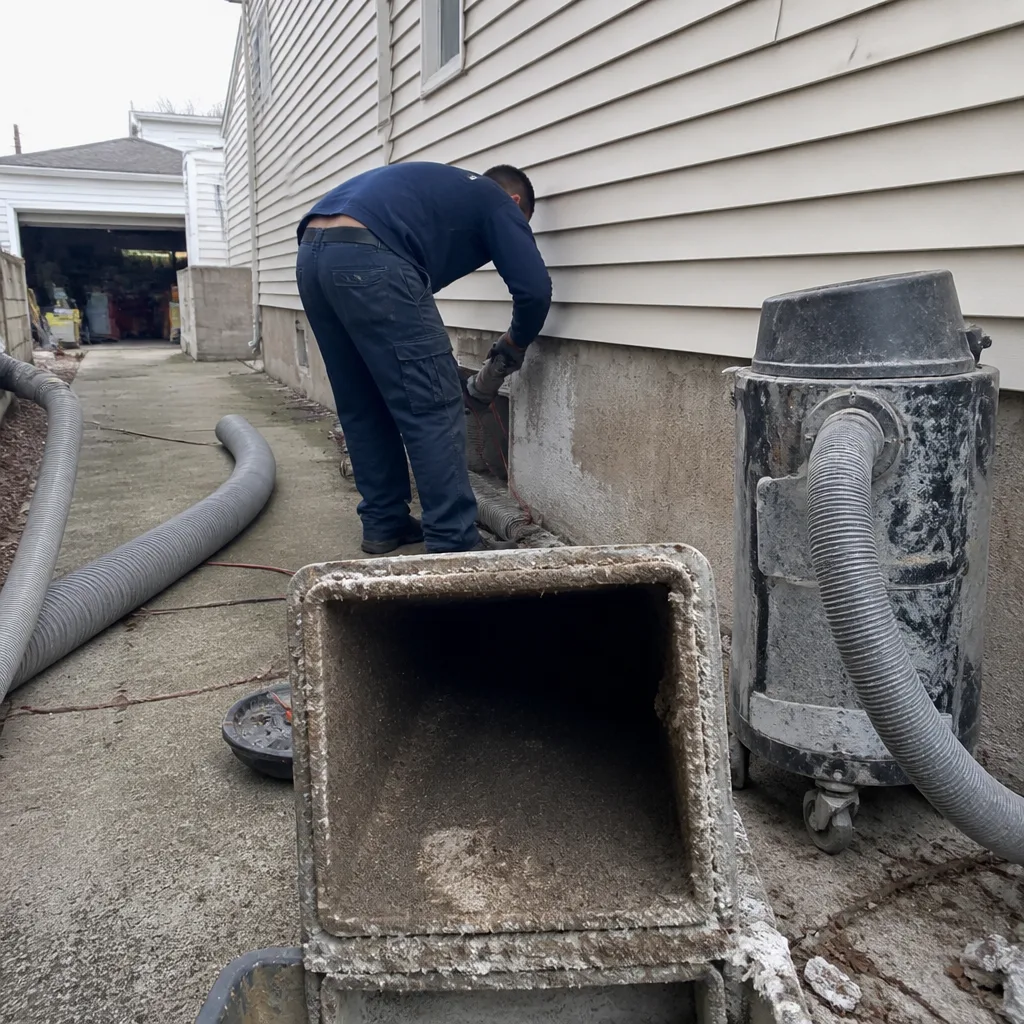 Before
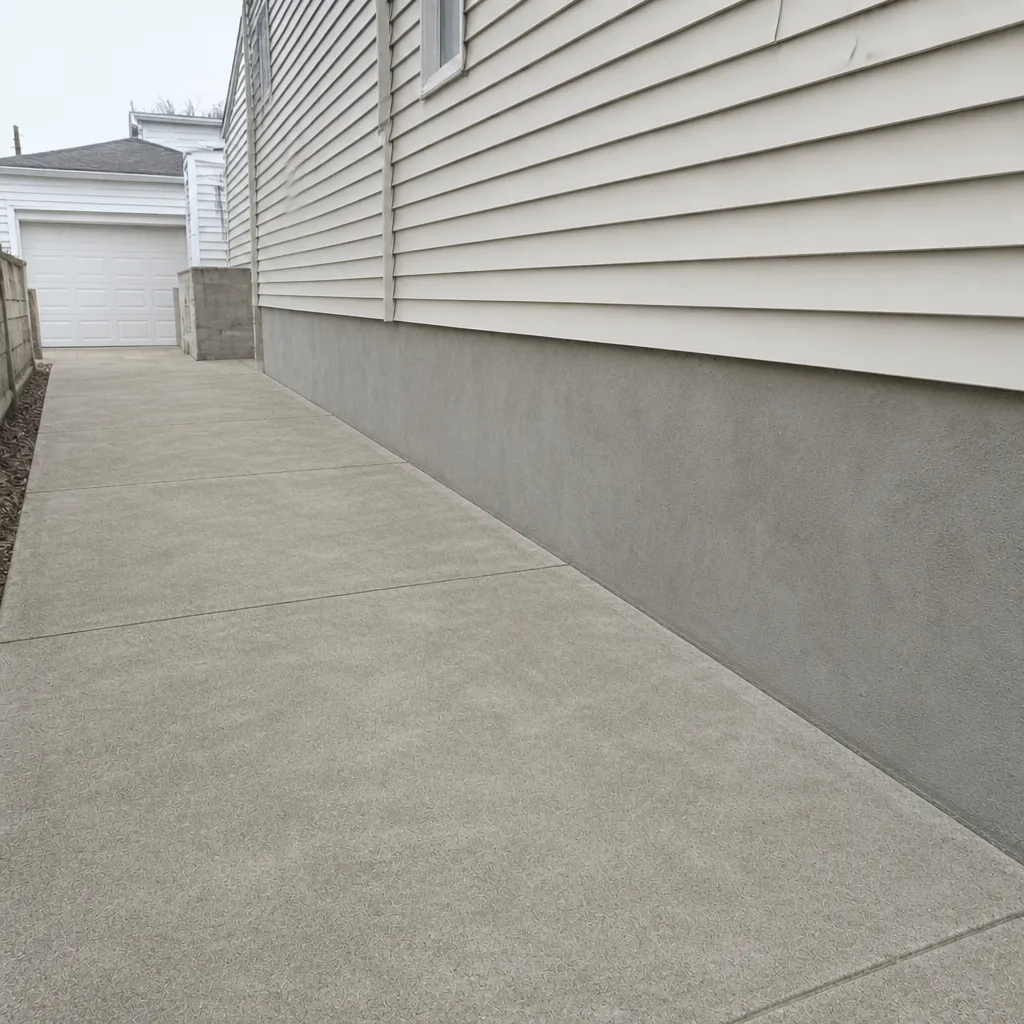 After
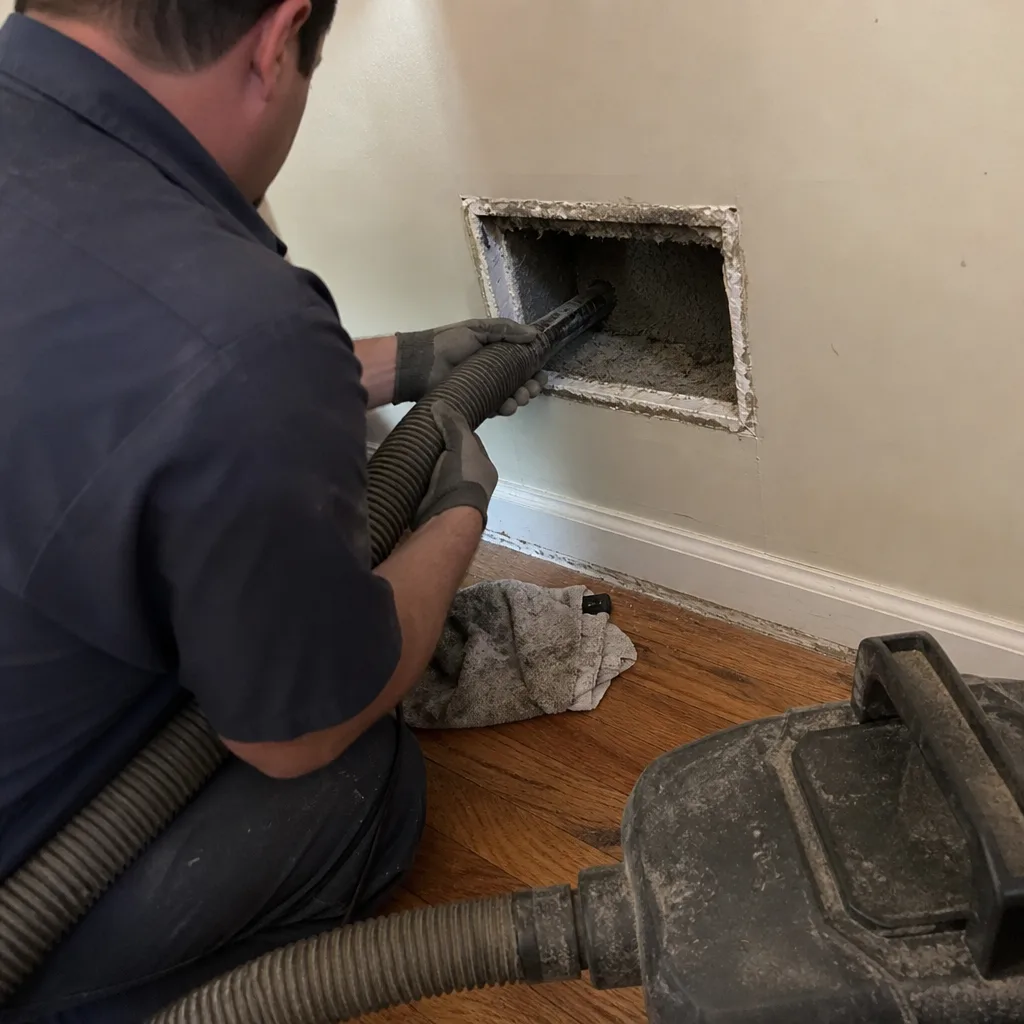 Before
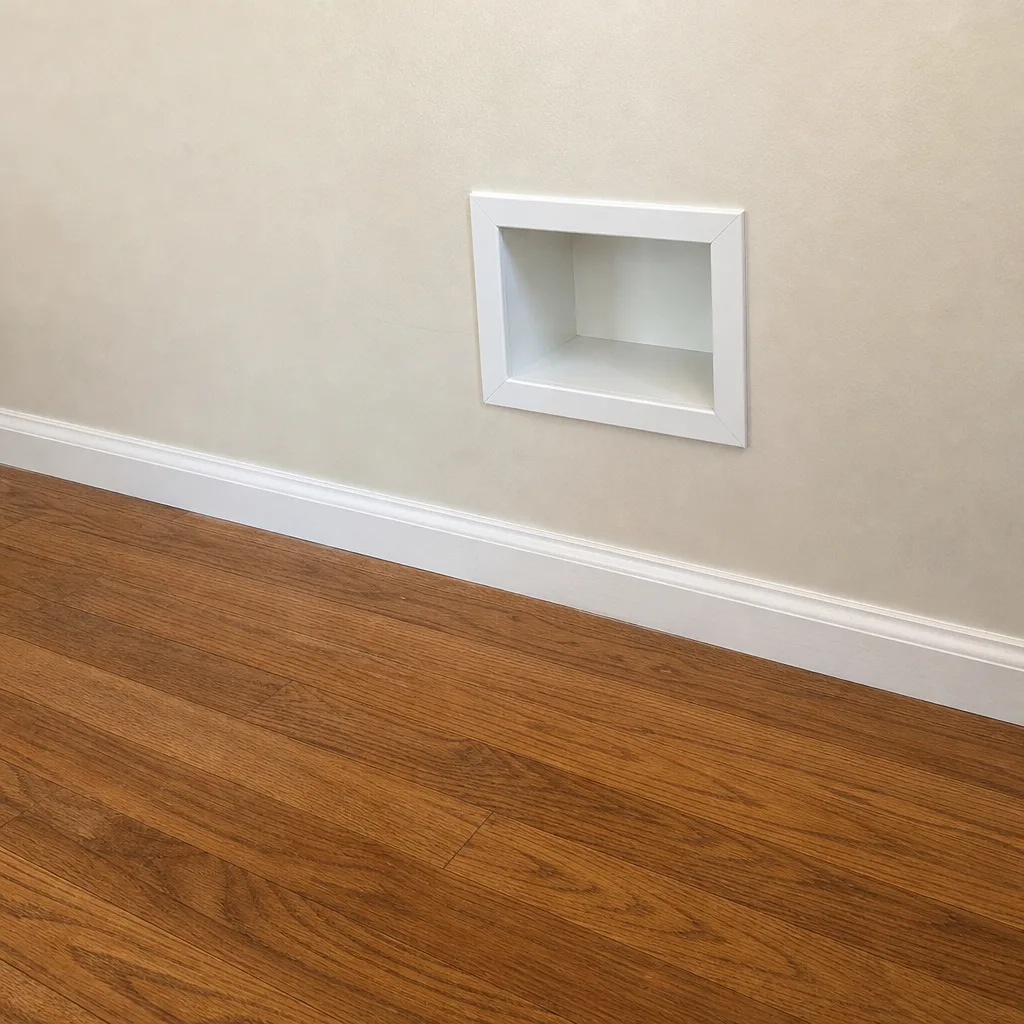 After
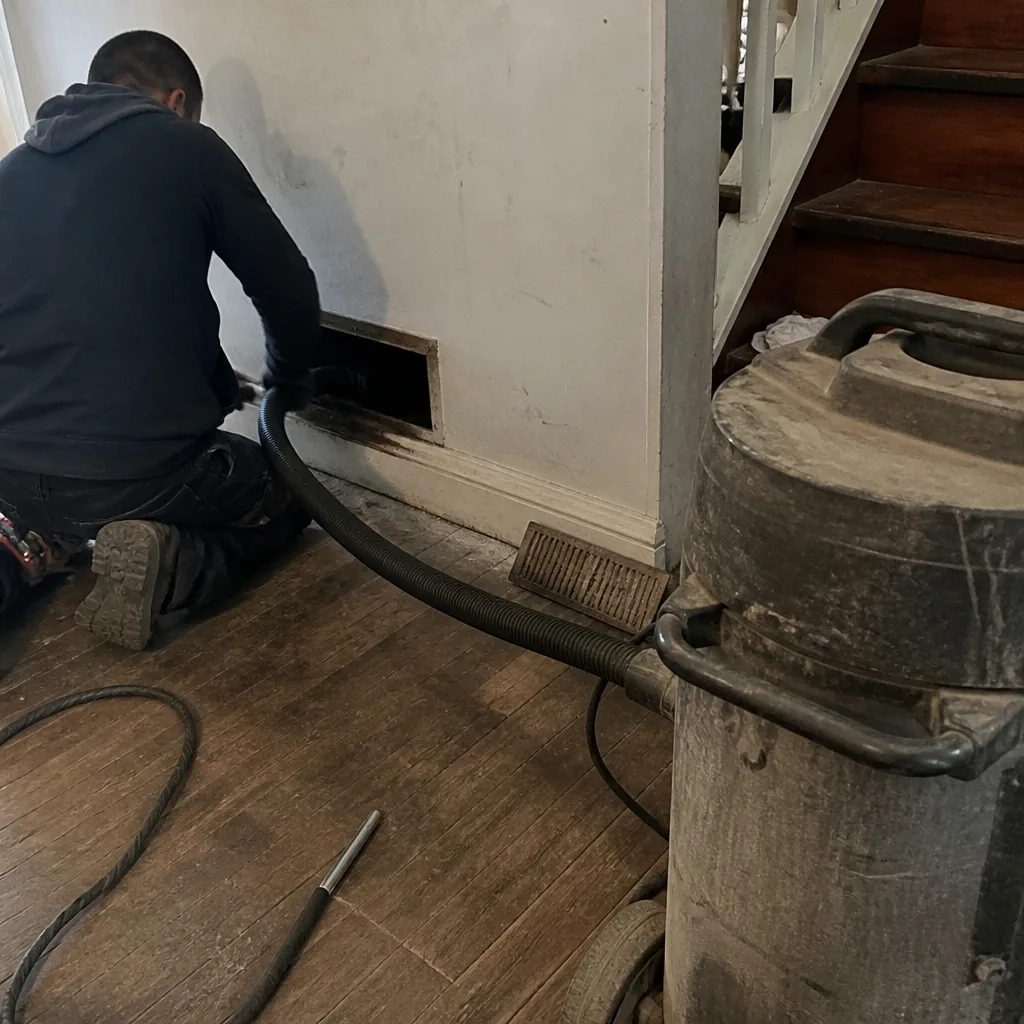 Before
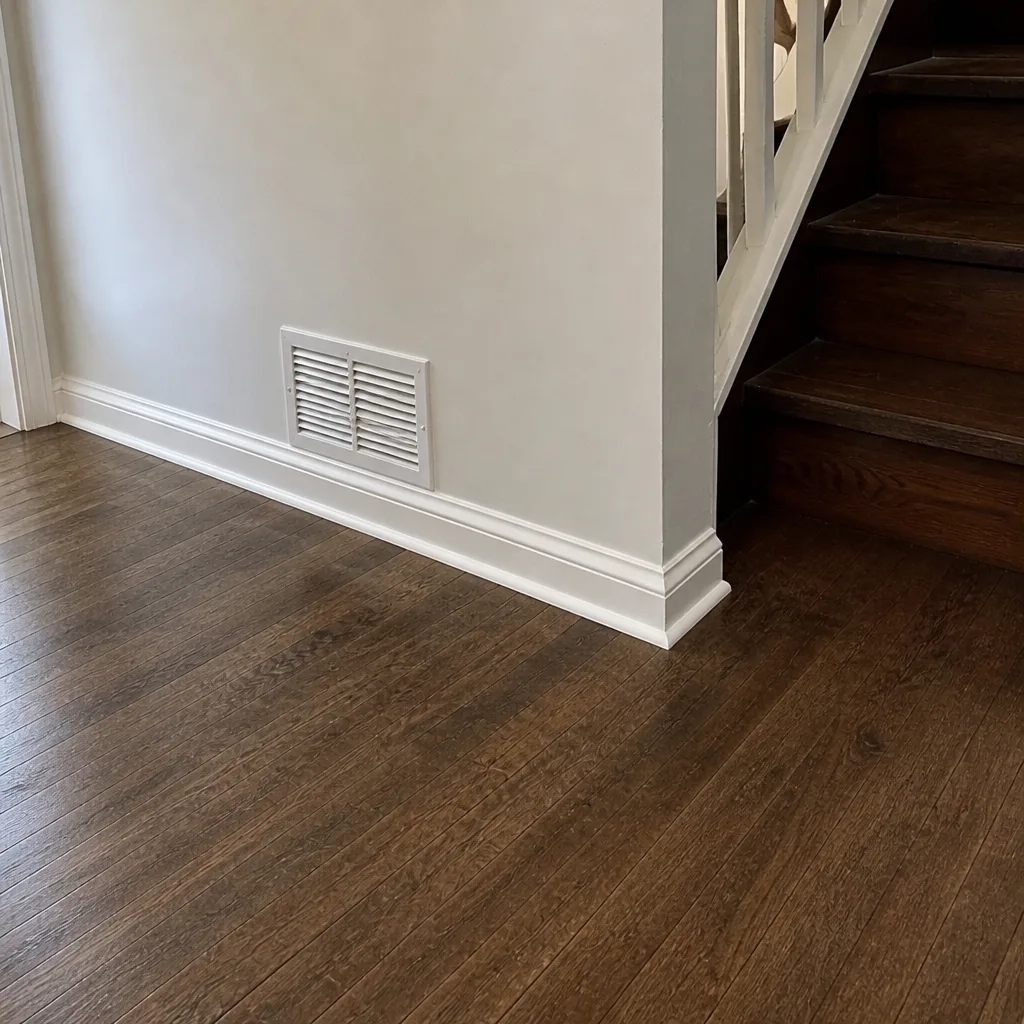 After
When to Call a Professional
You can inspect your own registers with a flashlight and call a professional when the picture is unclear. You should call when you’re seeing visible debris or growth, when dust returns to surfaces within a day of cleaning, when a musty smell follows the system through the house, or when anyone in the home has symptoms that track with the heat or AC running. Call when the dryer takes noticeably longer to dry clothes than it used to. Call before a renovation that will disturb ceiling or wall material, and call after one if the system ran while the dust was in the air.
What you shouldn’t do is guess at what’s happening inside the ductwork based on the outside of it. The duct interior holds the answer, and that requires equipment and access. Air Duct Cleaning South Ozone Park provides air duct cleaning with professional-grade equipment, plus dryer vent cleaning and HVAC cleaning for the full air pathway. Estimates are free. Call (833) 637-5806. We answer 24/7. Fast dispatch from 7am to 7pm, Sunday through Friday.
Frequently Asked Questions
For a standard single-family home, expect $525 to $750 in 2026. Converted two-families and larger homes typically run $650 to $950. Those ranges assume a professional job with rotary brush equipment, negative air, sanitizer, and post-clean verification. Anything under $300 for a whole-house job usually means a surface pass with portable equipment. Call (833) 637-5806 for an exact quote: estimates are free.
Because they’re usually quoting a different job under the same name. A low quote often covers supply registers only, uses a portable vacuum instead of a Nikro negative air machine, and takes under an hour rather than three to four. The low number is real, but so is the scope gap. Ask what equipment is used, how long the job takes, and whether returns and the trunk are included before comparing prices. Call (833) 637-5806 for a scope-based quote you can compare side by side.
Flat-rate pricing per system is usually the safer choice. Per-vent pricing at low advertised rates often ends with add-ons once the technician is on site, which is the pattern that drives the industry’s bait-and-switch reputation. A flat price agreed before work starts means the scope is fixed and the price doesn’t move because someone counted an extra register. Call (833) 637-5806 for a flat quote on your system.
Ask for before-and-after photos of your own ducts, not stock images, and look inside the access panels yourself after the job with a flashlight. A professional crew documents the work because the photos are their best advertisement. If you’re not shown the ducts, you have no way to verify. Call (833) 637-5806 to schedule a cleaning with documented before-and-after photos.
There’s no single interval that fits every home. Most South Ozone Park houses don’t need annual cleaning. The honest answer is that cleaning is warranted when there’s evidence: visible debris, dust returning within a day, musty odor when the system runs, symptoms that track with the HVAC running, or a recent renovation that pulled dust into the system. If none of those are present, you probably don’t need it yet. Call (833) 637-5806 if you’re unsure and want an honest read on whether cleaning is warranted.
Usually yes, and for legitimate reasons. Converted systems typically have more branches, more junctions, and more potential leaks at the transitions between original and added ductwork. That means longer cleaning time and a higher likelihood that sealing is part of the job. None of that is a markup; it’s the actual system. Call (833) 637-5806 and describe the layout for a straight quote that accounts for the conversion.
The Bottom Line
The duct cleaning market in South Ozone Park runs a wide price range because two different services are being sold under one label. One is a professional cleaning with rotary brush equipment, negative air, sanitizer, access panel work, and verification. The other is a surface pass with a portable vacuum. In 2026, the professional version runs $425 to $750 for most single-families and $650 to $950 for converted two-families. Anything under $300 is the other version. The way to read a quote is to ask three questions: what equipment, how long, and does the trunk and returns. If you get straight answers and before-and-after photos, you’re buying the real job. If you get “starting at” and a rotating UV light, you’re not.
We connect South Ozone Park homeowners with local professionals who use industry-recognized equipment, one flat price per system agreed before work starts, and documented before-and-after photos of your own ducts. Whether you’re ready to schedule, comparing quotes, or just want an honest assessment before committing, Air Duct Cleaning South Ozone Park is the place to start. Call (833) 637-5806 for a free estimate. We answer 24/7. Fast dispatch from 7am to 7pm, Sunday through Friday.
Written by the team at Air Duct Cleaning South Ozone Park.