
Last updated November 22, 2026
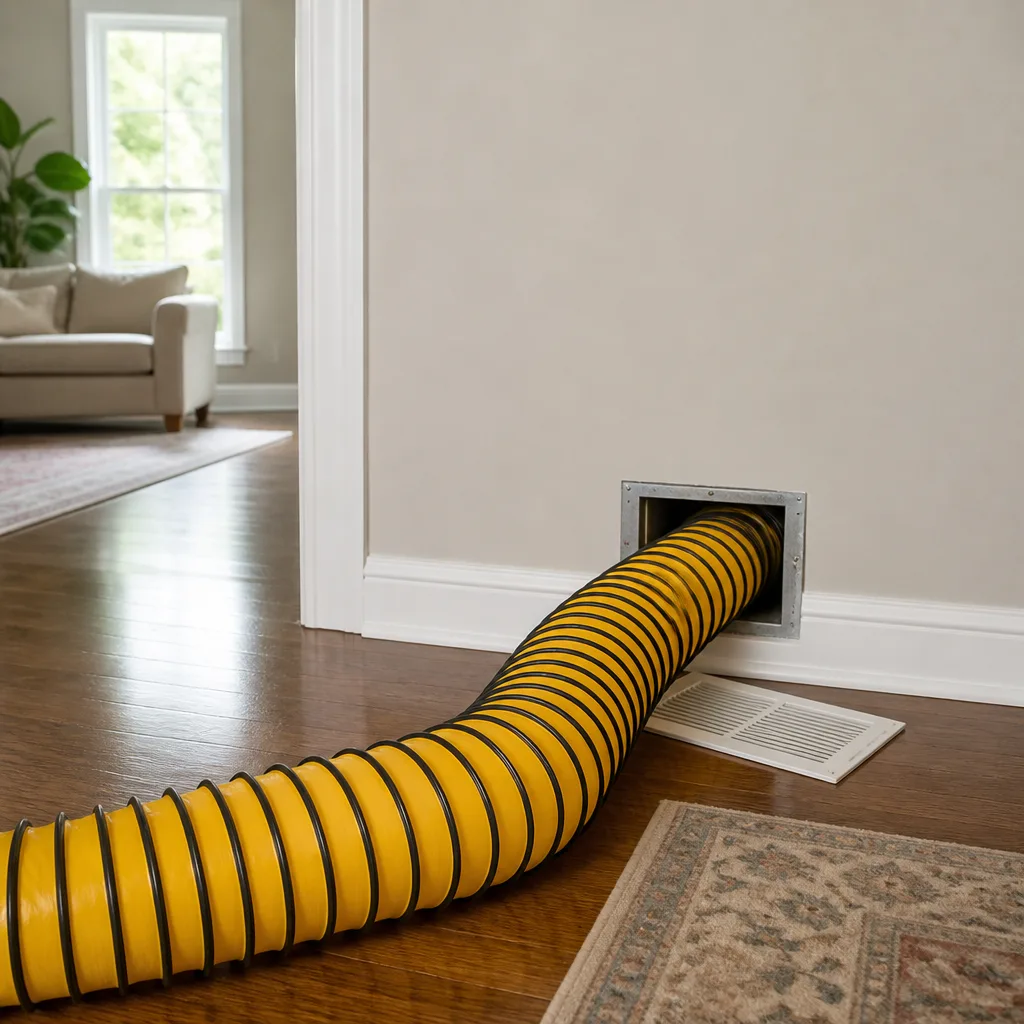 Whole-home duct cleaning
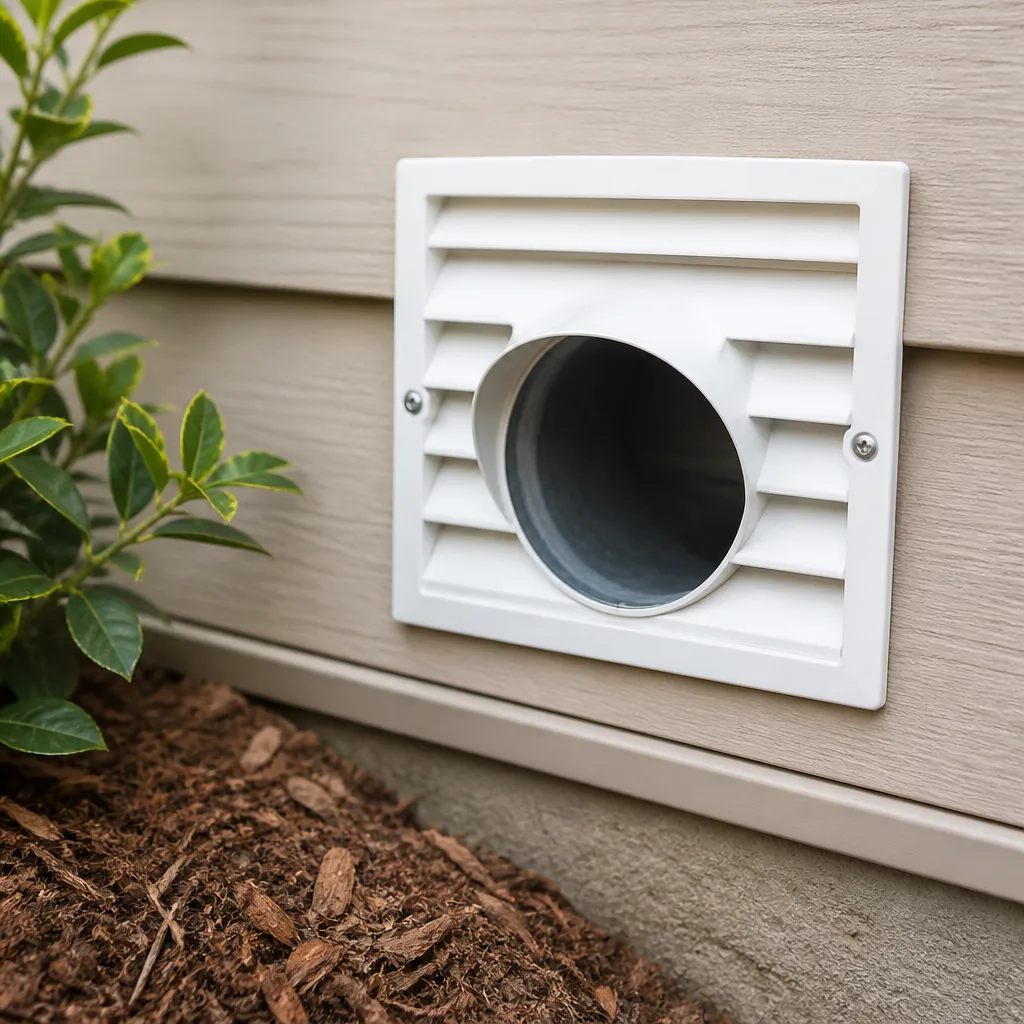 Dryer vent cleaning
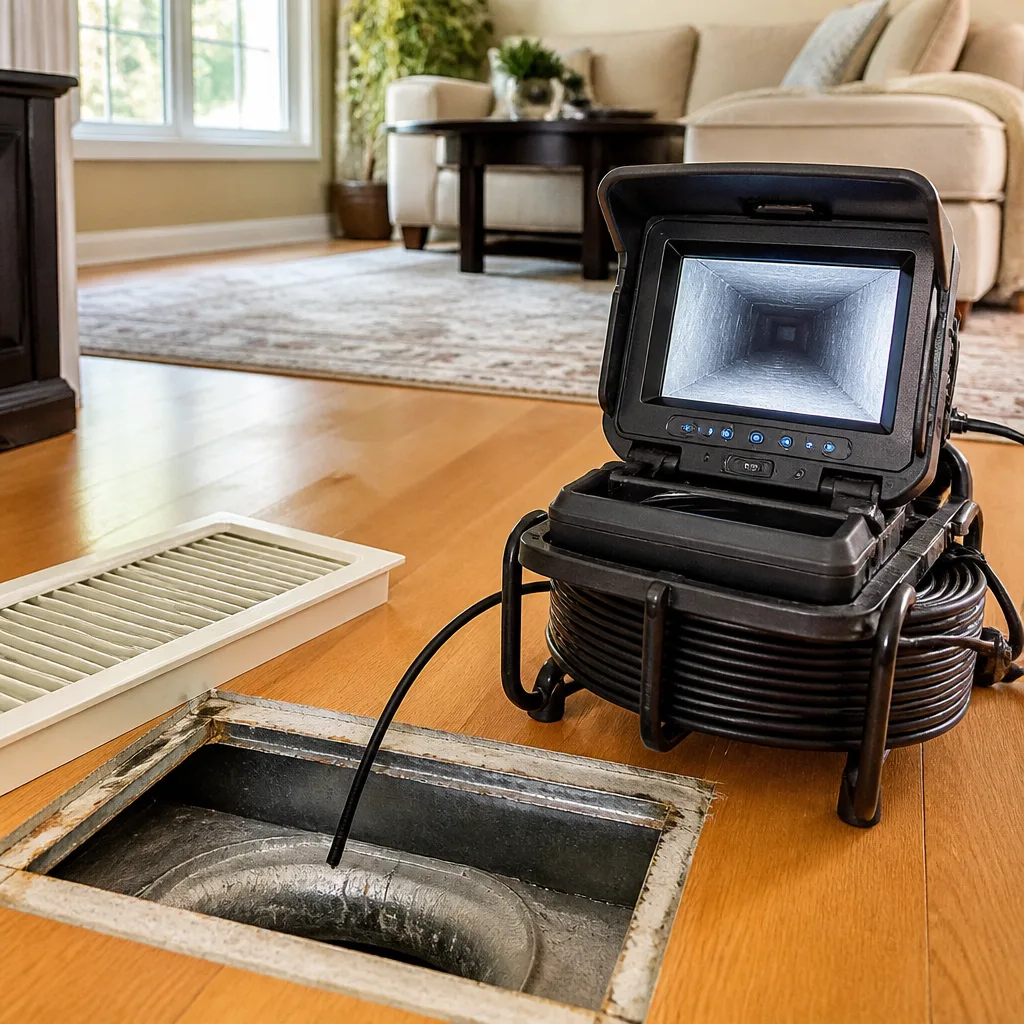 Camera inspection
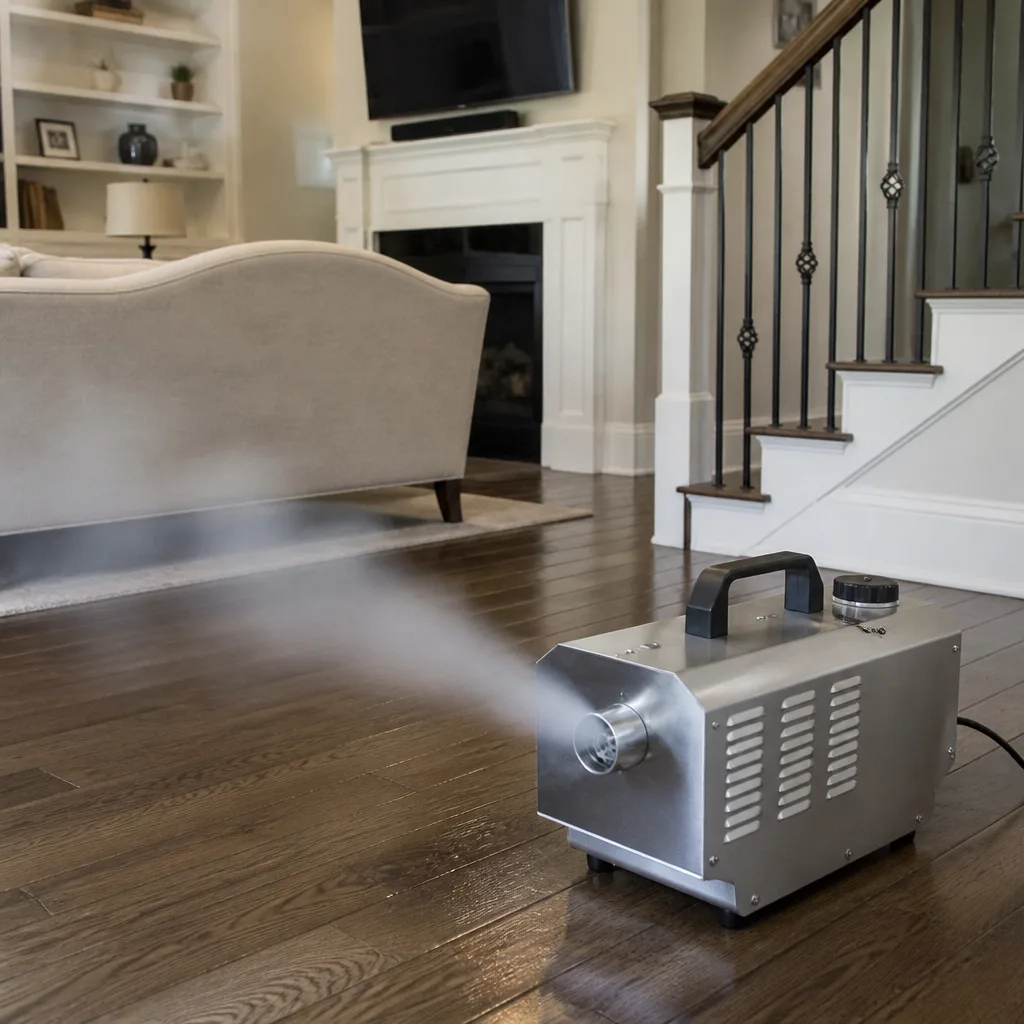 Sanitizing & deodorizing
Whole-system duct and dryer vent check with before-and-after photos - you see exactly what came out of your vents
That "$99 whole-house special" is a bait ad - the real number appears once they are in your hallway, or the "clean" is a shop-vac at the register. We photograph the inside of your ducts before and after instead.
Air Duct Cleaning Warning Signs: A South Ozone Park Homeowner’s Reference Guide
A musty smell when the heat kicks on isn’t always mold. In older South Ozone Park homes, that smell can come from a cracked heat exchanger or debris sitting in the combustion chamber, both of which mimic a duct problem from the register side. Get that diagnosis wrong and you spend money cleaning ducts that were never the issue, while the real problem keeps running every time the thermostat calls for heat. This guide connects specific observations to specific causes: which smells, dust patterns, and airflow changes point to ducts, which point to HVAC equipment, and which ones mean you stop reading and pick up the phone.
Quick Answer
Warning signs that your ducts need attention include a musty or burnt odor that changes with the HVAC cycle, dust returning to registers within days of cleaning, visible streaks near vents, uneven airflow between rooms, and pest evidence near foundation-level duct lines. The key skill is sorting duct symptoms from non-duct HVAC problems before you spend money, and visible mold at one register tells you far less than a camera view of the trunk line.
Styles & brands we work with
- Whole-home duct cleaning
- Dryer vent cleaning
- Camera inspection
- Sanitizing & deodorizing
Table of Contents
- Symptom-to-Cause: A Differential Diagnosis for South Ozone Park Homes
- Settling Dust vs. Active Contamination
- Warning Signs Specific to South Ozone Park’s Housing Stock
- What Visible Mold at a Register Does and Doesn’t Tell You
- Escalation Triggers: Immediate Service vs. Next Scheduled Cleaning
- Why South Ozone Park’s Climate Makes Certain Signs Seasonal
- What a Professional Inspection Actually Involves
- Common Mistakes to Avoid
Symptom-to-Cause: A Differential Diagnosis for South Ozone Park Homes
Most warning sign checklists stop at “musty odor.” That’s not useful, because different odors have different causes, and half of them don’t originate in the ducts at all. Here’s the mapping we use in the field, and it’s the same mapping we teach homeowners to work out on their own before they call. The goal isn’t self-diagnosis. It’s knowing what to describe when you call, and whether you’re calling about cleaning, repair, or equipment.
- Musty smell when heat comes on, fades after a few minutes: often dust burning off the heat exchanger on first start, but if it persists past 10 minutes, suspect condensation in the duct line or debris at the plenum.
- Burnt or metallic smell that correlates directly with heat: this is an equipment signal, not a duct signal. Cracked heat exchangers and combustion chamber debris are the two most common causes, and both need a qualified HVAC technician.
- Dust returns to registers within 3-5 days of a cleaning: active contamination being distributed, or a return-side leak pulling air from a crawl space or wall cavity.
- Dark streaks on walls or ceiling near supply registers: air leaking at the boot connection, not a duct interior problem.
- Cold rooms on interior walls, warm rooms near exterior walls: often a balance issue or crushed flex duct, not a cleanliness issue.
- Pest droppings or a sweet/sour smell in one part of the house: infiltration through a foundation-level penetration, common in South Ozone Park row houses where ducts run below slab.
- Dust concentrated in one room only, matching a return location: return-side contamination or damaged return trunk.
The pattern matters more than any single symptom. A musty smell plus dust returning in days is a duct story. A burnt smell tied to the heat cycle with no dust pattern is an equipment story. When the two overlap, the equipment gets checked first. That’s the difference between cleaning ducts and fixing the real problem.
Settling Dust vs. Active Contamination
Every house has dust at its registers. The question is whether that dust is arriving from the room or being pushed out from the system, because the two look similar to the eye and require completely different responses. A register that collects a thin even layer over three or four weeks is normal settling. A register that goes from clean to visibly coated in three days is being fed from somewhere.
Here’s how to tell the difference without touching anything inside the ductwork:
- Wipe one register completely clean with a damp cloth. Note the date. Leave every other register alone so nothing gets redistributed.
- Watch that register for four days. A faint even film is settling dust. A visible coat that forms unevenly, or streaks coming out of the grille slots, points to active distribution.
- Hold a tissue against the register while the fan runs. If the tissue flutters hard and the register also shows heavy dust, the system is moving contaminated air. If it flutters weakly, you may have a balancing or duct-size problem alongside the dust.
- Check the return grille. Returns collect far more than supplies. A heavily coated return with clean supplies suggests the system is picking up dust from a return leak, not distributing it from the trunk.
One more sign people miss: dust that’s grey and fluffy is usually soft residential dust. Dust that’s dark, sandy, or includes small grit is often pulled from a crawl space, a wall cavity, or a basement. In South Ozone Park homes, that second kind is the one that points to a leak that needs sealing, not a duct that needs vacuuming. Repair first, clean second. Cleaning a leaking system without sealing it means you’ll be back to the same register in a few weeks.
Warning Signs Specific to South Ozone Park’s Housing Stock
South Ozone Park is built largely on row houses and small apartment buildings, many of them older construction where ducts were installed after the fact or run through slab and framing cavities. That has consequences for duct hygiene that don’t show up in a generic checklist written for a suburban ranch.
The signs worth watching for here:
- Foundation-level duct penetrations: in row houses where the duct runs below the slab or through a foundation wall, any crack at the penetration is an open door for insects and rodents. Look for droppings, grease trails, or a sweet-sour smell near the lowest register.
- Shared wall chases: in row houses, ducts often run inside a chase shared with the neighboring unit. A musty smell in one room of one house with no visible leak sometimes traces back to a chase that isn’t sealed at the party wall.
- Return ducts above ceilings: older South Ozone Park homes often have return air drawn through a stud cavity. That cavity is unfiltered and open to attic or roof space, so the return delivers whatever that space contains.
- Hot-water radiator conversions: many homes here were originally radiator-heated and later had ductwork added. The new ducts are often undersized or run along walls that stay cold through winter, which encourages condensation and mold at the boot.
- Basement and cellar registers: when a system serves a below-grade room, the register is closer to the ground and closer to pest entry points. That register is often the first place a warning sign appears.
If you live in South Ozone Park and you’re seeing any of these, don’t wait for the smell to get worse. The equipment matters as much as the timing here: a professional cleaning with a rotary brush system and a negative-pressure filtration unit is what catches this type of problem, not a shop vac. If you want to see what the full air duct cleaning process covers, that page describes the sequence from source side to register side.
What Visible Mold at a Register Does and Doesn’t Tell You
Visible mold at a register tells you one thing: there is mold inside the boot, the duct mouth, or the register grille. It does not tell you where the moisture that fed it came from, and it does not tell you how far the growth extends. The only way to know scope is a camera inspection of the trunk line, and that’s a step a lot of duct cleaners skip entirely because they’ve already quoted a job.
Here’s what visible mold at the register actually means, broken down:
- It does tell you: there’s a moisture source nearby. Somewhere within a few feet of that register, there’s either condensation, a leak, or an insufficiently sealed penetration.
- It doesn’t tell you: whether the trunk line is affected. Mold near a boot can stay local for a long time, or it can spread the whole length of the trunk. You can’t tell by looking.
- It doesn’t tell you: whether sanitizing is the right response or repair is. Sanitizing kills surface growth. If the moisture source stays, the growth returns.
- It does tell you: that a cleaning without a dehumidification or sealing step afterward will likely fail. The mold comes back because the conditions are still there.
Camera inspection of the trunk line is what separates a real diagnosis from a guess. In our experience with South Ozone Park homes, the register with visible mold is rarely the only one. It’s just the one that got noticed. The full sequence should be: camera down the main trunk, identify the moisture source, seal the source, then sanitize the affected sections using a product suitable for HVAC surfaces. The air quality and sanitizing step addresses the microbial growth; the duct repair and sealing step addresses why it grew in the first place. Skipping either one leaves the job half done.
Escalation Triggers: Immediate Service vs. Next Scheduled Cleaning
Not every warning sign needs a call today. Most don’t, and treating all of them as urgent wastes money and makes you easier to sell to. These are the triggers we tell homeowners to sort by, in order of urgency.
Call now, before the next heating or cooling cycle:
- Burnt or metallic smell that appears every time the heat runs and stays past ten minutes. This is an equipment signal and it needs a qualified HVAC technician, not a duct cleaner.
- Pest droppings visible at any register or in the return grille.
- Any moisture visible inside the ductwork, or standing water in the plenum.
- Dryer vent exhaust that has visible lint buildup at the outside flap, or a dryer that runs a full cycle without drying clothes. This is a fire risk and it should be booked immediately.
Book within the next couple of weeks:
- Dust returning to a register within several days of a wipe-down.
- Uneven airflow between rooms that wasn’t there last season.
- Visible mold at a single register without an obvious moisture source.
- Rising dust in a home that just finished a renovation or new flooring.
Add to your next scheduled cleaning:
- Gradual dust accumulation at registers that’s been building for months.
- Light, general mustiness that fades when the fan stops.
- Rooms that feel slightly stuffier than others with no airflow change.
In the interim, before any service call, there’s one useful thing you can do: change the air filter if it’s due. A clogged filter makes almost every sign on this list look worse than it is, and swapping it tells you within a day whether the problem was upstream or downstream of the filter. It’s the cheapest diagnostic step available. Beyond that, resist the urge to spray the register with anything or block it off. Neither helps and both confuse the diagnosis.
Why South Ozone Park’s Climate Makes Certain Signs Seasonal
South Ozone Park runs on a humid summer and a cold, dry winter. That rhythm matters, because duct warning signs appear on a different calendar than they would in a drier or a milder climate. Homeowners here sometimes think a problem has gone away in October when it’s really just waiting for the heating season.
Summer is when moisture shows up. Air conditioned supply air is cold, and any duct surface in an unconditioned space will condense on it. That’s when a small unsealed penetration or an undersized boot starts feeding mold. If you’ve ever noticed a musty smell in July or August that disappears in the fall, that’s not your imagination. It’s condensation biology, and it comes back every summer until the source is sealed.
Winter is when dust and airflow problems show up. The heating cycle runs longer, the air is drier, and static cling pushes fine dust toward register faces. That’s when uneven airflow becomes obvious, and when a crushed or disconnected duct on the heating side reveals itself because one room stays cold all season. Dryer vent issues also tend to surface in winter: lint that was manageable in humid air becomes brittle and stacks up faster in a dry heated house.
That’s why we recommend a scheduled look at the whole system in fall, before the heating season. Cleaning, checking for leaks, and confirming the dryer vent is clear in the same visit catches the seasonal problems before they start. If you want the seasonal timing broken down against the full scope of the work, the HVAC cleaning page covers the mechanical side of it in more detail. For the vent that most people forget until the dryer complains, dryer vent cleaning is worth scheduling alongside your fall checkup.
What a Professional Inspection Actually Involves
A real inspection is diagnostic before it’s cleaning. If someone arrives and starts running a vacuum before they’ve looked at anything, they’ve skipped the step that determines whether you’re paying for cleaning, repair, or neither. Here’s the sequence we use, and it’s the one to expect from any qualified provider.
- Conversation first. Which signs, which rooms, how long. This is where the differential diagnosis from earlier in this guide gets applied.
- Filter and equipment check. Filter condition, blower wheel, heat exchanger inspection on the equipment side. Anything that looks like an equipment problem gets flagged before duct work begins.
- Source-side inspection. Camera down the main trunk, look at the plenum, look at the return side. This is where scope gets determined and where repair needs surface.
- Register-side inspection. Every supply and return, noting the difference between settling dust, active contamination, and boot leaks.
- Negative-pressure setup. A filtration unit like an Abatement Technologies HEPA machine runs during the entire cleaning so anything dislodged is captured as it comes out, not pushed back into the rooms.
- Cleaning. A rotary brush system like a Rotobrush for the duct walls, plus a high-powered vacuum unit like a Nikro for the plenum and trunk. The tool matches the surface; a brush designed for one job doesn’t clean another.
- Repair and sealing where needed. Leaks at boot connections, disconnected runs, and penetrations get sealed while the system is open. Cleaning without this step is half a job.
- Sanitizing if indicated. Surface application of an HVAC-compatible product where microbial growth was confirmed by inspection, not just suspected.
- Before-and-after documentation. Photos of your own ducts, taken through the inspection point. Not stock photos.
A clean system is only part of the picture. If you want to keep it clean, the long-term answer is filtration and air quality products like Honeywell or Aprilaire equipment integrated at the system level. That’s the difference between cleaning and staying clean. If you’re in South Ozone Park and want the whole sequence walked through on your own system, the fastest route is to book a free estimate and describe what you’ve been noticing. The air duct cleaning South Ozone Park page has the contact path.
Common Mistakes to Avoid
- Assuming a musty smell means mold in the ducts. In a South Ozone Park row house, it’s sometimes a cracked heat exchanger or debris in the combustion chamber. Get the equipment checked before going after the ducts.
- Paying for a cleaning without a camera inspection. If nobody looked inside the trunk line, nobody knows what’s there. The quote should be based on what was found, not a flat assumption.
- Cleaning without sealing. A duct that leaks still leaks after the vacuum leaves. The dust comes back and the money is spent.
- Skipping the dryer vent. Homeowners often book the ducts and forget the vent above the dryer, and that vent has its own fire risk. It should be booked with the main cleaning, not as an afterthought.
- Spraying a register with a disinfectant from the hardware store. An aerosol doesn’t kill what’s behind the register and can introduce new chemistry into the system. Sanitizing is a surface process done after cleaning, with products meant for HVAC interiors.
- Blocking a room’s register to “fix” uneven airflow. This rarely helps and it changes static pressure across the whole system. The right approach is to find the cause, not to cap the symptom.
- Going with the lowest coupon price without asking what’s included. A coupon that covers only the main trunk and skips the returns, boots, and plenum doesn’t fix the problem. Ask what’s actually being cleaned before you compare.
See the difference
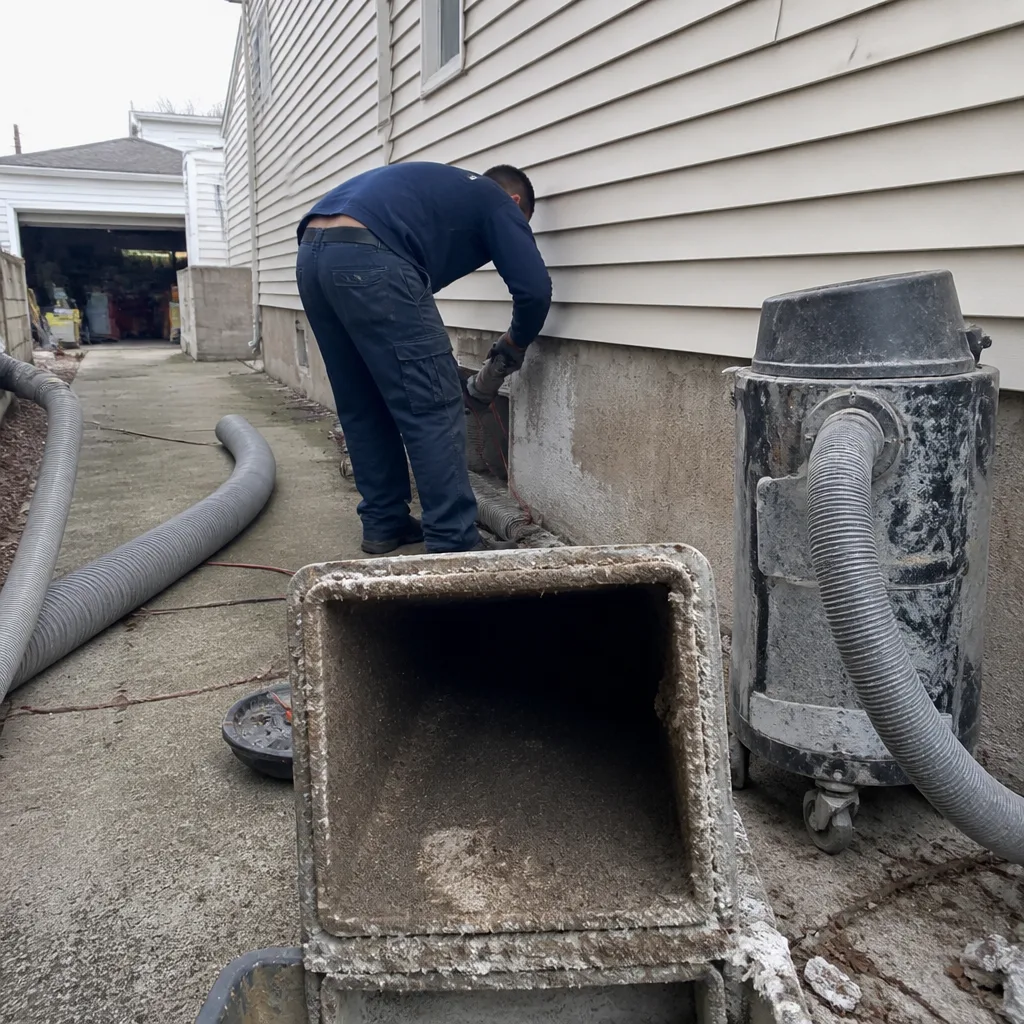 Before
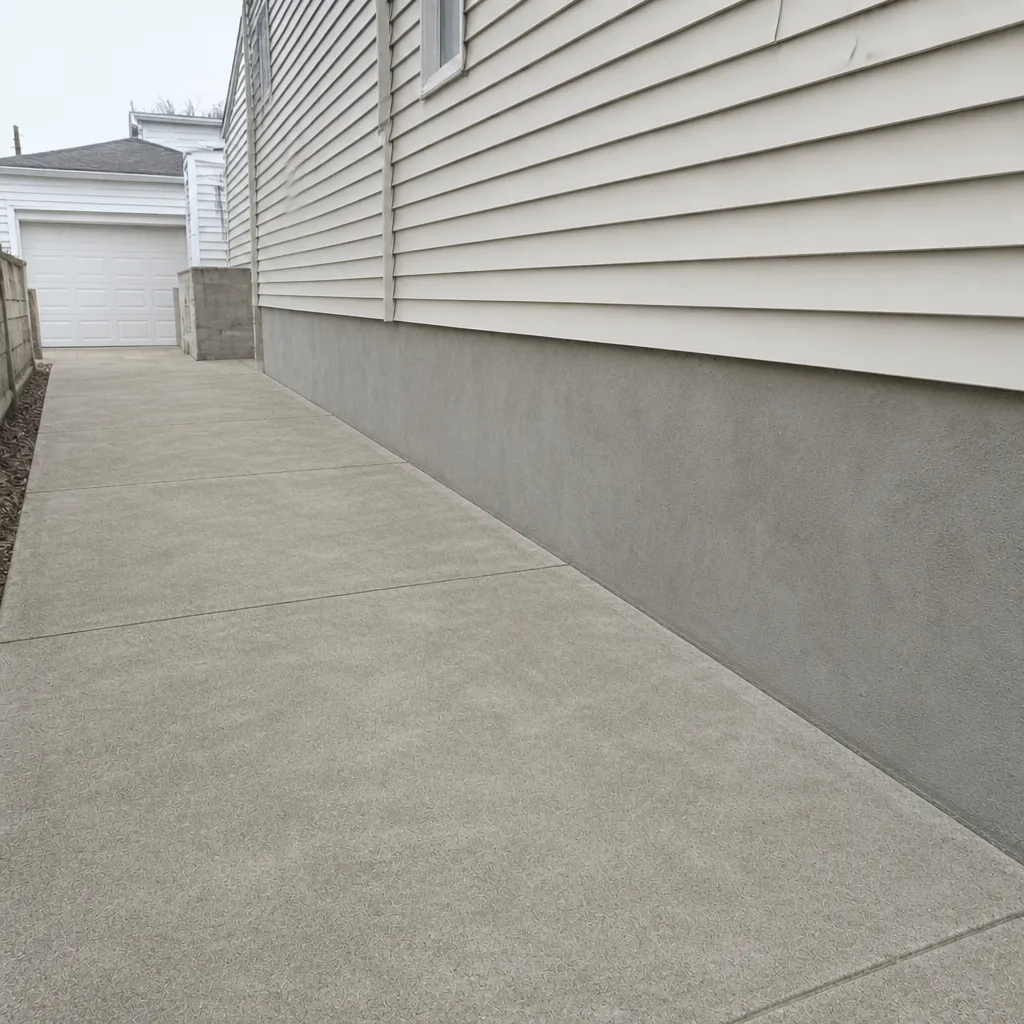 After
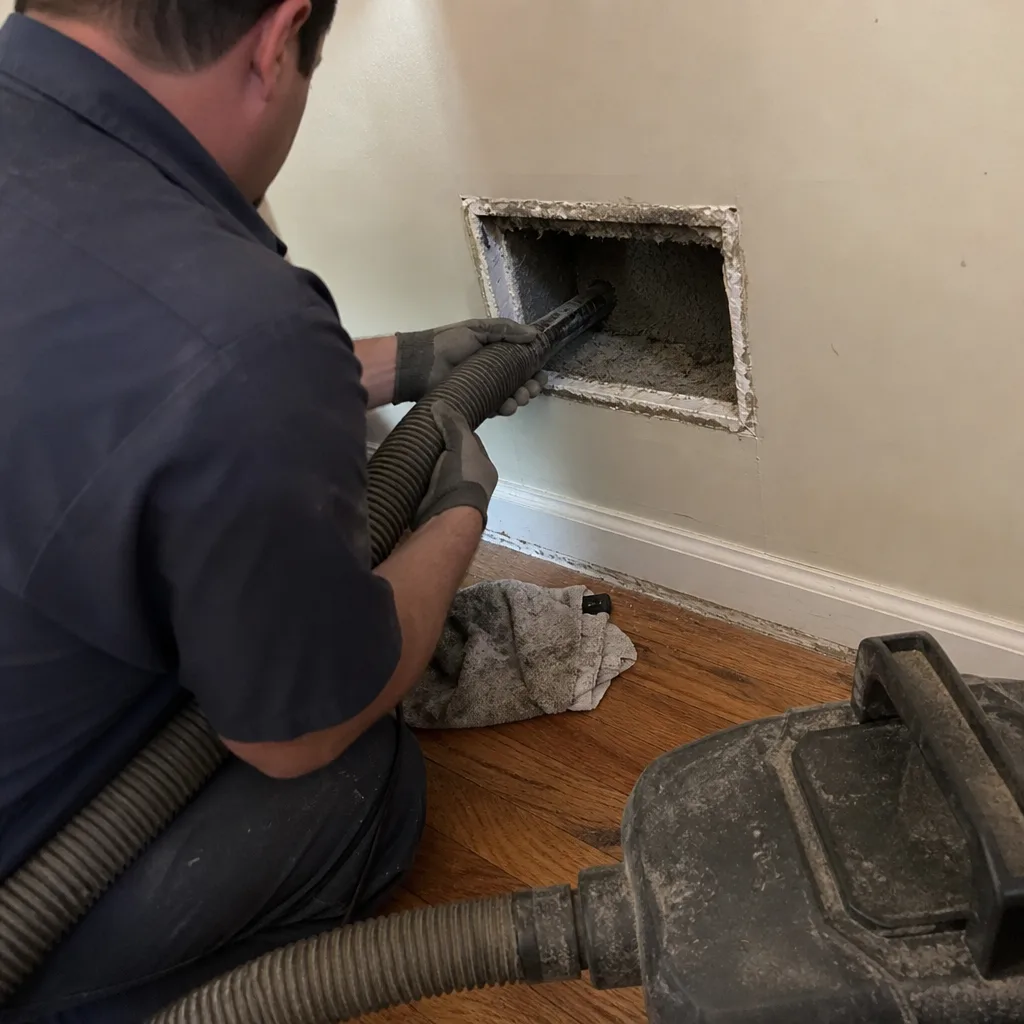 Before
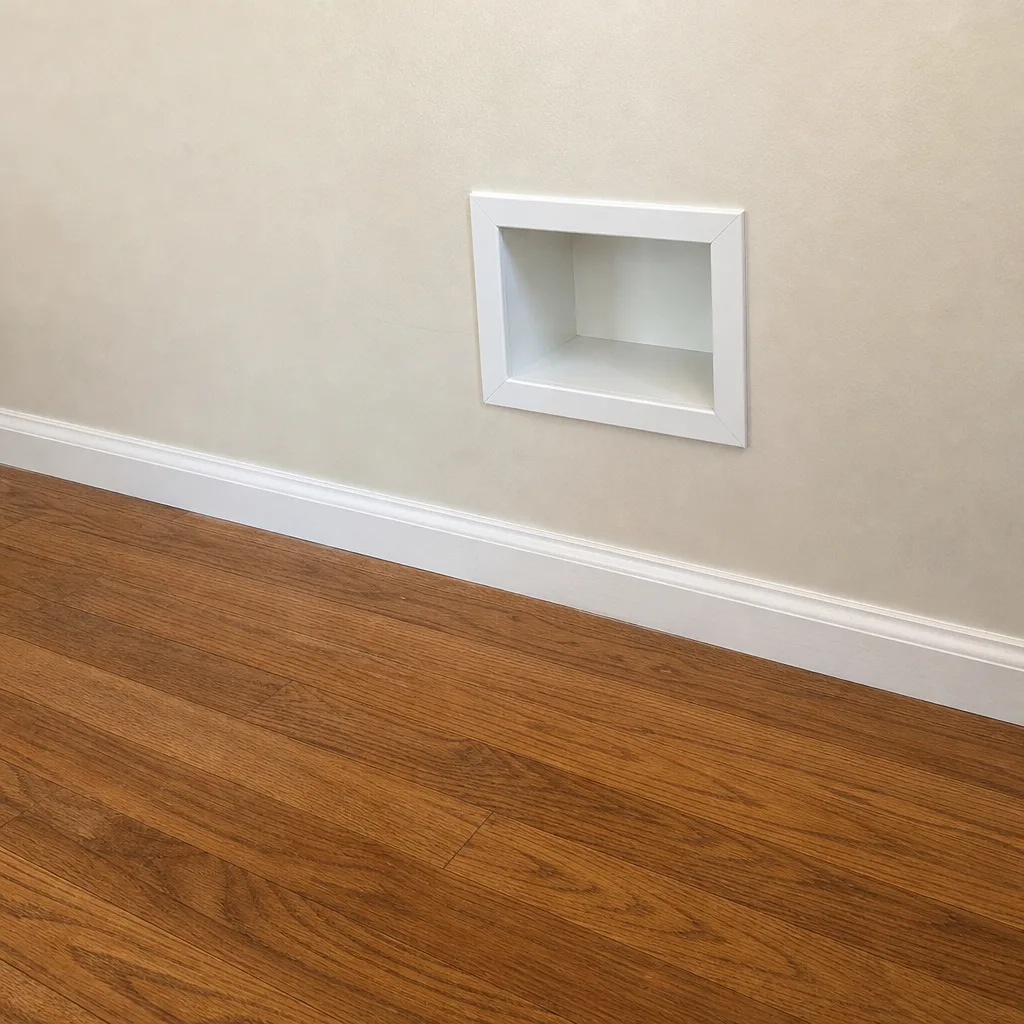 After
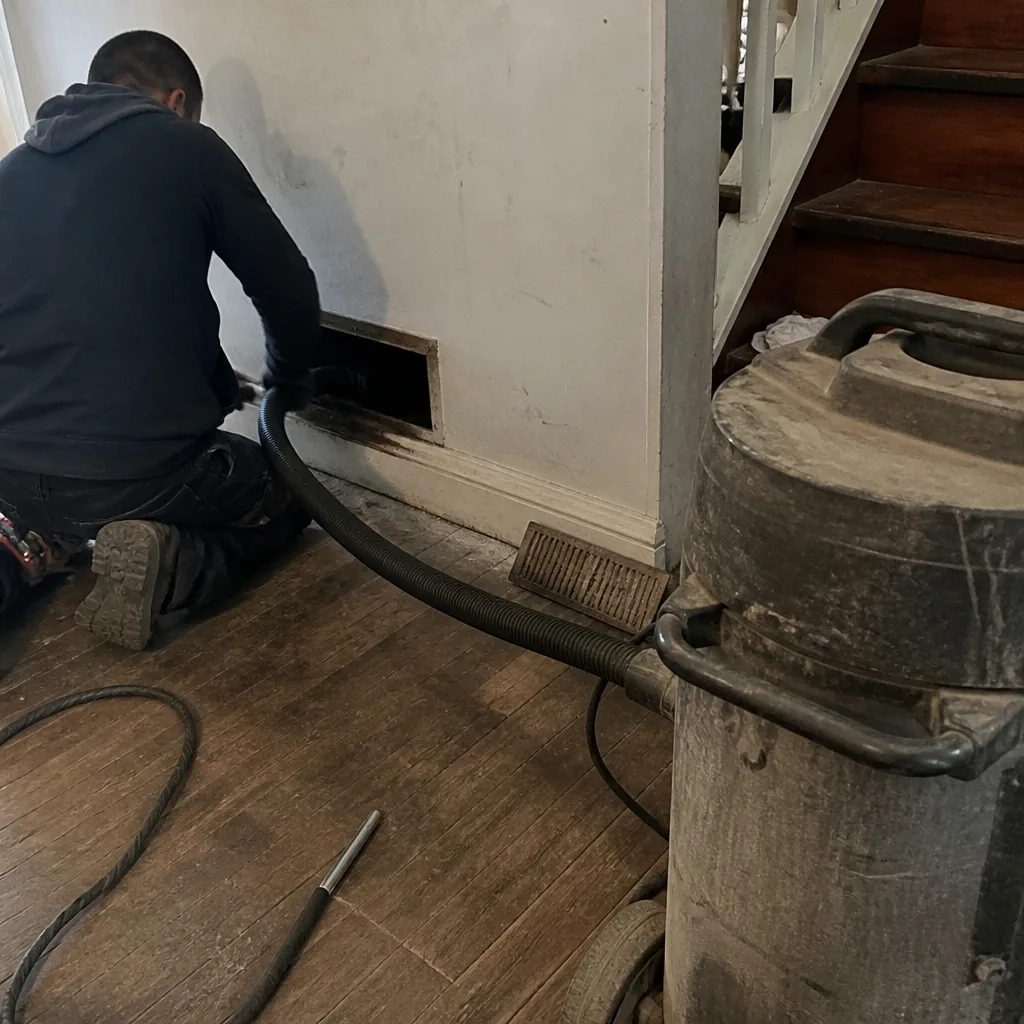 Before
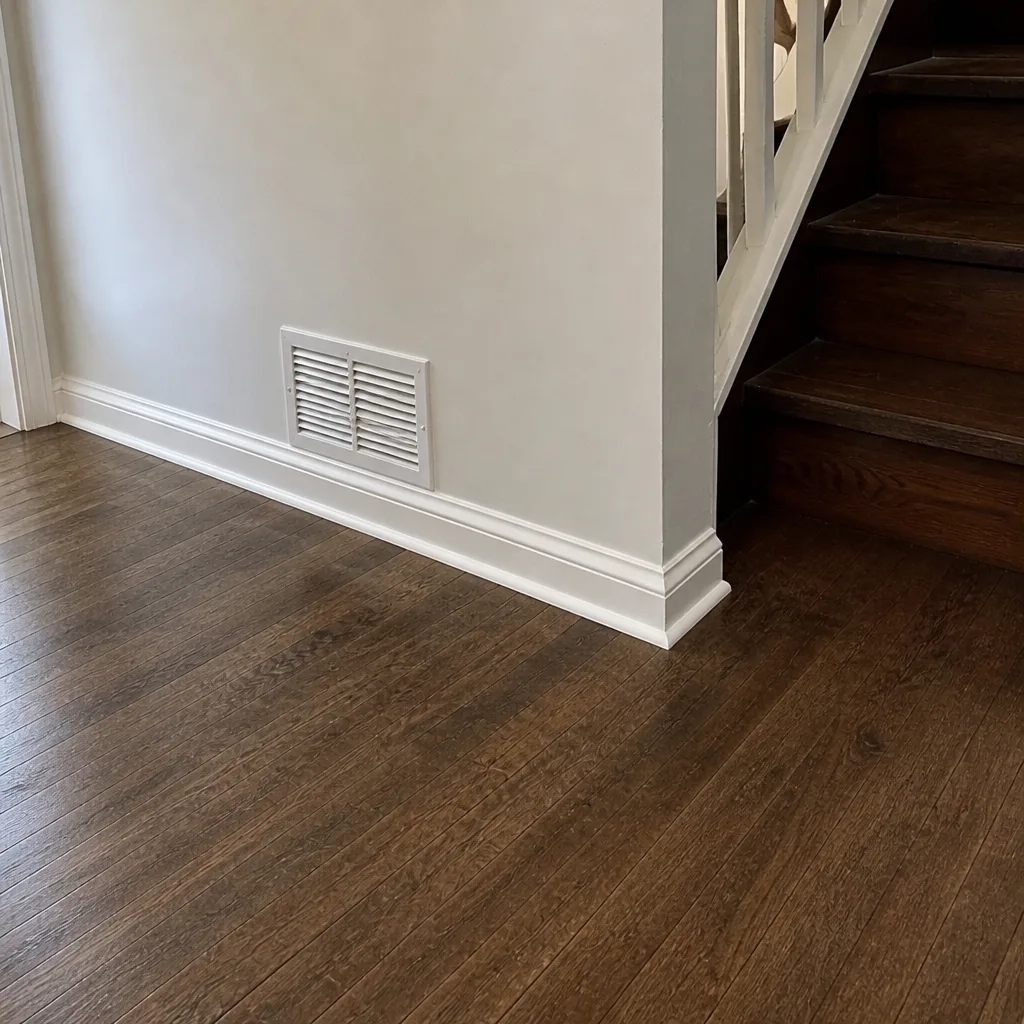 After
When to Call a Professional
Call when you’ve got an equipment signal and a duct signal at the same time, when you can see pest evidence in a return, when visible mold is at more than one register, or when dust is coming back to a register within days. Call when the dryer vent flap hasn’t been clear in a season. Call when you’re not sure and want a straight diagnosis rather than a sales pitch. Air Duct Cleaning South Ozone Park offers free estimates in South Ozone Park, and the plan starts at the source: what’s actually causing the symptom, then what it takes to fix it. Multi-unit property managers here can also ask for a walkthrough of multiple systems in the same building. Call (833) 637-5806. We answer 24/7. Fast dispatch from 7am to 7pm, Sunday through Friday.
Frequently Asked Questions
Start with the smell and the timing. A burnt or metallic smell tied directly to the heating cycle is an equipment signal and needs a qualified HVAC technician. A musty smell with dust returning to registers within days of a wipe-down is a duct signal. When both appear, the equipment gets checked first. Call (833) 637-5806 for a diagnosis if you’re stuck on which one applies.
It’s a moisture signal more than a scope answer. Visible mold at one register means there’s a moisture source within a few feet of that boot, but it doesn’t tell you whether the trunk line is affected. Camera inspection of the trunk is the only way to know. If you’re seeing it at more than one register, book that inspection rather than guessing at the extent.
Condensation. Air-conditioned supply air is cold, and duct surfaces in unconditioned space in South Ozone Park’s humid summers condense moisture on them. The moisture feeds surface growth, which produces the smell. It fades when the AC stops running and comes back next summer until the source is sealed. A camera inspection plus a sealing step is the durable fix.
For most homes, every few years is enough, and many systems stretch longer if the filter is well-maintained. Houses with pets, recent renovation, or a smoking history may need it more often. The better rule is symptom-driven rather than calendar-driven. If you’re seeing the warning signs in this guide, don’t wait for a scheduled interval. Call for an estimate and confirm with a camera inspection.
Usually because they cover less. A low quote often means only the main trunk, with returns, boots, and plenum left alone, or no camera inspection and no repair or sealing included. A proper job uses a rotary brush and a filtration unit, includes the full air pathway, and documents the work with before-and-after photos of your own system. Ask what’s included before comparing prices.
Ask for photos of your own ducts, not stock images, and ask them to describe what they saw in the inspection. A provider that can walk you through the diagnosis is usually the one that did the work. We’d suggest avoiding anyone who quotes before inspecting. Call (833) 637-5806 for a free estimate and ask for before-and-after documentation of your own system.
The Bottom Line
The most useful thing you can do with a warning sign is describe it precisely. A musty odor that fades when the fan stops is not the same problem as a burnt smell tied to the heat cycle, and it isn’t the same as dust that returns to a register in three days. Sort the symptom first. If it points to equipment, get a qualified HVAC technician. If it points to ducts, get a camera inspection before anyone quotes a cleaning. And if it points to both, the equipment gets checked first. That’s the whole approach, and it’s the one that keeps South Ozone Park homeowners from paying for the wrong service. If you want a straight diagnosis, the call is the fastest route.
Written by the team at Air Duct Cleaning South Ozone Park.