
Last updated November 22, 2026
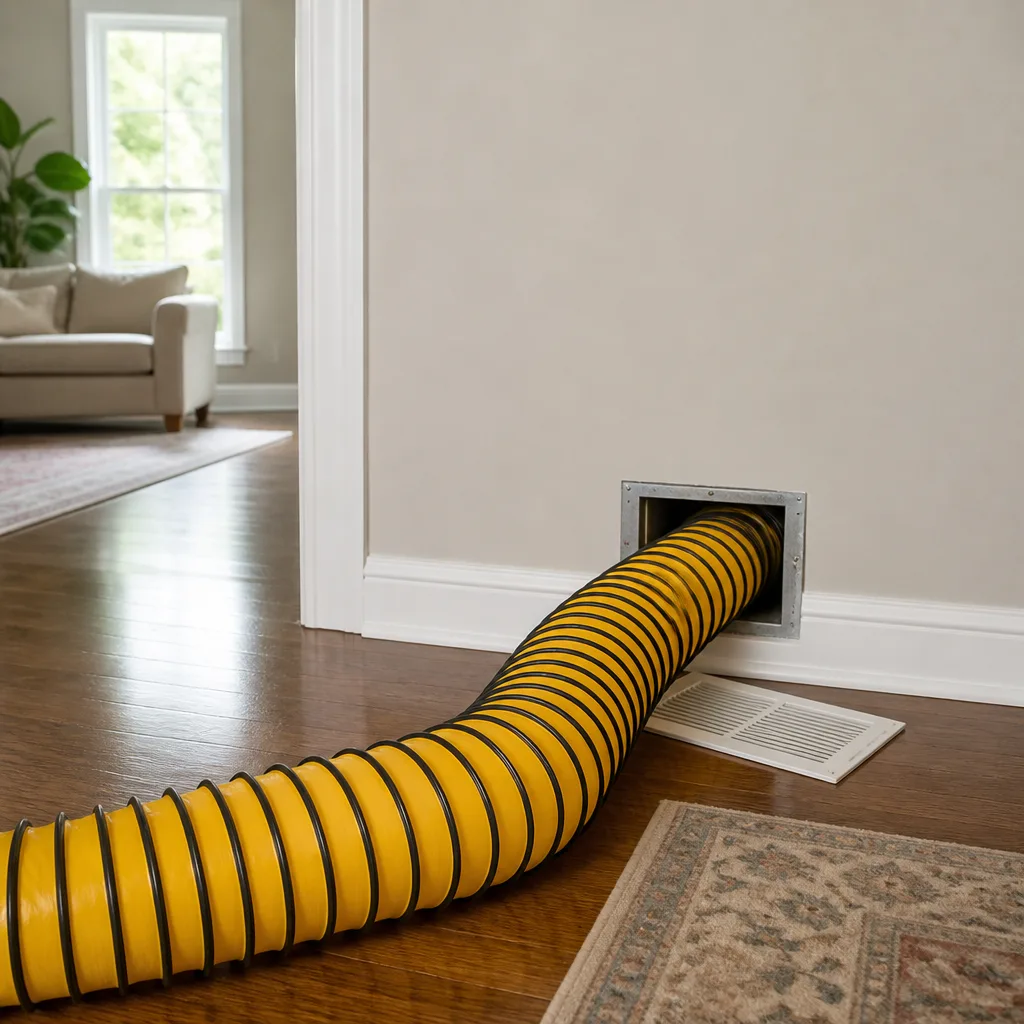 Whole-home duct cleaning
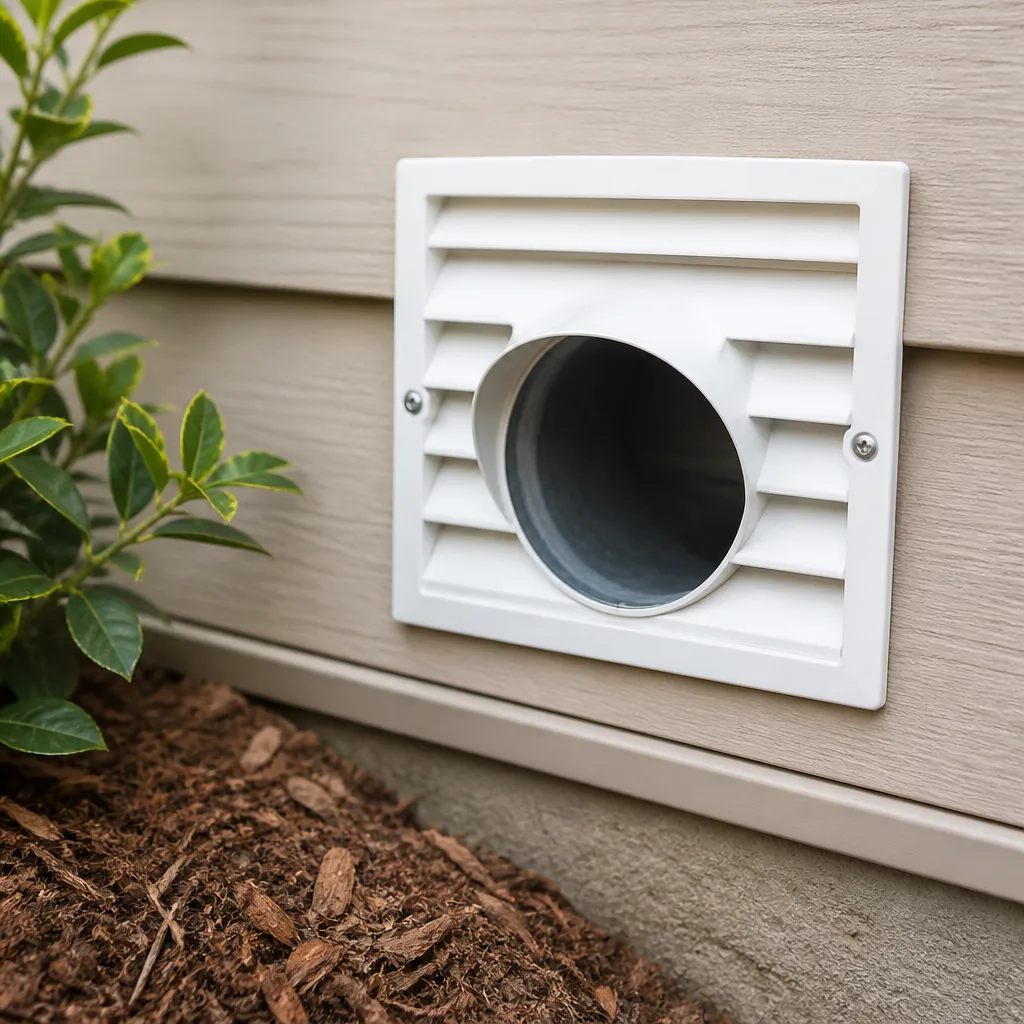 Dryer vent cleaning
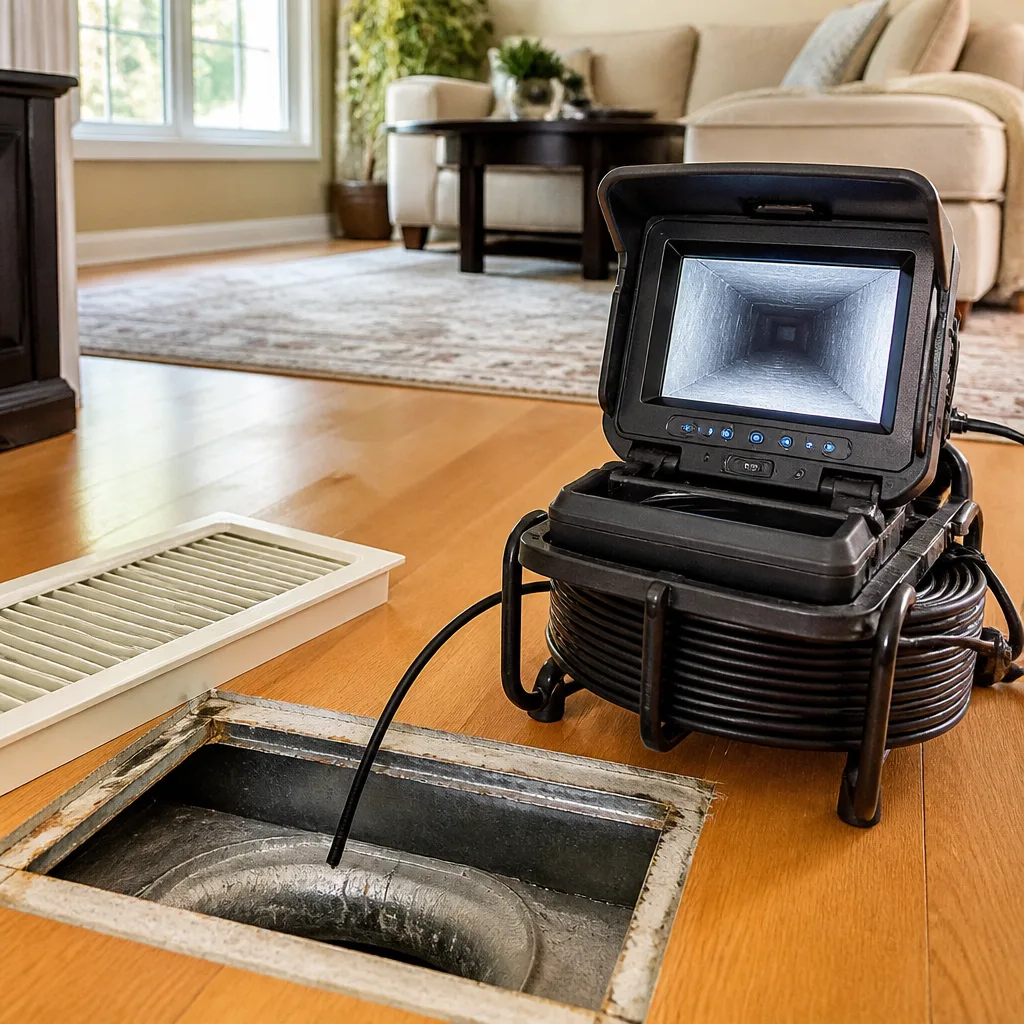 Camera inspection
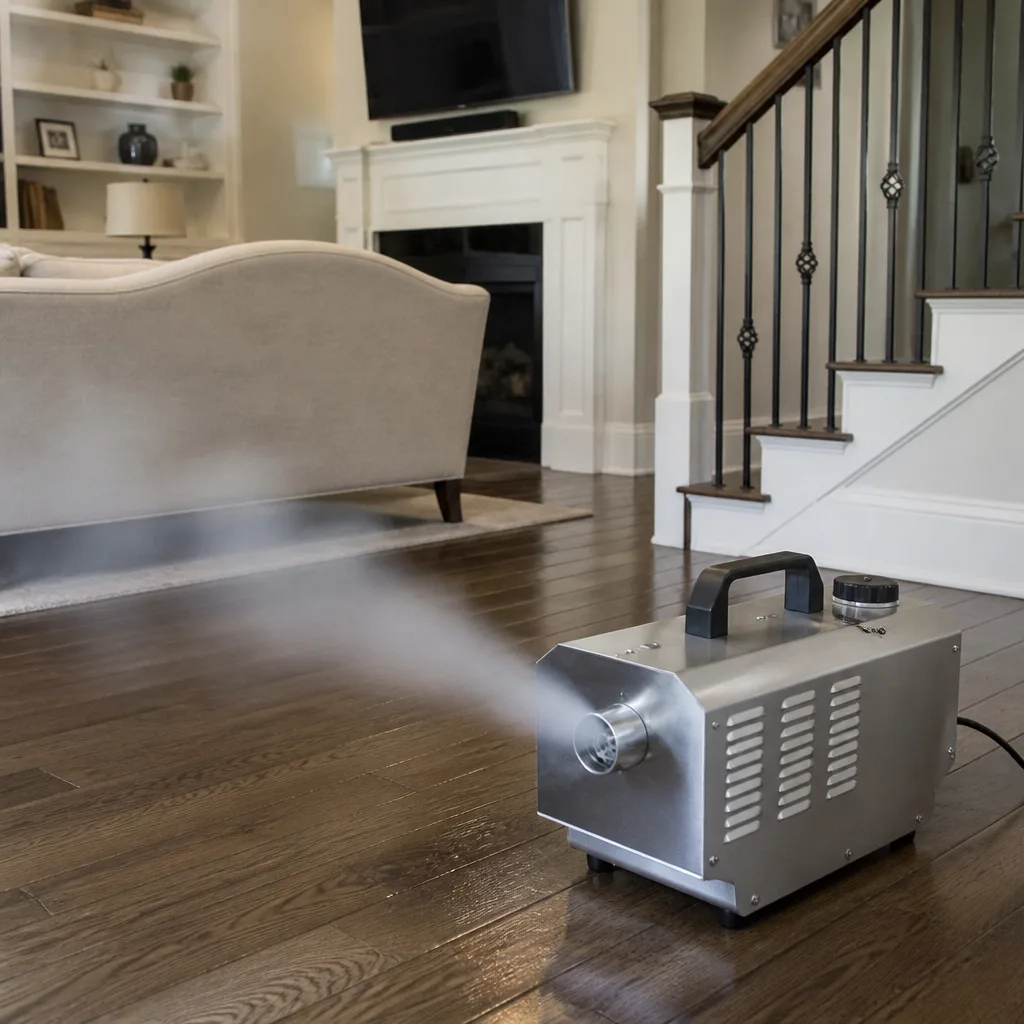 Sanitizing & deodorizing
Whole-system duct and dryer vent check with before-and-after photos - you see exactly what came out of your vents
That "$99 whole-house special" is a bait ad - the real number appears once they are in your hallway, or the "clean" is a shop-vac at the register. We photograph the inside of your ducts before and after instead.
Air Duct Cleaning Permits, Codes & Inspections in South Ozone Park, NY: What You Need to Know
Here’s the part most homeowners get backwards: the cleaning itself almost never needs a permit, but the repair that often comes after it might. A contractor who patches a collapsed flex duct or cuts in a new access panel without pulling the right paperwork can leave you holding the problem, not them. The moment you list a co-op or file a claim, that undocumented work becomes yours to explain. In this guide we walk through which duct services fall under New York City permitting, what NYC Mechanical Code Chapter 6 actually expects from a duct system, how energy code sealing differs from a cosmetic bead of caulk, and how to get documentation that holds up for a South Ozone Park sale or insurance review.
Quick Answer
Routine air duct cleaning, sanitizing, and dryer vent clearing in South Ozone Park generally do not require a NYC Department of Buildings permit. Repairs, replacements, and modifications to the duct system itself often do, because they touch the mechanical system covered under the New York City Mechanical Code. When in doubt, ask the contractor to state in writing whether the job is permit-exempt and why, then confirm that answer with the DOB before work starts.
Styles & brands we work with
- Whole-home duct cleaning
- Dryer vent cleaning
- Camera inspection
- Sanitizing & deodorizing
Table of Contents
- Which duct services need a permit and which don’t
- How NYC Mechanical Code Chapter 6 applies to your ducts
- Duct sealing under the NYC Energy Code versus cosmetic sealing
- What an inspector looks for during a duct-related inspection
- Getting documentation that satisfies co-op boards and buyers
- When remediation crosses into mold or asbestos territory
- Why South Ozone Park housing stock makes this matter
- A step-by-step process for a compliant duct project
Which duct services need a permit and which don’t
Cleaning is maintenance. Repair and modification are construction. That single distinction sits at the heart of nearly every permitting question we hear from South Ozone Park homeowners. Cleaning removes accumulated dust, debris, and microbial buildup from an existing system without changing how it’s built. Repair changes the physical system, and once you alter a mechanical component, the Department of Buildings wants a record of it.
Here’s the practical breakdown:
- Typically permit-exempt: Standard air duct cleaning, vent cleaning, sanitizing and deodorizing, dryer vent cleaning, HVAC coil and blower cleaning, and filter replacement.
- Often requires a permit: Replacing a section of rigid ductwork, rebuilding a plenum connection, installing new access panels where none existed, rerouting a duct run, changing duct sizing, and adding or removing supply or return registers.
- Frequently requires a permit and a licensed trade: Any work that ties into the mechanical equipment itself, such as modifying the air handler cabinet or changing how the system distributes air between rooms.
A common misconception is that a small repair is automatically exempt because it’s small. Size isn’t the trigger. What matters is whether the work alters the mechanical system. Patching a hole in flex duct with approved tape is usually a maintenance fix. Replacing that entire flex run is a different category. Ask the contractor which category the job falls into, in writing, before anyone cuts into drywall.
If a technician tells you no permit is ever needed for this type of work in New York City, that’s a signal to slow down. A reputable contractor will know the difference and will say so plainly. The air duct cleaning South Ozone Park page covers the cleaning side of the work in more depth, but the permitting question is better handled before the cleaning crew arrives, not after.
How NYC Mechanical Code Chapter 6 applies to your ducts
Chapter 6 of the New York City Mechanical Code governs duct systems: how they’re constructed, supported, sealed, and protected against fire spread. It’s the chapter an inspector reaches for when a duct-related job comes up for review, and it’s the reason a poorly executed repair can become a problem years later.
What the code cares about, in plain terms:
- Duct integrity. Ducts must be continuous and sealed at joints, seams, and connections. Gaps, disconnected runs, and crushed flex sections count against you.
- Support and clearance. Ducts need proper support and adequate clearance from combustibles. A sagging run isn’t just inefficient; it’s a code concern.
- Fire and smoke protection. Ducts that penetrate fire-rated assemblies must be protected appropriately. This is where unpermitted work becomes genuinely serious, because a fire separation that gets compromised during a repair may not be restored.
- Access. Duct systems need reasonable access for inspection and maintenance. An access panel installed without proper framing or sealing is an incomplete job.
An inspector reviewing a duct project is typically looking at whether the installation matches the submitted plans, whether materials are listed and labeled, whether sealing is complete, and whether any penetration into rated assemblies was handled correctly. In older Queens County buildings, they’re also alert to whether an original system was altered in ways that were never documented.
We’ve seen South Ozone Park homes where a prior owner added a run to a converted attic or basement workspace, and there’s no record of it anywhere. When a buyer’s inspector flags it, the current owner is the one answering questions. That’s not a cleaning problem. It’s a paper trail problem, and it’s much cheaper to resolve before a deal is on the table.
Duct sealing under the NYC Energy Code versus cosmetic sealing
There are two meanings of “duct sealing” in this trade, and they are not interchangeable. One is a legitimate, code-recognized improvement to the building’s energy performance. The other is a tube of mastic smeared over the worst gaps so a leak test looks better than it did.
The New York City Energy Conservation Code treats duct sealing as part of the building envelope’s performance, particularly for ducts located in unconditioned spaces such as attics, crawl spaces, and garages. Ducts running through those areas lose conditioned air and pull in unconditioned air, and sealing them properly reduces that loss. The energy code framework cares about sealed systems, and in some contexts that means verification of leakage rather than a visual glance.
What separates real sealing from cosmetic sealing:
- Scope: Real sealing addresses every joint, seam, boot, and connection in the affected run. Cosmetic sealing hits the ones you can see from the access panel.
- Materials: Duct mastic, approved tape, and proper mechanical fastening, not general-purpose tape that dries out and peels.
- Verification: A pressure or leakage test where the code requires one, not a technician’s word that it “feels tighter.”
- Documentation: Written notes on what was sealed, with photos, so there’s a record for the file.
The difference matters most in two situations. One is an energy audit or rebate-adjacent review, where unverified sealing doesn’t count. The other is a resale, where a buyer’s inspector finds a leak and the seller has to explain why a “sealed” duct is still leaking. Our duct repair and sealing work is documented with before-and-after photos for exactly this reason. Clean ducts start at the problem, not the surface, and the same applies to sealing.
If you’re also noticing that your clothes are taking longer to dry, the dryer vent cleaning page is worth a read. Dryer exhaust is a separate duct system with its own fire-safety concerns, and lint accumulation in exhaust runs is one of the leading causes of residential fires when ignored.
What an inspector looks for during a duct-related inspection
When a duct project is inspected, the building inspector isn’t checking whether your ducts are clean. They’re checking whether the installed system matches what was approved and meets the code. Knowing that difference helps you prepare and helps you ask your contractor the right questions.
Typical inspection checkpoints:
- Match to plans. The routing, sizing, and materials should correspond to what was submitted.
- Support and clearances. Strapping, hangers, and distances from combustibles are visible and correct.
- Sealing and connections. Joints are sealed, flexible duct connections are secure, and no runs are crushed or disconnected.
- Rated assembly protection. Any penetration through a fire-rated wall or floor is protected as required.
- Access and labeling. Access points are usable and materials are labeled.
- Equipment connections. Where the duct connects to the air handler, the connection is sound and the equipment is accessible.
Inspection timing matters. Most duct-related inspections happen after rough-in and before the system is closed up, which means the walls are still open. If a contractor finishes the job, patches drywall, and then tells you an inspection is needed, that’s backwards, and it usually means someone is trying to avoid one.
For South Ozone Park homeowners in two-family homes and converted layouts, the more common inspection issue isn’t a bad install. It’s an undocumented one. An added duct run for a basement apartment, a bedroom converted to an office with a new supply register, or a rerouted return that nobody recorded. When the system gets inspected for any reason, those undocumented changes surface. Getting them documented retroactively is possible but takes longer and costs more than doing it right the first time.
Getting documentation that satisfies co-op boards and buyers
In Queens County, paperwork is often the real deliverable. Co-op boards, managing agents, and home buyers all want to see that the work done to a unit was done properly and that there’s a record of it. A cleaning invoice with the word “ducts” on it is not that record. A proper work file is.
What a useful work file should contain:
- A written scope of work describing exactly what was cleaned, repaired, or sealed, room by room or run by run.
- Before-and-after photos of the ducts, vents, and any repaired sections, taken from the work itself.
- Material and product documentation for sealing materials, sanitizers, and any filtration products installed.
- The permit application number and inspection result if a permit was pulled, along with the sign-off.
- A statement of permit status for jobs that were determined to be exempt, so there’s a written record of the reasoning.
- Equipment used and a note on the method, which matters if a later inspection questions whether the work was thorough.
For a co-op board packet, the managing agent usually wants the scope, the photos, and the permit status. For a home sale, the buyer’s attorney wants the same thing. Providing it proactively shortens the conversation significantly.
One practical note: ask for the documentation before the crew leaves, not weeks later. Assembling a file after the fact is always harder. Any contractor who can’t provide a work file is telling you something about how they operate.
When remediation crosses into mold or asbestos territory
Cleaning a dirty duct and remediating a contaminated one are different jobs with different compliance requirements. Most residential duct cleaning in South Ozone Park stays in the first category. But when a system has visible microbial growth, water damage history, or building materials of a certain age, the work can cross into territory where additional rules apply.
Two situations worth flagging:
- Mold. If a system has substantial microbial growth, particularly after a leak or a persistently damp basement, remediation protocols become relevant. That means containment, negative pressure, and filtration equipment sized for the job, not a shop vac and a spray bottle. Our air quality and sanitizing work uses Abatement Technologies air filtration equipment to capture dislodged contaminants before they recirculate, and Guardsman products for the sanitizing step. In larger or more complex cases, an independent assessment may be warranted before any work begins.
- Asbestos. Older duct systems in this part of Queens can include materials that fall under asbestos regulations. If there’s any question about the age or composition of duct insulation, duct board, or the materials surrounding a duct run, the correct move is assessment before disturbance, not after. Don’t let anyone start cutting until that question is settled.
We treat these as assessment-first situations. If a job looks like it may cross into regulated territory, we say so and recommend the right next step rather than proceeding speculatively. That’s not a sales pitch; it’s the only way to keep the homeowner out of a liability they didn’t create.
The related work on the HVAC cleaning side often surfaces these issues first, because the system components show water history and buildup that duct runs alone can hide.
Why South Ozone Park housing stock makes this matter
South Ozone Park sits in a part of Queens where a lot of the housing was built and modified over decades, and many of the systems running through those homes reflect multiple rounds of changes. Two-family homes with a basement or attic converted for extra living space are common, and each conversion typically involved at least one duct addition. Sometime those additions were permitted. Often they weren’t.
Practical implications for local homeowners:
- Undocumented duct runs are the norm, not the exception. Before any repair work, it’s worth knowing what’s actually connected and whether any of it predates your ownership.
- Rigid and flex runs are often mixed. Older rigid sections joined to newer flex is common, and the joints are where leaks and failures concentrate.
- Damp basements and humid summers push moisture into systems. The New York City summer humidity combined with below-grade duct runs makes microbial growth a real consideration, not a theoretical one.
- Dryer vent runs in these homes can be long and indirect. Older layouts sometimes route dryer exhaust through awkward paths, and lint accumulates faster where runs are long.
None of this means every job needs a permit. It means the question deserves a real answer rather than a shrug. When we look at a system in South Ozone Park, we’re asking what’s been changed, when, and whether there’s a record. Cleaning is the easy part. Understanding the system is the work.
That’s also why we run our cleaning with professional-grade equipment from Rotobrush and Nikro rather than consumer tools. A rotary brush system and a proper negative-pressure setup reveal what the surface hides, and the same inspection that cleans the system also documents it.
A step-by-step process for a compliant duct project
If your project might involve repair, replacement, or modification, here’s the sequence that keeps you on the right side of the paperwork.
- Get the diagnosis in writing. The contractor should tell you what’s wrong, what needs to change, and whether the fix is a repair or maintenance. Get it on paper.
- Ask the permit question directly. “Does this job need a DOB permit?” A good answer explains why or why not. A bad answer is “it’s fine, don’t worry about it.”
- Confirm with the DOB if there’s any doubt. The Department of Buildings can tell you what category your work falls into. A quick call is cheaper than a flagged resale.
- Get the estimate in writing with the scope of work attached. The scope should match what a permit application would describe.
- If a permit is required, don’t let work start without it. This is the single most important step, and the one most often skipped.
- Keep access available for inspection. Don’t schedule drywall patching until the rough inspection is done.
- Collect the sign-off and the photo documentation. Put them in the file with the estimate and the invoice.
- Store the file where you’ll find it. A cloud folder is fine. It just needs to survive the next fifteen years.
Most of this is common sense once you’ve seen the failure mode. The people who get burned aren’t careless; they just didn’t know to ask. Now you do.
Common Mistakes to Avoid
- Assuming cleaning covers repair. A cleaning invoice doesn’t document a repaired duct. If repair work was done, get it separately documented, because a buyer’s inspector will ask.
- Letting a contractor talk you out of a permit. “It’s a small job” is not a legal category. The question is whether the mechanical system changed, not whether the job was small.
- Patching drywall before the inspection. If a permit was pulled, the inspection happens before the walls close. Patching early means reopening later, at your expense.
- Accepting cosmetic sealing as energy code sealing. A smeared bead of mastic isn’t verification. If the code requires a leakage test, ask for the result.
- Skipping documentation on an exempt job. Even a permit-exempt cleaning is worth a written work file. It’s the difference between a documented system and a guessing game for the next owner.
- Starting work on aging duct materials without assessment. In older South Ozone Park homes, some duct insulation and duct board can raise asbestos questions. Settle that before anyone cuts.
- Treating mold growth as a cleaning problem. Visible microbial growth in a system needs a remediation approach with proper containment and filtration, not a spray bottle.
See the difference
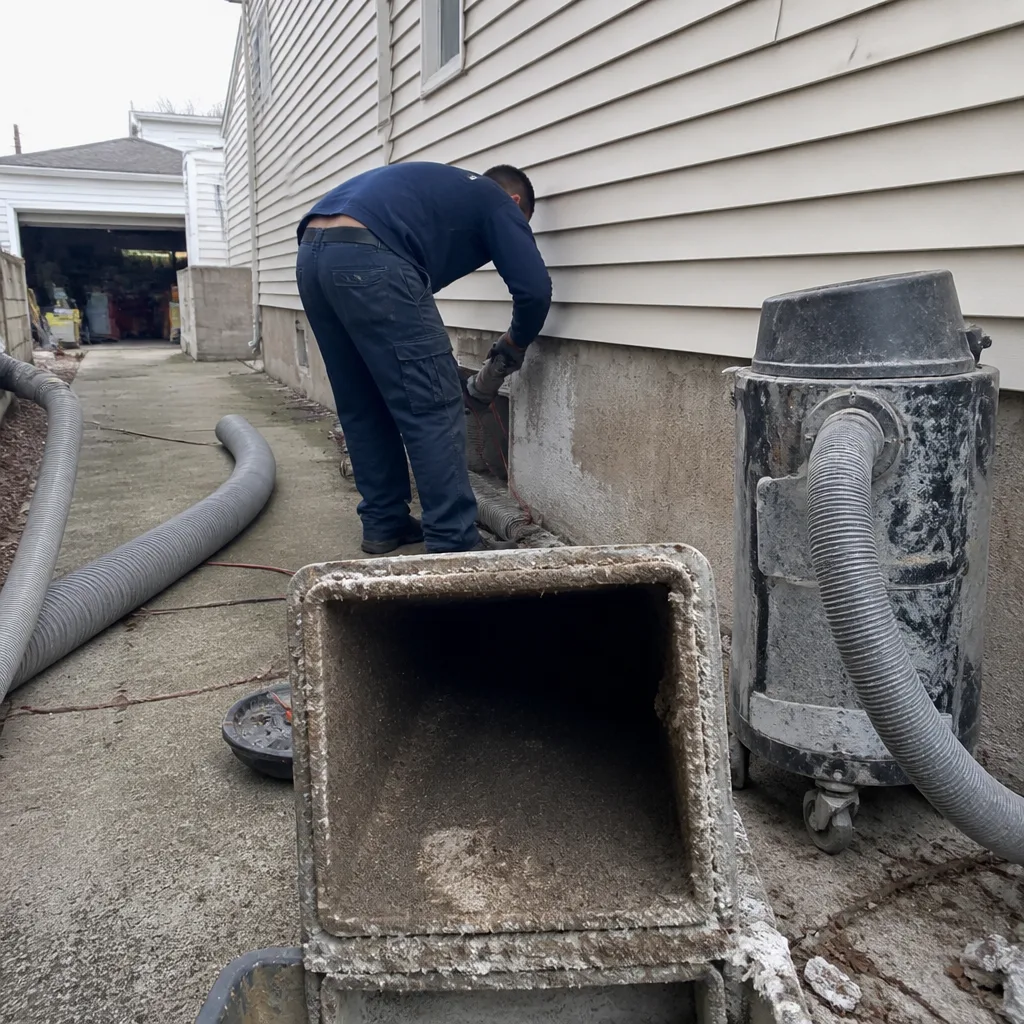 Before
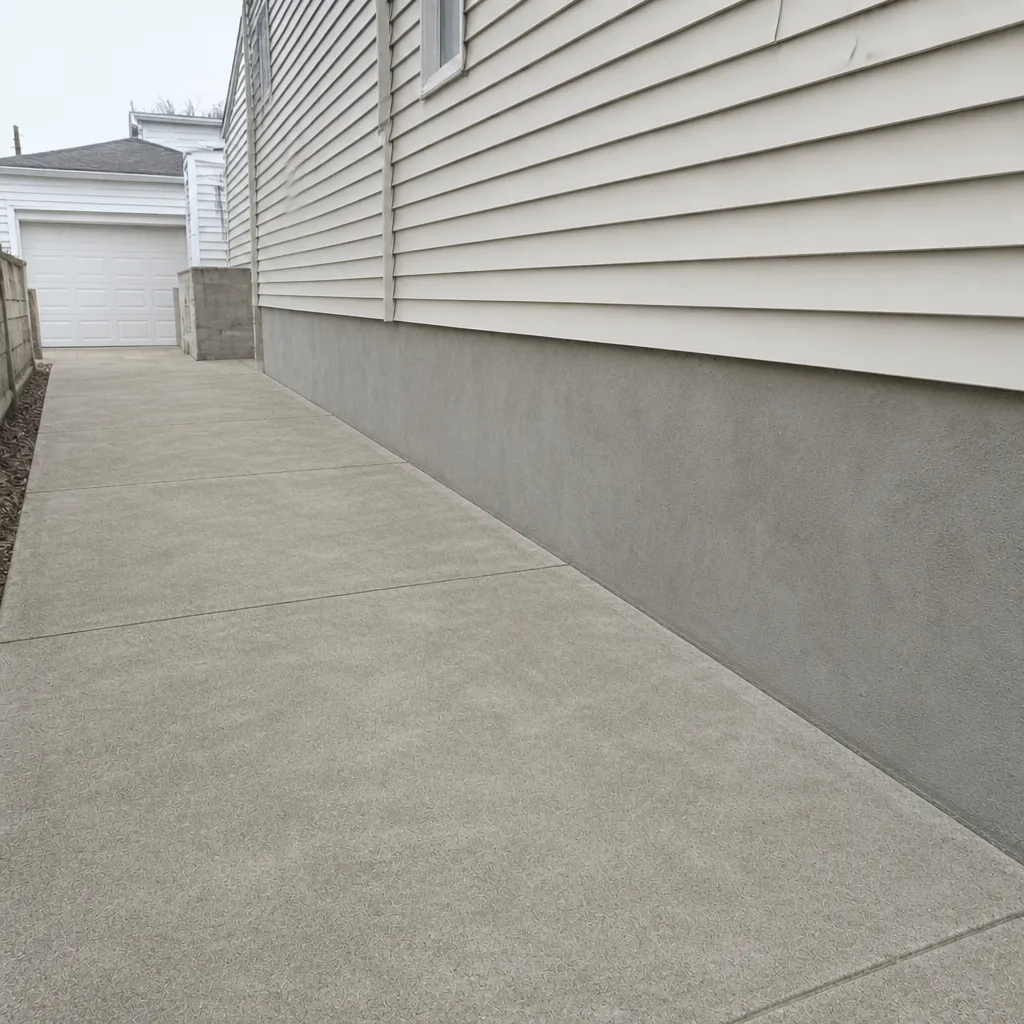 After
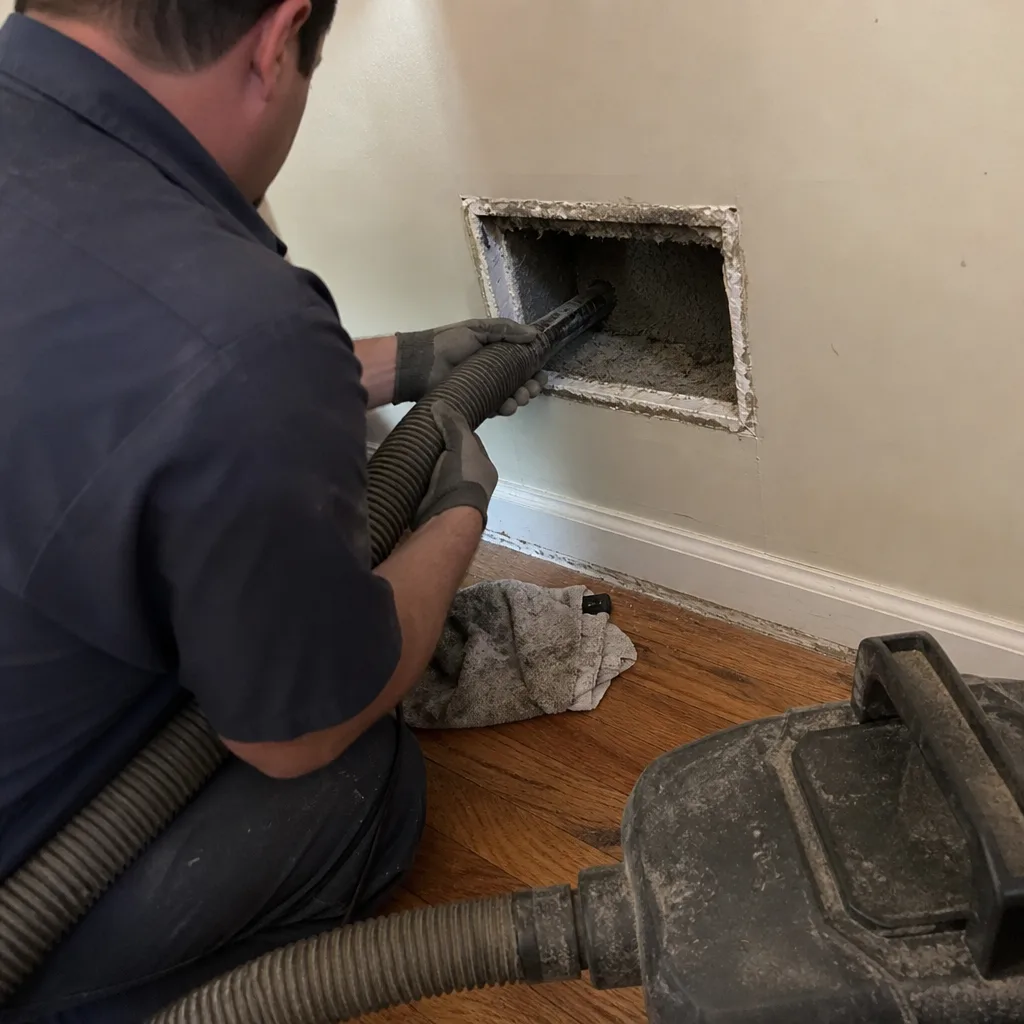 Before
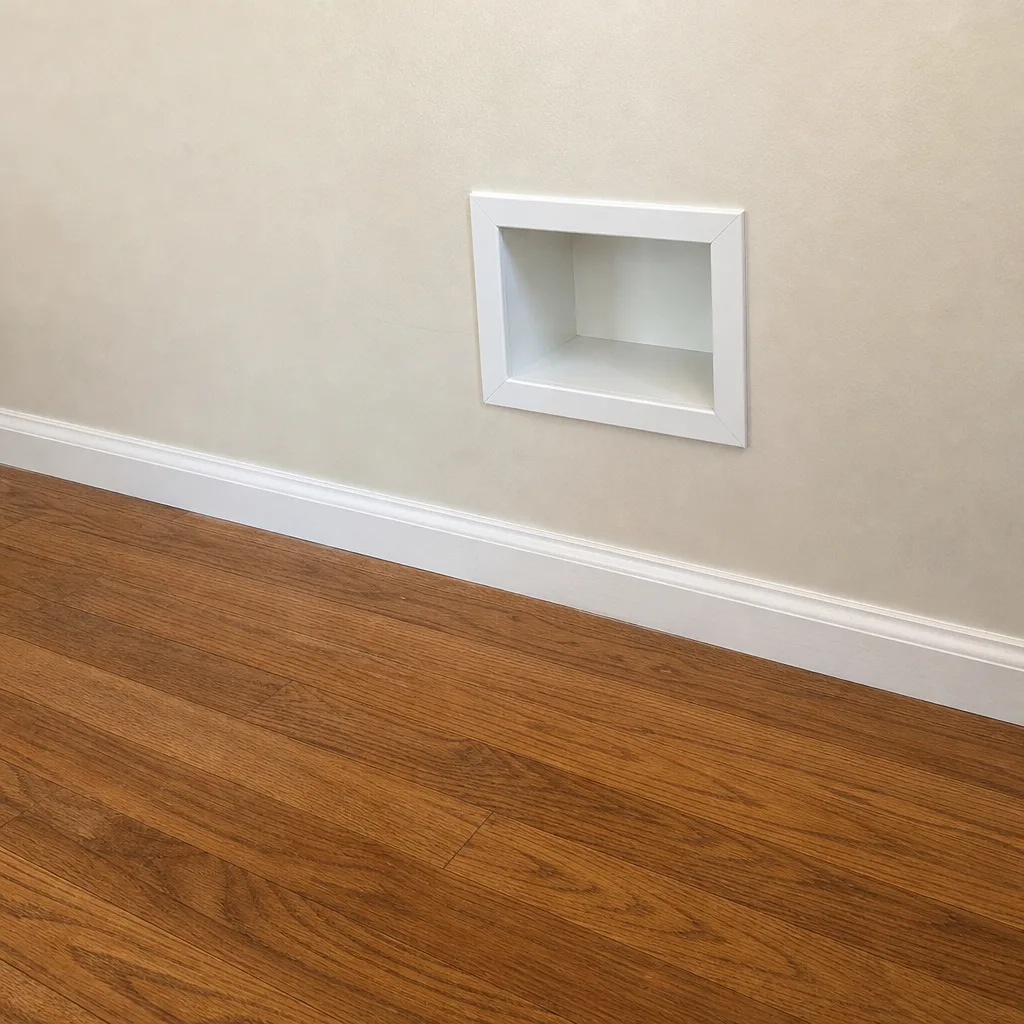 After
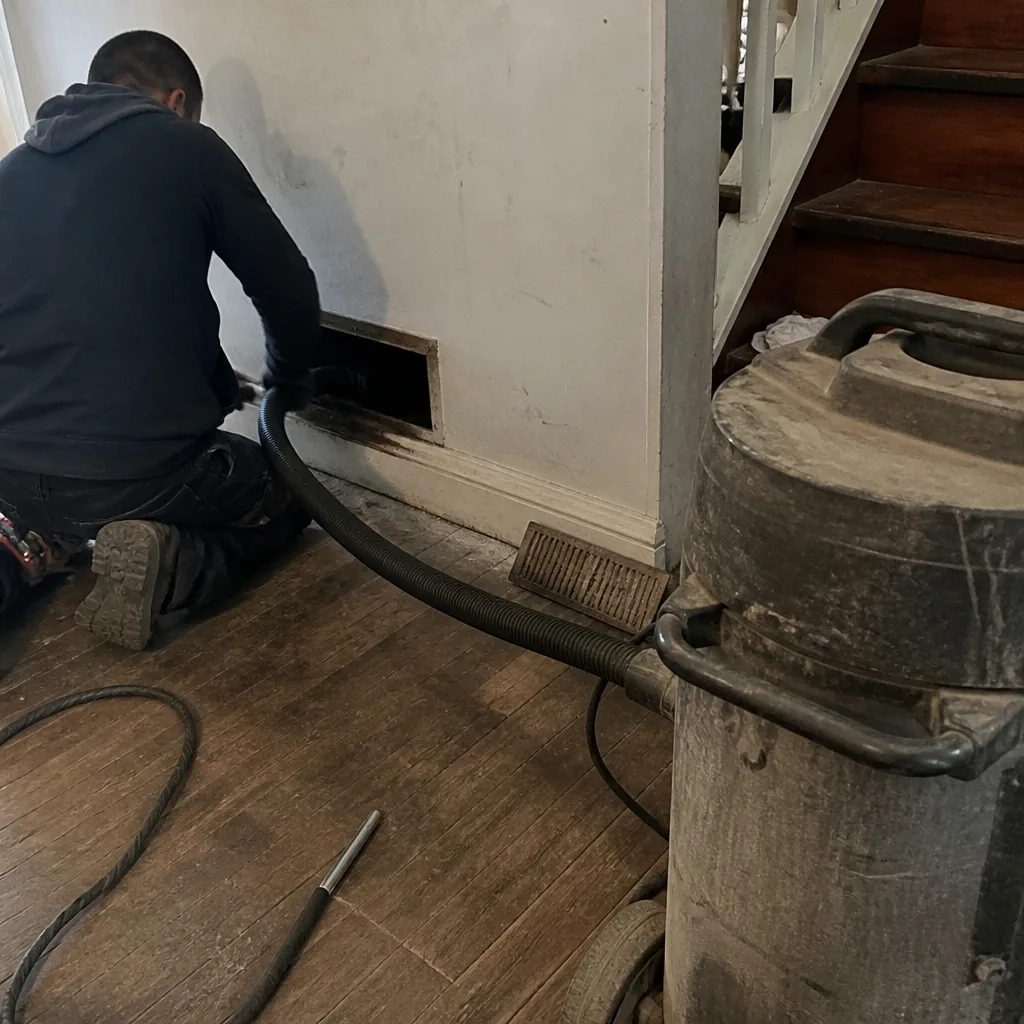 Before
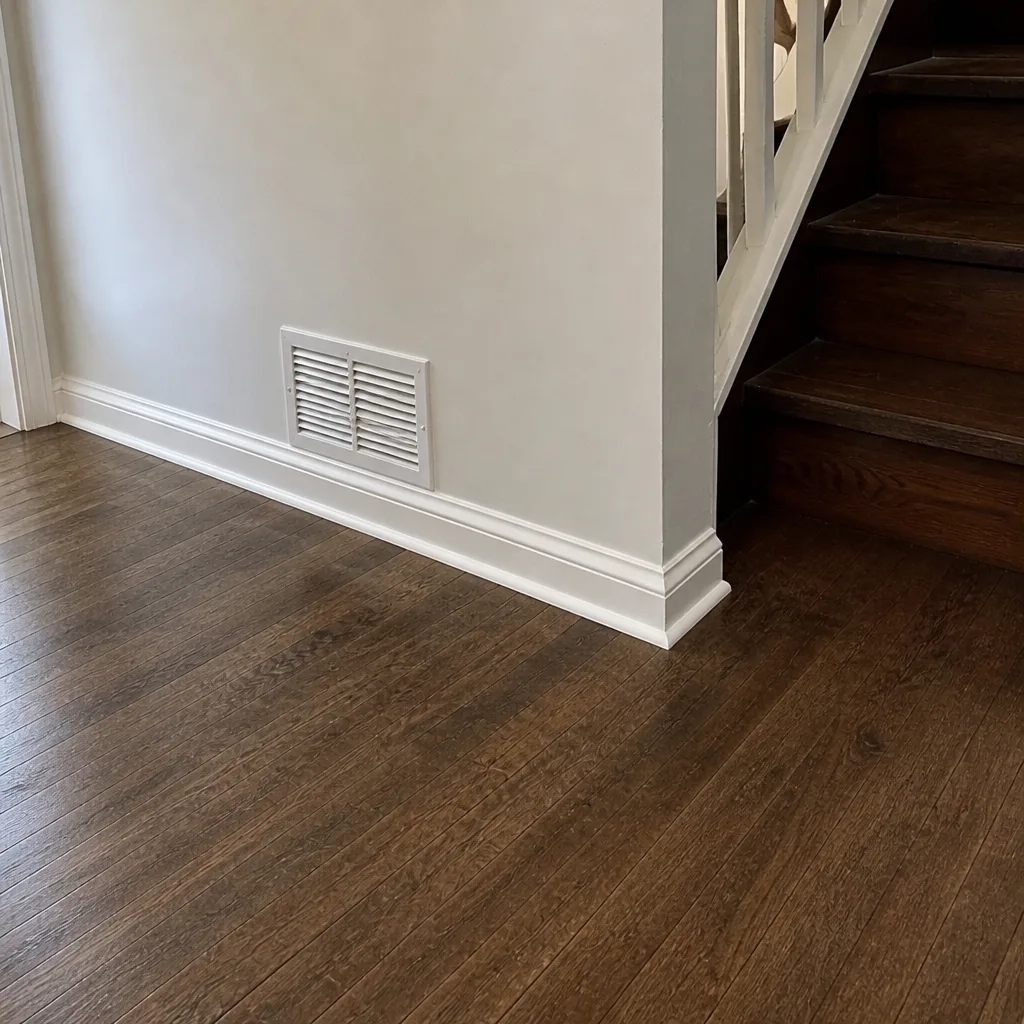 After
When to Call a Professional
Call a professional when the work involves more than routine cleaning: a collapsed or disconnected duct run, visible microbial growth, a system that’s been modified without documentation, or any repair that might require a permit. Call when you’re preparing to sell and want the system’s history sorted out beforehand rather than during negotiations. Call when aging materials in the system raise questions about what’s safe to disturb. And call when you want a documented work file, not just a cleaning invoice. Air Duct Cleaning South Ozone Park offers free estimates in South Ozone Park – call (833) 637-5806. We answer 24/7. Fast dispatch from 7am to 7pm, Sunday through Friday.
Frequently Asked Questions
No. Routine air duct cleaning, vent cleaning, and sanitizing in South Ozone Park are permit-exempt because they’re maintenance, not construction. The permit question only comes up when the work changes the duct system itself, such as replacing a run or adding an access panel. Call (833) 637-5806 for an exact quote – estimates are free.
Often, yes. Repair work that alters the duct system, replaces a section, reroutes a run, or adds access panels typically falls under the New York City Mechanical Code and may require a Department of Buildings permit. Whether your specific job does depends on the scope, so ask the contractor to state their determination in writing and confirm it with the DOB. Call (833) 637-5806 to talk through what your repair involves.
Energy code sealing addresses the full affected duct run with approved materials and, where required, verification of leakage. Cosmetic sealing covers the visible gaps so the system looks better than it is. The difference shows up during an inspection or an energy review, when verification matters. Call (833) 637-5806 for a sealing estimate that spells out the scope.
Ask for a written scope of work, before-and-after photos of the ducts and any repaired sections, product documentation for materials used, the permit number and inspection result if one was pulled, and a written statement of permit status for exempt jobs. Assemble that file before the crew leaves. Call (833) 637-5806 and we’ll walk you through what a complete work file looks like.
Pricing is set per job by a written estimate after we see the system, because a single-story home with short runs and a two-family with converted basement space are different jobs. We don’t quote per vent, and we don’t use teaser coupon pricing that turns into a larger invoice on site. Call (833) 637-5806 for an exact quote – estimates are free.
Cheap quotes usually reflect a smaller scope than the job needs: a surface pass, consumer-grade equipment, and no documentation. The low number becomes a much bigger invoice once the technician is on site and starts finding problems. We agree one flat price per system before work starts, and we photograph the ducts before and after so you can see what was done. Call (833) 637-5806 to get an honest scope.
It can, if the system contains aging materials that fall under asbestos regulations or has significant microbial growth. Those situations need assessment before work begins, not after. If a job in South Ozone Park looks like it may cross into regulated territory, we say so and recommend the right next step instead of proceeding. Call (833) 637-5806 to discuss your system.
The Bottom Line
Most duct cleaning in South Ozone Park is permit-exempt maintenance. Repair, replacement, and modification are a different category and often need a DOB permit under the NYC Mechanical Code. The paperwork is the part homeowners underestimate; undocumented work becomes your liability the moment you sell or file a claim. Keep a written work file, ask the permit question before work starts, and don’t accept cosmetic sealing as code-compliant sealing. Our technicians have up to 9 years of experience with systems across this part of Queens, and we document the work so you’re never the one explaining it later.
If you’d like a straight answer about your own system, call Air Duct Cleaning South Ozone Park at (833) 637-5806 for a free estimate. We answer 24/7. Fast dispatch from 7am to 7pm, Sunday through Friday. One flat price per system, agreed before work starts, with before-and-after photos of your own ducts.
Written by the team at Air Duct Cleaning South Ozone Park.