
Last updated November 22, 2026
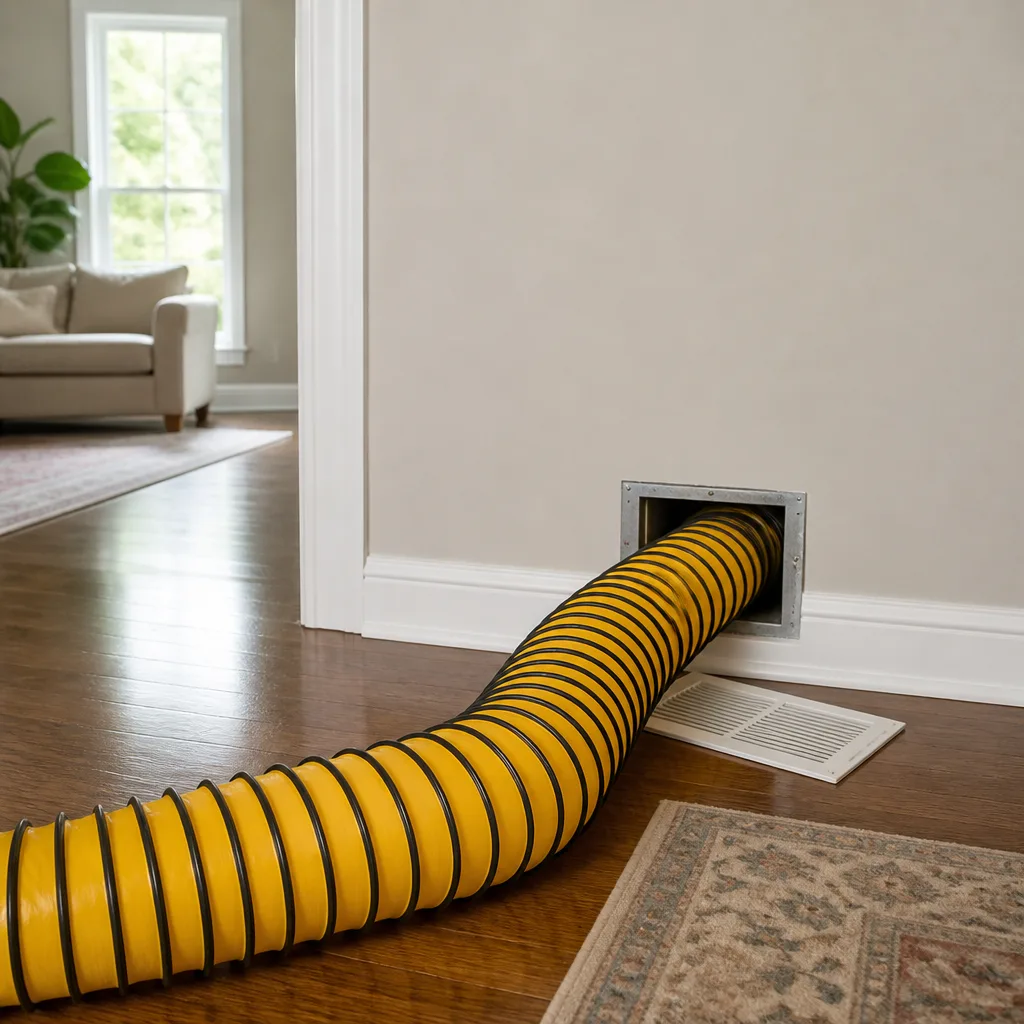 Whole-home duct cleaning
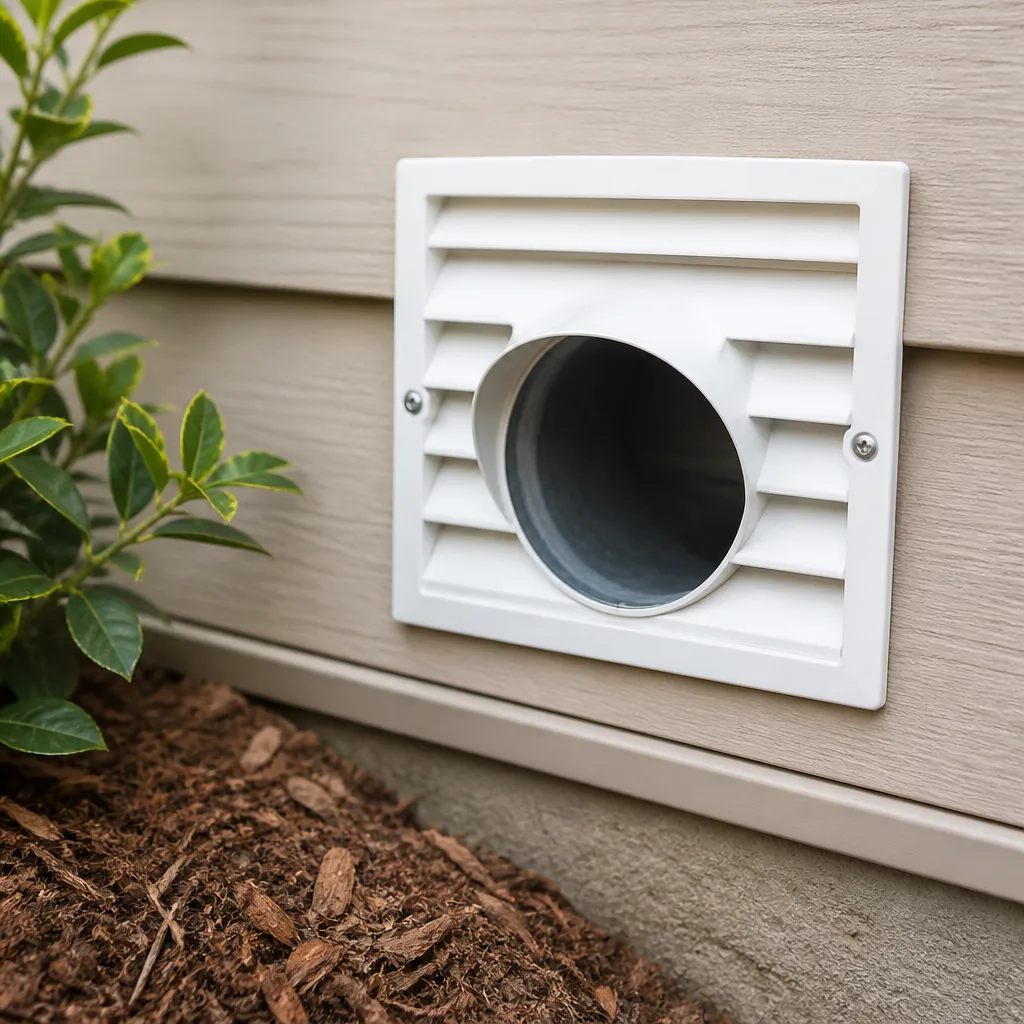 Dryer vent cleaning
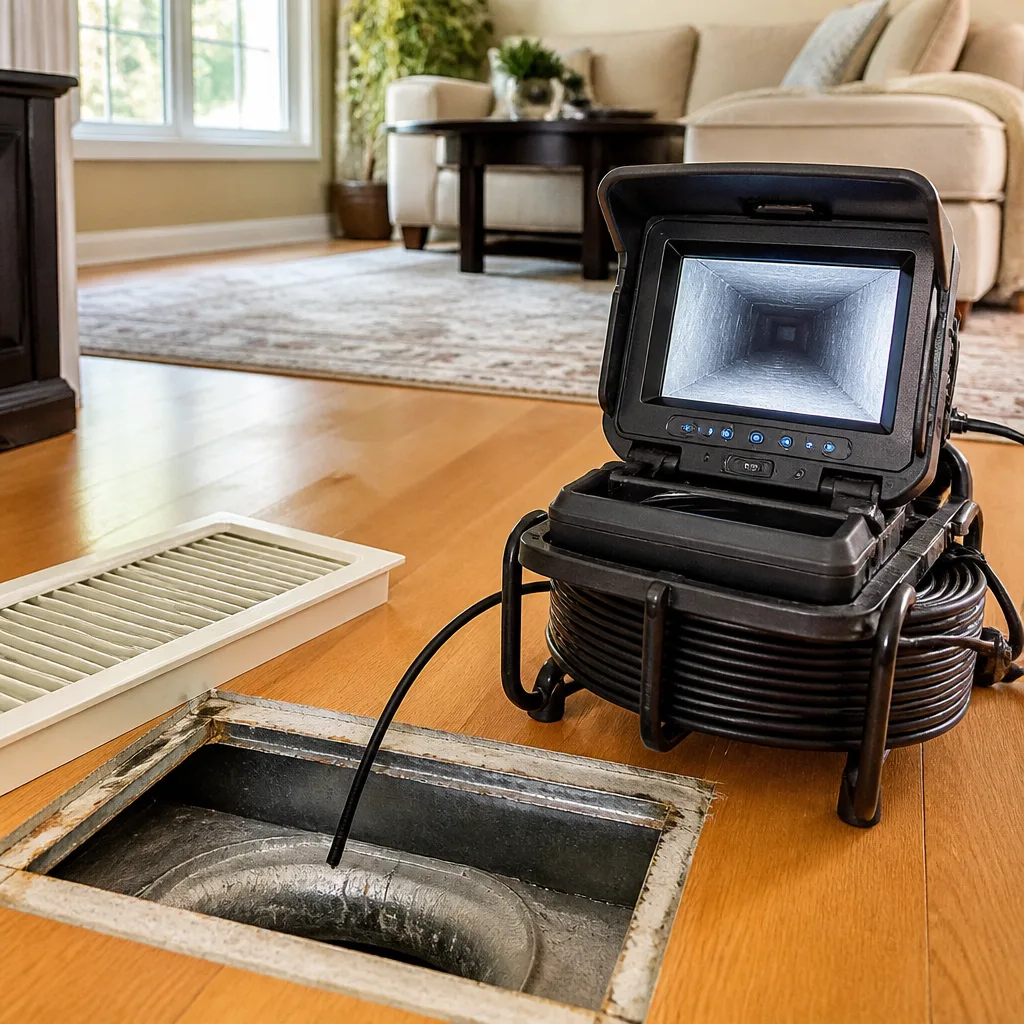 Camera inspection
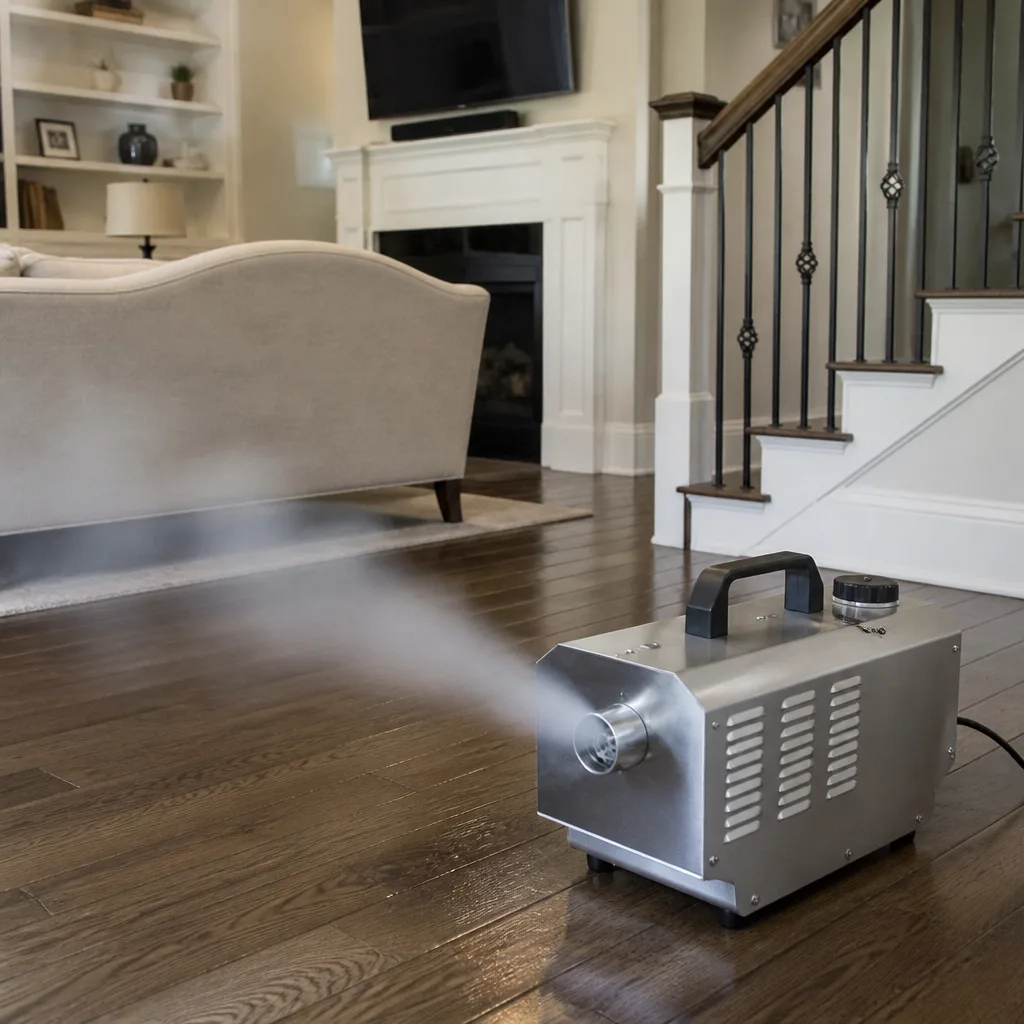 Sanitizing & deodorizing
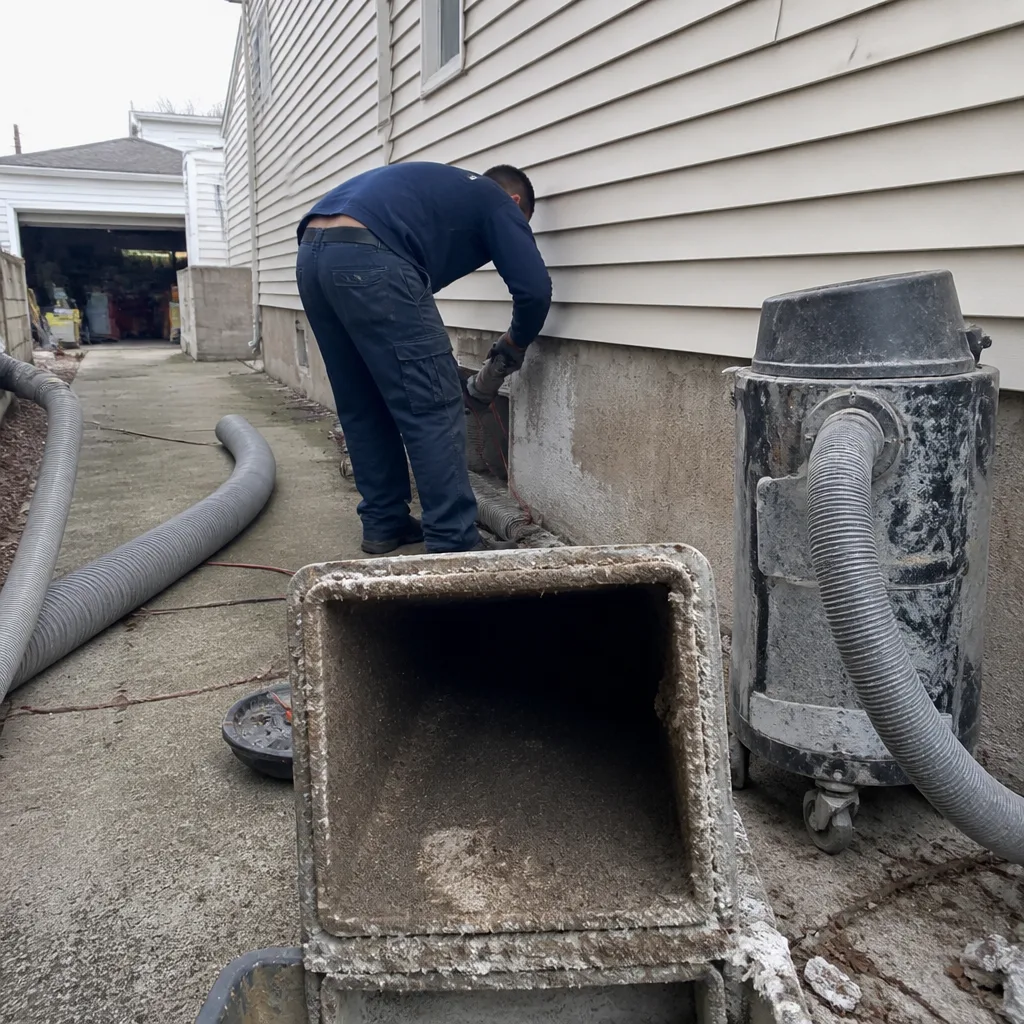
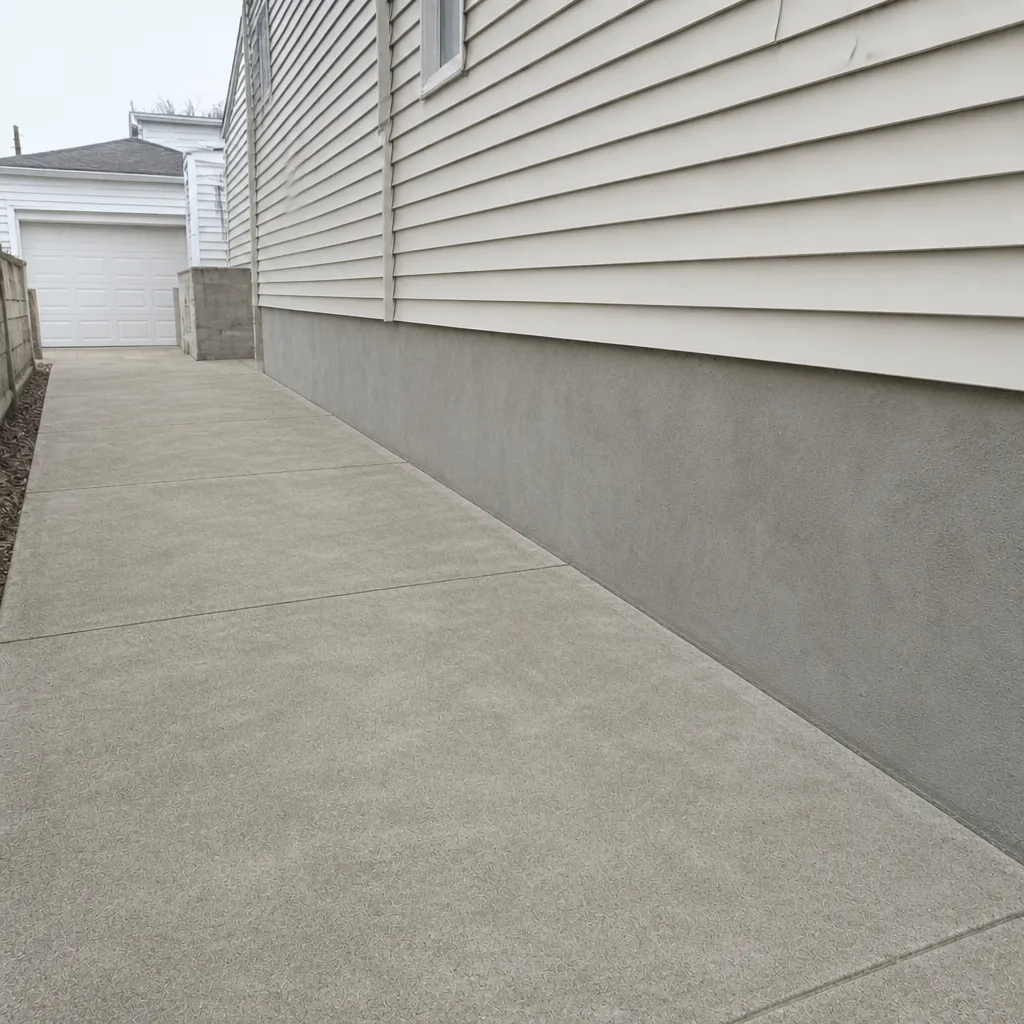
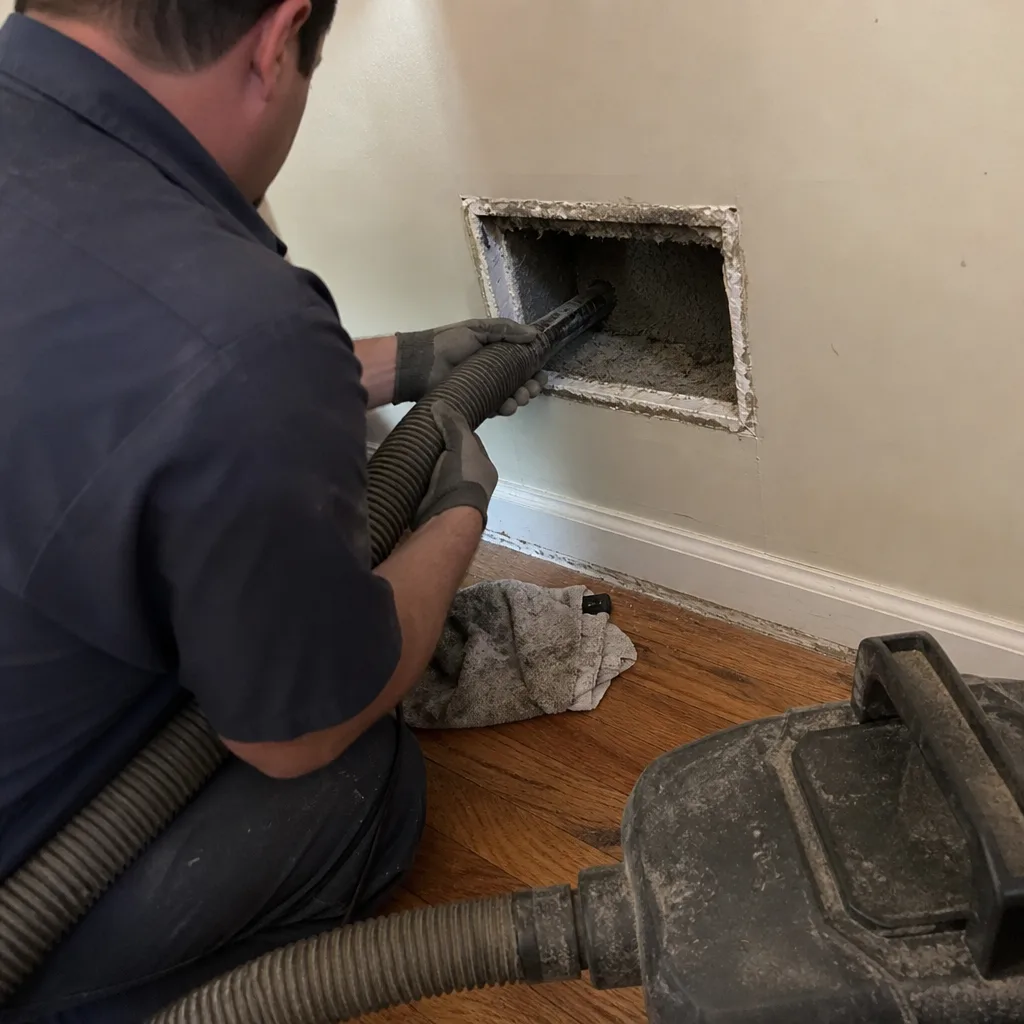
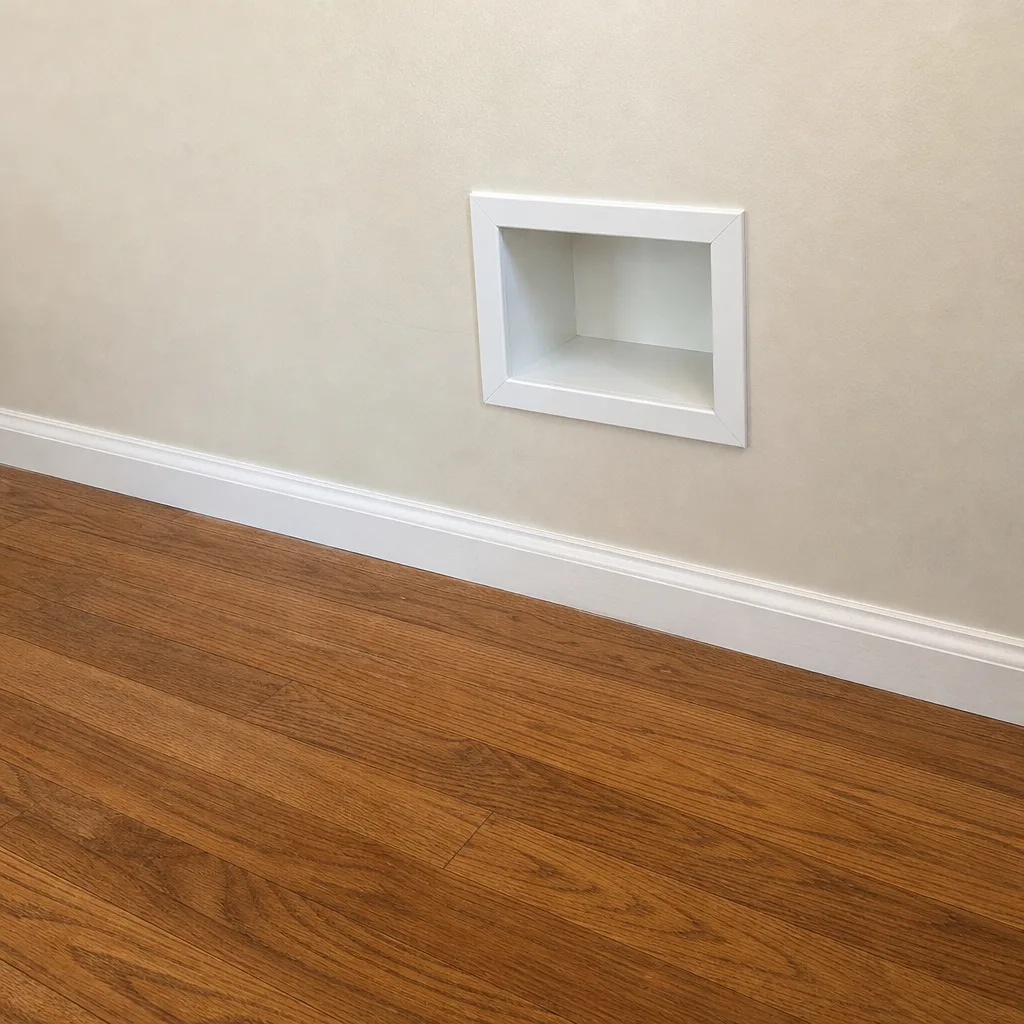
Whole-system duct and dryer vent check with before-and-after photos - you see exactly what came out of your vents
That "$99 whole-house special" is a bait ad - the real number appears once they are in your hallway, or the "clean" is a shop-vac at the register. We photograph the inside of your ducts before and after instead.
Choosing the Right Air Duct Cleaning Brand: A Buyer’s Guide for South Ozone Park
Asking a duct cleaner “what equipment do you use” and getting a vague answer isn’t a minor concern. It’s the clearest signal that the contractor doesn’t distinguish between job types, which means they can’t optimize for yours. Most homeowners in South Ozone Park shop this service by price alone, then wonder why the results feel thin. The real variable isn’t the coupon, it’s the machinery and the judgment behind it. In this guide, we break down how the three main professional duct systems work, when each one earns its place on a job, and how to ask a South Ozone Park contractor the questions that separate a real assessment from a sales pitch.
Quick Answer
Choosing the right air duct cleaning brand means matching the equipment system to the specific problem, not picking the cheapest quote. Rotobrush handles brush-and-vacuum agitation best for lined residential ducts, Nikro negative air machines are the standard of care for larger or heavily contaminated systems, and Abatement Technologies filtration is what you want when mold, smoke, or post-flood contamination is in play. A contractor who names the system they’ll deploy and explains why is the one worth hiring.
Styles & brands we work with
- Whole-home duct cleaning
- Dryer vent cleaning
- Camera inspection
- Sanitizing & deodorizing
Table of Contents
- Why Equipment Brand Is a Buying Signal, Not a Marketing Detail
- Rotobrush: Brush-and-Vacuum Action for Lined Duct Systems
- Nikro: Negative Air Machines and the Standard of Care
- Abatement Technologies: Filtration for Remediation, Not Routine Cleaning
- Head-to-Head: Matching the System to the Job
- How to Interview a South Ozone Park Duct Cleaner
- What Makes South Ozone Park Jobs Different
- Common Mistakes to Avoid
- When to Call a Professional
Why Equipment Brand Is a Buying Signal, Not a Marketing Detail
Duct cleaning has a reputation problem, and the equipment is where it starts. A shop vac and a drill-mounted brush can technically move dust around inside a duct. What they can’t do is capture dislodged contaminants before they recirculate into the room. That’s the gap between a service call and a real cleaning. The brands a contractor invests in tell you which one you’re getting.
Professional-grade equipment isn’t cheap, and it isn’t interchangeable. Rotobrush systems are engineered for residential duct interiors with simultaneous agitation and extraction. Nikro builds negative air machines meant to hold a space under pressure so loosened debris moves toward a HEPA-filtered capture point instead of into your living room. Abatement Technologies manufactures air filtration equipment used in remediation settings where contaminants are the known problem, not a suspicion. Each of those systems exists because a specific class of job demanded it.
In our experience working on duct systems across South Ozone Park, the contractors who can name their equipment and explain the choice are also the ones who diagnose before they quote. When a company avoids the equipment question, it usually means one of two things: they don’t own the right systems, or they’ve never thought about which job needs which one. Neither is a good sign when the work is inside the air pathway of your home.
Here’s the practical takeaway. Ask two questions of every brand you consider: which system will you deploy on my job, and why that one. A confident, specific answer names the equipment and ties it to a condition they’ve observed in your system. A deflection (“we use the best available”) tells you the assessment is generic.
Rotobrush: Brush-and-Vacuum Action for Lined Duct Systems
Rotobrush is the name most homeowners in South Ozone Park will hear first, and for good reason. The system is built around simultaneous brush agitation and vacuum extraction, meaning the rotating brush loosens dust from the duct wall while high-velocity suction pulls it toward a collection point in the same pass. That dual action is what makes it effective on the flexible, internally lined ductwork that fills most of the residential housing here.
The key difference from contact-vacuum-only systems is what’s happening at the duct wall. A contact vacuum relies on the suction head alone to lift what it can reach. Rotobrush’s brush actively dislodges the layer of dust that has bonded to the duct surface, which suction alone struggles to move. On lined duct, that bond is often the reason a “clean” system still smells musty weeks later.
Rotobrush is the right choice in these situations:
- Standard residential systems with flexible or lined duct runs where the contamination is dry dust and debris.
- Routine maintenance cleaning where the goal is removing accumulated dust without disturbing the structure of the duct lining.
- Systems with visible dust at the registers that suggests contamination is being pushed back into the living space.
- Homes where the duct work hasn’t been thoroughly agitated in years and the dirt has bonded to the interior walls.
Where Rotobrush is not the answer: heavily contaminated systems with microbial growth, smoke residue, or moisture history. Brush agitation on that kind of job can aerosolize contaminants faster than the vacuum can capture them. That’s when the request moves to a negative air setup, which we cover next. A professional assessment should tell you which situation you’re in before any tool comes out of the vehicle.
Nikro: Negative Air Machines and the Standard of Care
Nikro makes the negative air machines and HEPA filtration units that commercial HVAC contractors use, and they’re standard equipment on any job where the contamination load is high enough that airborne recirculation is a real concern. The concept is simple: pull a slight negative pressure on the space being cleaned, so loosened dust moves toward the filter instead of out into the room. On a small, lightly soiled residential system, that level of containment can be more than the job needs. On a larger home, a commercial property, or a system that’s been neglected for years, it’s the standard of care.
Where Nikro setups earn their place:
- Larger residential systems with long duct runs and multiple zones, where a single brush unit can’t keep up with containment.
- Commercial and multi-unit properties where occupants are present during the work and airflow control matters.
- Systems with heavy dust loading that will release a large volume of particulate during agitation.
- Jobs where air quality sensitivity exists, such as households with asthma or allergies, because containment removes the risk of the cleaning itself triggering symptoms.
This is where the buyer’s question gets sharpened. If a South Ozone Park contractor proposes a Nikro negative air setup on a typical single-family home, ask why. There may be a good reason (heavy contamination, allergy-sensitive occupants, larger system). If they propose it and can’t explain the reason, you’re paying for overkill. The reverse is worse: a contractor proposing a simple vacuum-only job on a system that clearly needs containment is either guessing or cutting costs at your air quality’s expense.
When we assess a duct system, matching the containment level to the actual contamination load is the first decision. It’s also the one most likely to be skipped by companies that own only one type of system.
Abatement Technologies: Filtration for Remediation, Not Routine Cleaning
Abatement Technologies builds air filtration and negative pressure equipment used primarily in remediation environments: mold, smoke, post-flood, and other situations where the contamination is known to be biological or chemical rather than just dust. That distinction matters because remediation work is a different job. The question shifts from “how do we remove dust” to “how do we capture contaminants that shouldn’t be airborne at all.”
Abatement filtration is the right call when:
- Microbial growth has been identified or suspected in the duct system, often after a moisture event or chronic humidity.
- Smoke residue from a fire has migrated into the ductwork and needs to be captured and removed, not stirred.
- Post-flood remediation is underway and the duct system needs to be cleared before the space is closed up again.
- Renovation dust from drywall, plaster, or sanding has entered the system and needs remediation-grade capture.
This is not equipment for a routine maintenance cleaning, and any honest contractor will tell you so. The mistake buyers make is assuming the heaviest equipment is always better. If your system is a normal residential duct run with standard dust accumulation, Abatement filtration is expensive overkill. If you’ve had water damage or a fire in the home, routine cleaning with a brush system is the wrong tool for the job and can make the contamination situation worse by releasing what should have stayed contained.
South Ozone Park’s older housing stock has basements and crawl spaces that see moisture, and the borough’s humid summers keep that risk alive. If you’ve had water in the basement or a roof leak that reached the duct runs, ask specifically which filtration system the contractor will deploy. “Abatement” or “HEPA negative air” are the answers that signal the assessment was done correctly. “Rotobrush” on a remediation job is a red flag.
Head-to-Head: Matching the System to the Job
Here’s where the three systems compare directly. Use this as a decision reference when you’re talking to a contractor, and to spot when the proposed equipment doesn’t match the condition they described.
- Routine residential cleaning, dry dust, lined ducts: Rotobrush. Brush agitation plus simultaneous extraction is engineered precisely for this. Standard of care for most South Ozone Park single-family homes.
- Larger systems, multi-zone homes, commercial: Nikro negative air machine, often paired with brush agitation. Containment is what makes the job defensible when the system is big or the contamination is heavy.
- Allergy-sensitive households: Nikro negative air, always. The whole point of containment is that loosened dust doesn’t reach the people in the room.
- Post-fire, post-flood, or identified mold: Abatement Technologies filtration. This is remediation, not maintenance, and the equipment should reflect that.
- Renovation dust: Abatement or high-containment Nikro setup. Drywall and plaster dust in a duct system behave like a contaminant, not like house dust.
- Dryer vent cleaning: A dedicated vent tool, not the duct system equipment. Lint is highly flammable and this is a fire-safety service, not an air quality one. Our dryer vent cleaning work is handled separately for this reason.
- Duct repair and sealing: No vacuum system fixes a leak. When duct work has come apart or the seals have failed, cleaning alone won’t hold the improvement. This is a separate scope, which is why our HVAC cleaning assessments often flag sealing needs before cleaning proceeds.
Read that list back and you’ll notice a pattern. The right equipment follows from a real diagnosis. A contractor who runs one system on every job, regardless of the condition, is either limited by their equipment or hasn’t bothered to assess. Neither is worth your money in South Ozone Park.
How to Interview a South Ozone Park Duct Cleaner
The interview is where the decision gets made. You don’t need to know the equipment technically; you need to hear an answer that ties the equipment to what’s actually happening in your home. Here are the questions to ask, in order, and what a good answer looks like.
- “What systems do you own?” A confident answer names Rotobrush, Nikro, or Abatement Technologies and can describe which does what. A vague answer (“professional equipment”) tells you the company either doesn’t own professional systems or doesn’t know why it matters.
- “What did you see in my system that tells you which one to use?” The answer should reference something specific: contamination level at the registers, system size, moisture history, occupant sensitivities. If the answer is generic, the assessment is generic.
- “Will you use containment during the cleaning?” Any job above the lightest dust load should involve negative air or HEPA filtration running during the work. This is how the contaminants get captured rather than recirculated.
- “What are you seeing at the duct seams?” A professional assessment includes checking for leaks and disconnected duct sections. If they haven’t looked at the seams, they’re cleaning a leaky system, which doesn’t improve efficiency or air quality the way cleaning a sealed system does.
- “Can I see before-and-after photos of my own system?” This is the single most reliable verification. Photos of your ducts, before and after, taken during the work. If the company can’t provide that, you have no way to know the work was actually done thoroughly.
- “What does the written estimate cover?” A real estimate names the service scope and the price for the whole system, agreed before work starts. Per-vent pricing and teaser coupons are the pattern to walk away from.
- “Is the technician licensed and insured as the state requires?” This question is worth asking because the local professional performing the work needs to be, and you want to hear the answer without hesitation.
For a broader view of what full-system cleaning actually includes, see our air duct cleaning service breakdown. The interview questions above are aimed at getting you past the marketing and into the specifics.
What Makes South Ozone Park Jobs Different
South Ozone Park sits near the flight path of JFK Airport, and the ambient dust load here carries more than the typical residential mix. Aircraft soot, road dust from the Van Wyck and Rockaway Boulevard corridors, and the general particulate from dense urban housing all make their way into duct systems over time. Most of the housing here is older, which means duct systems that were installed decades before any of the current filtration standards, often with flexible or partially lined runs that have accumulated more than a newer system would.
Those two factors shape which equipment fits a typical job:
- Older flexible duct responds well to brush agitation (Rotobrush) because the interior surface tends to hold dust rather than release it to suction alone.
- Higher ambient particulate from the airport and local road traffic means routine cleaning intervals matter more here than in areas with cleaner intake air.
- Basement and below-grade duct runs in the older housing stock carry more moisture history, which raises the odds that a job calls for Abatement-level filtration rather than routine cleaning.
- Mixed housing types, from single-family homes to multi-unit properties, mean the Nikro negative air setup becomes relevant more often on the larger properties.
This is also a good place to note the dryer vent point specifically. Lint accumulation is the leading cause of residential dryer fires in the trade, and in a neighborhood where dryers run year-round and ducts often route through older construction, the vent line deserves as much attention as the HVAC ducts. It’s included as a dedicated service because it’s a different job with a different risk profile, not because it’s a bundle upsell.
When a South Ozone Park contractor shows up, ask whether they’ve factored in the age and type of the duct work here. A brand that runs a generic “clean all ducts in 90 minutes” script on a 70-year-old system isn’t assessing, they’re processing. Our Air Duct Cleaning South Ozone Park service page outlines what a proper assessment includes.
Common Mistakes to Avoid
- Choosing on price alone. The cheapest quote in South Ozone Park is almost always the one that can’t afford to own the right equipment. You’ll pay for a service call and get a surface pass that doesn’t address the actual condition of the system.
- Accepting vague equipment answers. “We use professional equipment” is a deflection. If the company can’t name Rotobrush, Nikro, or Abatement Technologies and explain the difference, the assessment behind the quote is not technical.
- Bundling dryer vent cleaning as a throw-in. Lint in a dryer vent is a fire risk. It deserves a dedicated service, not a checkbox on a combo quote. If it’s being treated as a free add-on, it’s probably not being done thoroughly.
- Skipping containment on older homes. Every South Ozone Park property with a basement or below-grade duct run should have HEPA filtration or negative air running during cleaning. If the contractor doesn’t bring it, they’re releasing dust into the house.
- Assuming cleaning is the whole job. A duct system with disconnected seams, failed seals, or visible leaks doesn’t improve much from cleaning. Repair and sealing are what hold the improvement, and a brand that can’t do those isn’t offering a full solution.
- Believing a “clean” smell. Deodorizing spray address is not cleaning. If a contractor’s solution is a fragrance rather than a brush and a vacuum, they’re masking the problem, not solving it. Sanitizing products from Guardsman or Abatement Technologies are used alongside the real cleaning, not in place of it.
- Not asking for photos. Before-and-after photos of your own ducts are the one verification that doesn’t rely on trusting the contractor’s word. If they can’t or won’t provide them, you have no evidence the work happened.
When to Call a Professional
Some duct problems are obvious and some aren’t. The clear calls: visible dust blowing from registers when the HVAC runs, a musty smell that returns after every cleaning, a dryer that takes two cycles to dry a normal load, or a recent renovation that left drywall dust in the system. The less obvious ones: allergy symptoms that worsen when the heat or AC comes on, energy bills creeping up without a rate change, or duct seams you can visibly see have come apart in the basement. If you’ve had water intrusion anywhere near the duct runs, that’s also a call: moisture in a duct system is a microbial problem, not just a cleaning one.
Air Duct Cleaning South Ozone Park offers free estimates in South Ozone Park – call (833) 637-5806. We answer 24/7. Fast dispatch from 7am to 7pm, Sunday through Friday.
See the difference
 Before
 After
 Before
 After
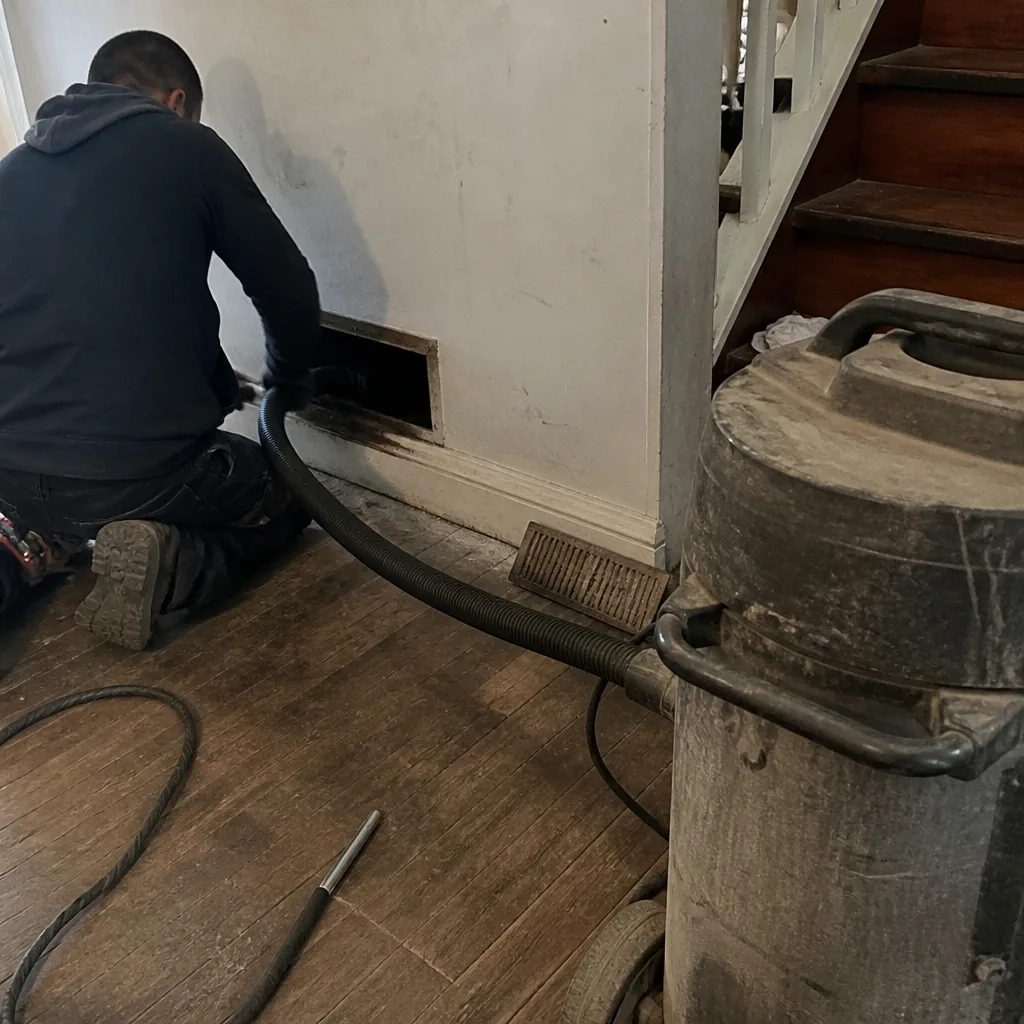 Before
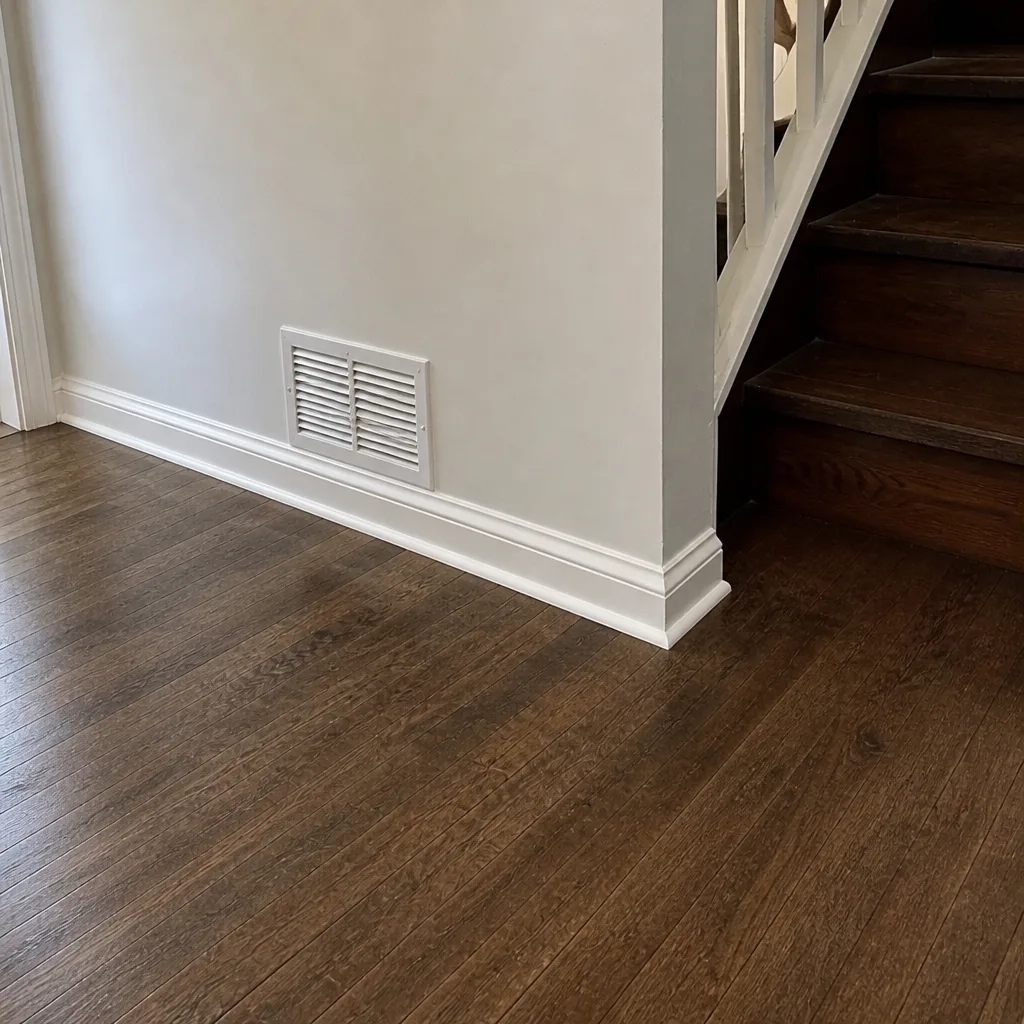 After
Frequently Asked Questions
Rotobrush is typically the right choice for a standard South Ozone Park single-family home with flexible or lined duct work and routine dust accumulation, because its simultaneous brush-and-vacuum action handles bonded dust better than suction alone. For larger or heavily contaminated systems, Nikro negative air machines are the standard of care. For remediation situations like mold, smoke, or post-flood, Abatement Technologies filtration is the answer. The right brand follows the diagnosis. Call (833) 637-5806 for a free estimate and an assessment of which system fits your home.
Cheap quotes usually reflect the equipment the contractor doesn’t own. A shop vac and a drill-mounted brush cost a fraction of a Rotobrush or Nikro setup, but they can’t capture dislodged dust before it recirculates into the room. The lower number buys a surface pass, not a full cleaning. When we quote a South Ozone Park job, the price is for the whole system, agreed in writing before work starts, with no per-vent pricing and no teaser coupon. Call (833) 637-5806 and we’ll give you an exact scope and price.
Ask for before-and-after photos of your own ducts, taken during the work. That’s the only verification that doesn’t rely on trusting the contractor’s word. A professional assessment also includes a look at the duct seams for leaks and disconnected sections, which should be reported back to you. If a contractor won’t provide photos, or doesn’t look at the seams, you have no way to judge the work. Our free estimate includes a full assessment. Call (833) 637-5806 to book it.
Most homes here benefit from a thorough cleaning every few years, and the interval matters more in South Ozone Park than in lower-particulate areas because of the airport and road dust load. Homes with pets, recent renovations, or allergy-sensitive occupants may need it sooner. Dryer vent cleaning is a separate and shorter interval, because lint accumulates faster than duct dust and carries a fire risk. The right answer is based on your system, not a fixed calendar. Call (833) 637-5806 for a free assessment.
No, cleaning and repair are separate services. A vacuum system removes contamination but doesn’t address duct seams that have come apart, failed connections, or visible leaks. On a duct system with structural problems, cleaning alone produces a modest improvement that doesn’t hold. Repair and sealing are what make the improvement stick. We can assess both during the same visit and give you a written scope for each. Call (833) 637-5806 for a free estimate.
It’s a separate service, and it should be, because it’s a different job with a different risk profile. Lint in a dryer vent is a leading cause of residential dryer fires when neglected, and cleaning it requires dedicated vent tools rather than the duct equipment used on the HVAC system. Bundling it as a free add-on usually means it isn’t being done thoroughly. We treat it as its own dedicated service. Call (833) 637-5806 to schedule both.
The Bottom Line
The buyer’s question in South Ozone Park isn’t which brand is best; it’s which system is right for your system. Rotobrush handles routine residential cleaning and lined duct work. Nikro negative air setups are the standard of care for larger or heavily contaminated systems, and for allergy-sensitive homes. Abatement Technologies filtration is what remediation jobs call for. A contractor who can name their equipment, explain why they chose it for your specific duct system, and show you before-and-after photos of your own ducts has done the assessment that separates a real service call from a sales visit. The cheapest quote rarely is one.
Contact
If you’d like a professional assessment of your duct system from a South Ozone Park team that runs Rotobrush, Nikro, and Abatement Technologies equipment, call (833) 637-5806 for a free estimate. We answer 24/7. Fast dispatch from 7am to 7pm, Sunday through Friday. Every job gets a written scope and one flat price for the whole system agreed before work starts, plus before-and-after photos of your own ducts. A full assessment identifies which system your home actually needs, along with any duct repair and sealing work that should happen first.
Written by the team at Air Duct Cleaning South Ozone Park.